Tag: Marketing Strategy

  • How you can leverage the Facebook family of apps for your business?

    How you can leverage the Facebook family of apps for your business?

    The connection between great ideas and clients has never been shorter. There is significantly more fluidity in the global market than it was two decades ago. We now encounter new business models, and technological advancement forming a new economic paradigm– The Fourth Industrial Revolution. The Fourth Industrial Revolution has profound implications on how we do business, and on how we use and create a consumer base driven by communication and connectivity. What this means is small Businesses and established enterprises have a level playing feed due to the democratization of access to marketing tools. 


    In this blog, we cover all of the best tools, resources, and features that can help you grow your game into the future. We emphasize how you can leverage the Facebook family of apps for your businesses. 


    Why you want your business to be in the Facebook family of apps? 

    Here are some mind-boggling statistics for your consideration. There are around 7.7 billion people on earth, out of which 3.8 billion people have access to the internet. 2.7 billion use some Facebook family of apps(referred to FFA). That’s more than 70% of the population!


    Businesses use these massive outreach platforms to connect with and inspire customers through marketing and brand awareness. When your business has its information on FFA, it can use its audience to expand into the community and become a part of it. In this way, businesses can be a better part of the community through new marketing tools that will make a much better and more successful presence in your community and the surrounding areas of social media.


    Facebook has made it very simple for small businesses to engage with their customers and extend their networks. To promote your brand on FFA, you can use apps like Facebook(100 million business pages), Instagram(200 million Instagram users visit at least one business profile daily)  & WhatsApp (50 million business profiles) These incredible advertising mega giants are the perfect way to boost your SEO and increase traffic to your website.  This is powerful because it helps you identify your customers – those who are interested in your products and in your service – show up on your page.


    What can you do to establish your business presence to nearly 3 billion people?

    – Discover, Consider, Transact, Engage 


    Here are some of the brilliant types of paid advertisements you can use to uplift and place your brand among its followers. Facebook offers advertising revenue to your business at a rate of around 18% of sales.


    Facebook- The world’s largest photo-sharing community.


    1. Post Engagement Facebook Ads-  Drive Engagement( likes comments & shares) to a defined audience.
    2. Video Facebook Ads– Educate, inspire, or entertain your audience about your product or service. 
    3. Carousel Facebook  Ads-  Product demos, product highlights, promotion announcement, testimonials, storytelling
    4. Lead Generation Facebook Ads-  Newsletter sign-ups, demo requests, job applications, or event registration.
    5. Collection Facebook Ads- Mini online store, multi-product display, Instant experience
    6. Slideshow Facebook Ads-  USP optimization, product options, demo products
    7. Event Response Facebook Ads- Increase attendee registration, sell tickets, or boost brand awareness.

    Facebook is the king of social sharing and messaging.


    Instagram– Capture and share the world’s moment

    1. Stories Instagram Ads- Dominate the viewer’s screen, minimizing distractions, and catch people in a highly personal space
    2. Photo Instagram Ads- Oldest Ad format, Deal vouchers, competitions, events, and landing page links.
    3. Video Instagram Ads-  Brand awareness and promote content like webinars or courses, traditional product ads, offers, and walkthroughs
    4. Instagram Carousel Ads- unique story,  aspects of a single product or service, synchronized & unified brand series
    5. Collection Instagram Ads-  eCommerce, product discoverability, clone audience
    6. Explore Instagram Ads- New audiences, brand awareness, high engagement

    Instagram is a fun, visual, friendly, and highly social platform 


    Create the most influential social campaigns with Technocratiq Digital.


    Whatsapp– WhatsApp is a great retail place, especially during remote times. Even if you are not going to build a WhatsApp chatbot, there are many great tools for your business in WhatsApp for Business. 

    • Business Profile- A business profile gives the company a familiar “face” and identity. 
    • Quick Replies- Save and reuse messages for FAQs
    •  Automatic Greeting Message- Introduce a company to a new potential customer with no delays and waiting time. 
    • Automatic Away Message-send a custom message to people who are trying to connect the company after your working hours
    • Contacts Labels- organize your contacts and categorize them with labels for easy access.
    • Message Statistics- access vital metrics like how many of your messages were sent, delivered, and read.
    • Catalogs- Showcase your goods so people could easily browse and check out products
    • Interactive Business Message- CTA: by clicking this button, the user would be redirected to a particular webpage or make a call, Quick reply: allows users to answer with the predefined options without having to type in the answer manually
    • Facebook Shops Integration-Linking your WhatsApp Business account to your Facebook shop gives you the option to have customers who visit your shop send you a message through the WhatsApp Business app.
    • WhatsApp Payments in India-To send money on WhatsApp in the country, it’s important to have a bank account and debit card in India

    Facebook’s family of apps(FFA) lets you harness the power of synchronized connectivity. 

    Facebook is expanding, adding new features that make it easier for everyone to connect, make and share content, and have it available on FFA. In fact, Facebook’s apps offer an extraordinary, flexible array of ways to make people-focused connections.  With Facebook, you can quickly build relationships with other people, share photos, videos, messages and stories, and stay in touch with your community. 


    What are the benefits of integrating Facebook services into your business website:

    Facebook is unique in the way the platform is so deeply integrated with third-party technology. This makes it extremely easy to integrate Facebook web 2.0 features into your website or blog.


    Here are 5 Facebook-specific plugins and features that you should use for WordPress

    1. Social Snap
    2. WP Social comments
    3. Shared counts
    4. RafflePress
    5. Pixel Cat

    Facebook advertising will significantly increase your conversion rate by attracting potential new customers to your business.


    Learn more about how Technocratiq Digital can assist you with Facebook’s new business applications today- now that we’re moving deeper into the Facebook Platform to help organizations move more and do more better. Join thousands of businesses that are already reaching millions of consumers through Facebook. 

  • The Secrets to Marketing in the Gaming Industry in 2021 | TIQ

    The Secrets to Marketing in the Gaming Industry in 2021 | TIQ

    The gaming industry is on the rise and gamers come from every corner of life, irrespective of their age group and location. The gaming sector has been largely considered as a playground for dreamers and is not confined to a certain group of people anymore.

    Today there are many types of games, ranging from online to digital downloads, games for free, augmented reality (AR), artificial intelligence (AI), and mobile games.

    Structured Global Marketing of these games is a challenge that the gaming industry is finding difficult to overcome. The number of users is growing on various platforms every day and the endless choice of games and the constant need to distinguish themselves from other games has become essential.

    The gaming industry is considered to be one of the most exciting industries in tech because of its importance to culture, entertainment, and innovation. PC, console and mobile gaming companies are using the latest in tech to bring their games to the screens of more than two billion people all over the globe. The biggest challenge now is how the gaming industry can maximize brand visibility?

    SEO in Gaming Industry 

    With a new generation of interactive games making their mark on the players, gaming sites and apps have become one of the primary sources of entertainment worldwide. With the expansion of the gaming industry, SEO for gaming sites has seen a surge in demand.

    With so many different genres of games, different system requirements, and many more elements, it is imperative to determine the type of gaming site as the first step. Different niches of gaming require different approaches to SEO.

    Gaming sites majorly consist of gaming-related content like portals, gaming blogs, rulebooks, tips & tricks, and many more things that set the stage for SEO. The online gaming community is very particular about the gaming content they want to access, and this process helps in capturing the right target audience for your gaming site or gaming app.

    The general principles of SEO also apply to gaming sites. This is to improve the quantity and quality of traffic on your website through organic results. Focusing on unique content, knowing what drives your users, and integrating specific keywords are all important strategies.

    Get a Free Analysis – Search Engine Optimization for Higher Ranking & More Traffic

    3  Major Marketing Challenges the Gaming Industry  Faces

    Understanding where the problem lies is one of the best ways forward. In order to create a marketing strategy, you need to understand some of the prevailing challenges. Here are some of the major challenges to take note of –

     1. Convenience over scale and size  

    Game developers go through a lot to deliver just the right amount of design features to match their pricing. People are now opting for games that are cheaper and more convenient. Developers continue to fight the issue of right size titles. This is as much as choosing games that are more convenient to them, rather than putting so much on the size and scale of the game.

     2. Dynamic Player Habits  

    As years go by, clearly there is an increase in the number of casual consumers. They are increasingly fragmenting across platforms and devices and becoming more and more tricky. This makes their needs, interests, and styles a bit tricky to satisfy. Players can squeeze in a few minutes to play games on their phones or, at other times, sit down and enjoy games on their consoles. Reaching out and addressing these habits on multiple devices is an important issue to resolve.

     3. Gamers and fans are more informed  

    Growth of social networks, websites, access to user reviews, and word of mouth. They all played a part in making the demographic game more informed than ever before. It is not easy to measure how much information about a product can travel. If users find that your game is below average, the word will go around in just a few minutes, and that’s it.  If a rival developer decides to go ahead and release a similar but better game, you’re done. It is therefore important that marketing professionals in the gaming industry get their game up. They need to focus more on exciting, engaging, and empowering end-users to capture the dynamics of the population.

    How can modern digital marketing find its way into the gaming industry? 

    The Word called “Mobile” 

    51% of global gaming industry revenue is contributed by mobile gaming. The mobile gaming market is huge and waiting to be tapped in the correct way. A best-in-class marketing company can help you build brand awareness more quickly if you choose to target the mobile gaming market.

    Video Marketing 

    Video Marketing is a boom in the current scenario. The engagement video content attracts everyone and it has the potential to influence consumers more than any other type of content.

    The increasing number of game streaming channels on Twitch, YouTube shows the growing importance of video content in the gaming industry. Newbies, aspiring gamers, and champions have been watching gaming videos for hours, either polishing their skills or just for the sheer thrill of watching them. They tend to watch their favourite gaming influencers and follow them for tips and tricks.

    Power of WORDS 

    Sharing your games on gaming boards like TouchArcade and GameFAQs is a sound way to spread the word. Let the audience have a feel for your game. Ask for the feedback, and use negative feedback to make some improvements to your game.

    Women Power 

    It’s not surprising that 45 percent of gamers are women. Women players are not limited to card games, RPGs, and other theme-oriented games. They don’t tend to stick to certain targetted genres and are open to trying out new games. Companies can leverage this to reach a broad audience.

    Brand Integrity 

    A significant percentage of gamers are known to develop an emotional connection to such brands, and this can significantly influence their decisions about which brand to choose. You could very well be partnering with some of those great influencers to extend the emotional connection to your target audience. New game releases are adopted easily by your early adopters.

    Conclusion  

    Just like marketing in other industries, marketing in the gaming industry involves everyone who is connected to the brand. You can be more inclusive regarding the audience, breaking the stereotypes, and conceive of games and characters that cater to a wider audience. Every game should target to uphold your identity as a brand, and you can win hearts.

    TIQ forms a perfect Custom Marketing Strategy Services designed for the Gaming Industry’s success in 2021. For questions or to get your website or app analysis, drop us an email at info@technocratiq.com or call at +91 798 25 34 881.

  • 3 Steps to Master Digital Advertising – Inside Google Marketing

    3 Steps to Master Digital Advertising – Inside Google Marketing

    What is Digital Advertising? 

    At its most basic, digital advertising is any sort of advertisement that appears online, whether on your web browser, your social media apps, or other destinations and resources across the internet.

    Today, digital advertising takes many forms and uses various channels including social media, video streaming, mobile apps, Pay-Per-Click (PPC) ads you see at the top of search results, and almost anywhere else that can get your attention. We take a look inside the biggest and the most connected advertising platform.

    Inside Google Marketing 

    We split the plan into three steps, sharing precisely what Google’s Advertising team uses—and in what order—to raise awareness, lead generation, online sales, offline sales, and install applications.

    3 Steps to measure Digital Advertising 

    Step 1  

    Use Data to Set Goals

    Type of Goals

    Thought Roadmap:

    a) What do you want to achieve with a Google ad campaign?

    This is the marketing objective (MO). The performance products of Google ads are specially designed for these four: Lead Generation, Online Sales, Offline Sales, & Mobile Growth.

    b) What metrics do you have to measure and improve to fulfill that MO?

    This is the KPI (Key Performance Indicator).

    c) What Value does the KPI have to reach to be successful?

    That is the campaign goal. This value is determined by the ROI required by the business based on the Customer Lifetime Value (or nearest proxy to this).

    Type of Performance Goals  

    A framework that helps the effectiveness and cost-efficiency of marketing efforts:

    Choosing a Goal

    A useful Campaign goal is :

    a) Quantifiable: Results can be measured clearly

    b) Incremental: Goes beyond what is achieved naturally without any media expense.

    c) Commercially Viable: Produces positive return on investment.

    The gold standard for performance campaigns inside Google advertising is Customer Lifetime Value(CLV), which measures a customer’s value over a specific time-frame.

    Step 2

    Performance campaign metrics  

    When Google works on sales or revenue campaigns (which the team calls ‘results’ or campaigns for ‘direct response,’) we usually target the following.

    Conversion Tracking

    A Conversion occurs when a customer completes a valuable action.

    Conversion tracking is critical because:

    a) it shows whether the campaign is effective in driving the desired KPIs and goals.

    b) it allows us to calculate the campaign ROAS or CPA, to see if the campaign is cost-efficient.

    c) it allows us to save time and improve efficiency by unlocking automated strategies in Google Ads.

    Automation

    Google ads use strong algorithms to learn machines to help get the right ads to the right client.

    We often introduce automated bidding once we’ve set up conversion monitoring.

    – automation optimizes our campaigns towards a metric or objective

    – it’s guided by our CLV and our target ROI (Return on Investment)

    – saves us time, providing both flexible control options and insightful reporting tools

    – ensures efficiency by placing the right bid at the right time.

    Dynamic Creatives

    Dynamic creative formats are another excellent form of automation accessible through conversion monitoring.

    We saw that machine learning manually checks our creative properties. We use dynamic creatives because they produce more income per media dollar invested in our experience.

    – These advertisements are driven by machine learning algorithms to view custom-tailored images and text

    – 45k+ possible permutations are available for testing with up to 30 person text, logo, video & image variations.

    Also Read: 3 ways humans can do PPC better than machines alone

    Step 3

    Waterfall Media Planning

    The Waterfall

    A waterfall methodology provides budgets dependent on their performance for the various channels.

    – The best channel performs in full before the demand within CPA and ROAS goals can be completely captured.

    – At this point, it’s considered fully-saturated; only then does the second-best performing channel begin receiving funds, and so on.

    – Google prioritizes the networks continuously, thereby hitting the objective of the total CPA or ROAS by CLV.

    Water Budget Planning
    Why use WaterFall? 

    Running multiple campaigns & products across Google Ads can be complicated.

    – We found that our best-performing channels are a priority, which means that we continue to concentrate financially on lasers and measuring.

    – The Waterfall strategy encompasses both large and small budgets and national and global initiatives.

    Conclusion 

    Advertisement Strategy is one of the key elements of the marketing mix and deals with anyone or two-way communication that takes place with the consumer. Bookmark this page to following these simple steps to gain maximum advantage.

    If your campaigns are getting complicated and are not driving the results then you can reach out to us for advisory.

    For questions or to share your project details with us, drop us an email at info@technocratiq.com or Whatsapp at +91-7982534881.

    Article submitted by:

    Amit Sharma

    Linkedin: www.linkedin.com/in/amtysharma


  • 6 Key Metrics to measure Internal Brand Health

    6 Key Metrics to measure Internal Brand Health

    What is Internal Branding

    Internal Branding is a corporate strategy measure to empower and motivate employees to not only retain the brand promise but to “live” it. To do this, organizations involve employees in the process of brand development, inform them about the brand, and encourage them to feel inspired about the brand in order to influence their behavior to support the brand. Internal branding is essential because brands grow from the inside out and in fact contribute to increased sales.

    To measure internal branding we can use a framework of 6 A’s of internal brand health.

    1 . Attention

    2 . Awareness

    3 . Acceptance

    4 . Advocacy

    5. Action (most critical)

    6 . Adherence

    Each factor adds up to a measurement system where you can get a heat map of the internal brand health of the organization. So you can assess your organization and can look at the pockets where the brand is delivering and where it’s not delivering. Finally, you can engage in requisite action as a result.   Let’s discuss it in detail:

    Attention

    The first aspect of measuring the internal brand health is to understand if everyone is giving attention to the definition and do all the employees understand the importance of their brand promise? For example, operations have different KPIs in their job and they are not paying attention to the image or promise that the senior level wants to portray. They probably don’t even realize what they’re doing in terms of your brand. So it attention should be given to it.

    Awareness

    Most employees do not understand their company’s strategy and in turn, they don’t understand the company’s brand promise. It is important if you can boil down the brand promise not to six, seven, eight different aspects, but maybe one or two and make everyone aware about it.

    If you do a preliminary internal review, you’ll see that across your organization, people have quite a different sense of what your brand is about.

    Acceptance

    This is really when it gets to the personal level.

    Do I personally believe in this brand’s promise?

    I might understand it, but it doesn’t mean I believe in it, I identify with it, I accept it as being the right thing. I might have other ideas for the brand.

    Segment your population into Antagonists (the ones who don’t care) and brand ambassadors or advocates who will make sure your brand message is spread.

    Advocacy

    Advocacy is all about the personal motivation you derived from the brand.

    Do your employees believe that they are positively affecting someone or some cause? A lot of people do get motivated by making a difference in other people’s’ lives.

    They sense and feel your strategy as part of their work, and that’s where the advocacy comes from.

    Action

    It is one of the most important as a lot of companies fail to implement it even after defining and designing an excellent brand structure.

    Do your employees actually know what to do in order to deliver on the brand promise?

    So imagine the fact that you have employees, they know your brand, they think branding is important, they are motivated by it, but they don’t know what to do. It’s sometimes not obvious how to deliver on the brand promise. So creating an action plan and measuring its strength is essential to measure the brand health. Reach out to us at info@technocratiq.com for a strong action plan.

    Adherence

    Now, the final one is really about adherence, do things stick? Does the environment, the culture of the organization, the rewards, recognition, the systems, the processes, do they actually help live their brand?

    So, imagine the following that if your brand is all about customer care, but then all you get rewarded is for sales. So, it’s all about how these things fit together.

    Yes, you are told to provide customer care but you know what? In a call center, you are rewarded based on the number of calls per hour. So there’s a disconnect between what we want to achieve with the brand, and what we reward people for and build the culture of the organization.

    That’s really the internal aspect of brand health.

    Conclusion

    Internal Brand Health is an early indicator therefore, you need to change things internally before you can see the results externally. It’s a significant aspect of brand health, one we do not see implemented in many organizations.

    TIQ forms a perfect alternative to solve all your queries and provide you a proper Brand Strategy. For questions or to get your company’s internal brand health monitored, drop us an email at info@technocratiq.com or call at +91 798 25 34 881.

  • How can brand perception monitoring affect a change in your business decisions

    How can brand perception monitoring affect a change in your business decisions

    How can brand perception monitoring affect a drastic change in your company’s business outlook?

    MODERN WAY: Measuring brand health is turning the traditional sales funnel upside down, which is from a brand perspective, not looking at the sales, but saying:

     How many customers are aware of our band?
      What do customers want from brands?

     How many consider us?

     How many prefer us?

    Is your customer loyalty based on Price or Preference? Customers might prefer your company, but still, buy something else because of the price.

    How many have an emotional bond with your company? Will they really struggle to buy something else?

    To answer all the above questions, Brand perception needs to be considered from an entirely inverted funnel that puts the Customers at the top and Management driving the Brand at the bottom.

    Monitoring the inverted funnel directly results in translating changes into actual customer behavior in terms of consideration, in terms of purchase, and loyalty.

    One critical aspect of brand perception is to look beyond the sales number and focus on becoming the preferred choice.

    Now for some brands, this can be a real problem because by appealing to some groups of customers, they are actually not appealing to other ones.

    Red Bull has created a perception towards young, excitement seeking individuals, predominantly related to adrenaline or sports. It does not target the perception of others e.g. it will surely not a drink that parents will buy in grocery shopping for their kids like Pepsi and Coca-Cola. Similarly, Disney, the concept of magic also follows the same perception.

    Critically think about the customers with whom you want to own these associations, which ones do you want to sell to, which ones do you not want to sell to. And then think about that pyramid or inverted sales funnel because that’s what’s driving your business at the end of the day.

    Critical aspect

    Who actually delivers on that promise, it’s your people. Either directly through their behavior, or indirectly through the products and services.

    So now you need to ask yourself the questions well what if my people don’t know what my brand stands for. What if they don’t believe in it, what if it doesn’t motivate them. Well, then you’re going to fall short in the delivery of your business strategy.

     Opt our Brand Strategy Services which helps you monitor your Brand understanding and delivery.

    Conclusion

    Hence monitoring and correcting Brand perception can help you achieve your business goals in the long run and provide loyal customers and strong brand advocates as internal branding is equally important.

    TIQ provides you a perfect strategy to solve all your queries. For questions or to share your project details with us, drop us an email at info@technocratiq.com

  • B2B Marketing News: Rising B2B Ad Spend, Enterprise Chatbot Usage Doubles, B2B’s Purpose Gap, & New Tools From Google & Facebook

    B2B Marketing News: Rising B2B Ad Spend, Enterprise Chatbot Usage Doubles, B2B’s Purpose Gap, & New Tools From Google & Facebook

    Trends to follow in 2020

    US B2B Digital Advertising 2020
    B2B advertisers are relying more than ever before on paid ads, with a 22.6 percent increase for 2020 in B2B digital ad spending, contributing to a total spend that is expected to top $8 billion in the U.S. alone by the end of the year, according to newly-released forecast data of interest to digital marketers. eMarketer


    The ‘Purpose Gap’ Facing Many B2B Brands
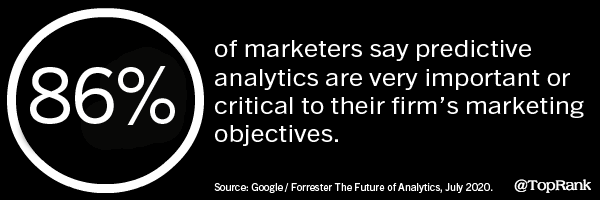
    86 percent of senior-level B2B professionals see clear brand purpose articulation as important, however just 24 percent see activated purpose within their organization — two of several insights of interest to online marketers in new survey data from the Association of National Advertisers (ANA) and others. MarketingProfs


    How Bad Data Hurts B2B Companies
    88 percent of B2B marketers see quality data as important in executing a successful account-based-marketing (ABM) strategy, while some 27 percent aren’t certain how much of their data is accurate, according to recently-released survey data. Demand Gen Report


    Chatbot Usage Has Nearly Doubled in B-to-B Marketing This Year
    The use of chatbots in conversational marketing has risen 92 percent year-over-year, while live chat usage expanded by some 35 percent and social media interactions grew by 31 percent over the same period, according to recently-released survey data. Adweek


    Facebook launches Facebook Business Suite, an app for managing business accounts across Facebook, Instagram and Messenger
    Facebook has rolled out its tool for businesses to manage multiple Instagram, Facebook and Messenger profiles and pages in a unified location, with the release of its Facebook Business Suite utility, featuring post scheduling, ad creation, and insight data, the social media giant recently announced. TechCrunch


    Global brands advance towards ‘holy grail’ of cross-media measurement
    An ambitious global cross-media measurement proposal framework featuring a new publisher log-based solution utilizing Virtual ID (VID) has been put forth as part of a major push by the World Federation of Advertisers (WFA) and brands, the WFA’s Cross-Media Working Group recently announced. The Drum


    2020 September 25 Statistics ImageGoogle Combines Custom Affinity and Custom Intent Into Custom Audiences
    Google has rolled out changes giving advertisers new Google Ad audience features across display, YouTube and discovery campaigns, refining and combining previously separate audience intent and affinity tools, the search giant recently announced. Search Engine Journal

    LinkedIn launches Stories, plus Zoom, BlueJeans and Teams video integrations as part of wider redesign
    LinkedIn (client) has rolled out its ephemeral video and photo LinkedIn Stories feature, expanded platform search functionality, and video chat for direct messaging — three of an array of new additions of interest to digital marketers, the firm recently announced. TechCrunch


    New open source robots.txt projects
    Google has released a specification testing tool for websites seeking to adhere to its Robots Exclusion Protocol, along with a parsing and matching utility for improved robots.txt web crawler indexing information, the search film recently announced. Google Webmaster Central Blog


    What Should B2B Vendor Websites Focus on as the Pandemic Affects Purchase Behavior?
    68 percent of B2B buyers say that their purchase cycles have lengthened since 2019, with the most common buying journeys lasting between one and six months, while 53 percent consider web search a top research method, followed by 41 percent who consider vendor websites a top evaluation method, according to recently-released data. MarketingCharts


    ON THE LIGHTER SIDE:


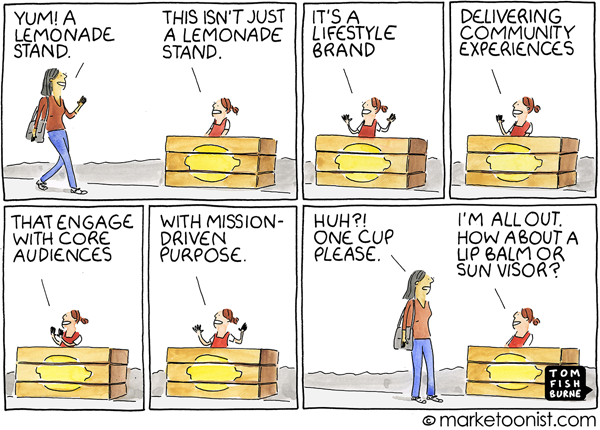
    2020 September 25 Marketoonist ComicA lighthearted look at “lifestyle brands” by Marketoonist Tom Fishburne — Marketoonist
    Overwatered Houseplants Hoping Woman Goes Back to Work Soon — The Hard Times

    TOPRANK MARKETING & CLIENTS IN THE NEWS:


    • Lee Odden — Stop Telling The Same Old Story — Mark Armstrong
    • Nick Nelson — 10 Tips for Changing the Way You Think About Your Small Business — Small Business Trends
    • TopRank Marketing — Why Convenience Is Essential — Forbes

    Have you found your own key marketing stories from the past week of news? Please let us know in the comments below.


    Thank you for taking the time to join us for the weekly B2B marketing industry news, and we hope that you will return again next Friday for another look at the most relevant B2B and digital marketing industry news. In the meantime, you can follow us at @toprank on Twitter for even more timely daily news.


    The post B2B Marketing News: Rising B2B Ad Spend, Enterprise Chatbot Usage Doubles, B2B’s Purpose Gap, & New Tools From Google & Facebook appeared first on Online Marketing Blog – TopRank®.


  • How to Optimize Original B2B Research Content For Credibility and Impact

    How to Optimize Original B2B Research Content For Credibility and Impact

    For many in the B2B marketing world, original research provides an effective way to build thought leadership and drive content for owned and earned media.

    Unfortunately, many research reports from B2B companies are dry, uninspired and focus solely on pontifications from the brand point of view. Such unremarkable content isn’t helping customers, especially if they never see it due to information overload or they don’t trust it.

    “With more information, options and people involved in a buying process, buyers are paralyzed when trying to move forward.” Gartner

    Fortunately, there’s a better way.

    More often than not, B2B research reports have marketing objectives focused on building brand thought leadership, attracting new names for nurturing and to serve as a resource for sales. Since most B2B brands don’t have the credibility and distribution to reach their marketing goals on their own with such reports, they rely on advertising and PR to attract attention.

    Ads and PR are fine complements to content. But they’re even more effective if that content delivers an experience that is includes built-in credibility and distribution to the the audiences that are probably ignoring most marketing and advertising.

    How can you optimize research report content to deliver this kind of experience?

    Brands that co-create experiential content with relevant experts and influencers can build industry confidence, grow brand trust, create a more effective digital customer experience and drive business growth.

    What does that kind of research report collaboration content process look like?

    B2B marketers have included quotes from industry experts in their reports for many years – but most do not. However there are many more ways to engage with credible voices that have the trust and attention of the audience you’re after.

    For example, you might partner with a mix of industry experts, influential customers and people who work at brands that represent your ideal clients to add perspective to original research.  Adding that expertise isn’t enough. The content itself should be packaged as an experience. Whether it’s interactive or just well-designed, research content doesn’t have to be boring.

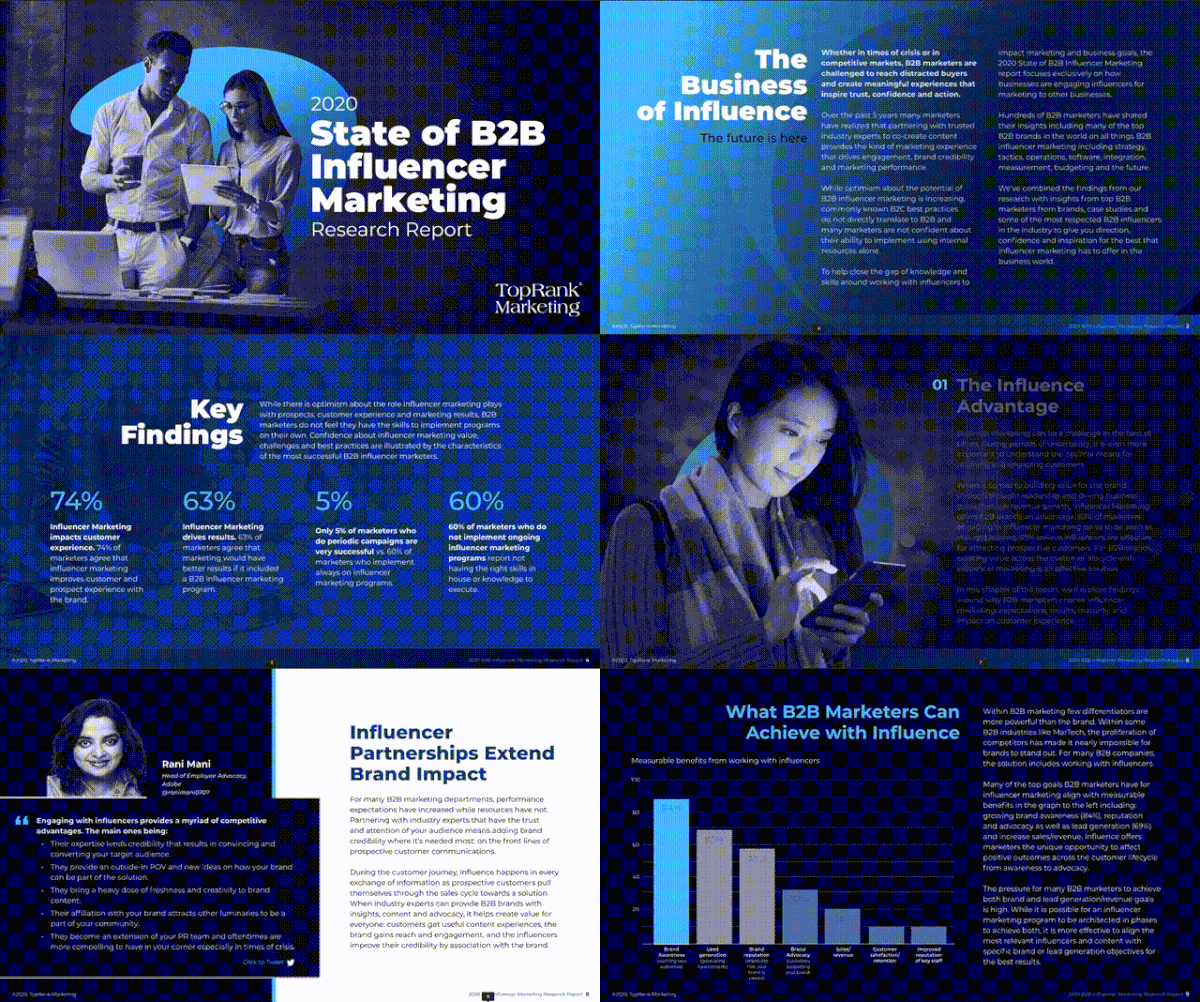
    I think our latest research report on B2B Influencer Marketing is a perfect example of this.

    B2B Influencer Marketing Report Preview

    We partnered with 20+ B2B brand marketing executives and influencers to provide perspective on the key issues surfaced by the research. Instead of the report being authored by me (with some help from my team), there are contributions from influential B2B brands that include:

    • Dell
    • SAP
    • LinkedIn
    • AT&T Business

    There are also insights provided by some of the top B2B influencers in the industry including:

    • Brian Solis
    • Ann Handley
    • Tamara McCleary
    • Mark Schaefer

    Pulling together credible voices to join your own in an experiential piece of content is far more likely to be shared by contributors and your community, looked at by industry media and potential customers, and actually used by your sales people in their communications with prospects.

    Such a rich content experience can deliver far more value than a one time campaign, especially if you roll it out in phases.

    For example, you might extend the value of original research by implementing a phased content approach. For example:

    The first phase might be the co-creation and publishing of the original research with industry experts and clients.  Promotion would focus mostly on owned channels, organic social and private channels like email, forums, etc.

    The second phase could emphasize earned media and extensions of the narratives highlighted by the research. Names captured can be nurtured with useful resources that go deeper on the topics and a video interview series with the experts who contributed would feature more in-depth conversations around the key report findings. Online events and some useful tools and more visual versions of the original content could also help with promotion hang time.

    The third phase takes the report content and repurposes it into new formats: explainer videos, a podcast, infographics. An interactive microsite that gives viewers and opportunity to assess themselves against the benchmark data from the research provides an engagement opportunity without substantial investment in new content. The original group of influencers is now expanded to invite more people in those roles to contribute their expertise to content around the report’s narratives.

    What you do specifically for your B2B business is up to you, but publishing original research in white paper format without any 3rd party validation within is simply no longer enough to attract, engage and inspire a meaningful experience or a return on your investment.

    Creating a content experience that is credible and that can rely on distribution by its influential contributors on top of brand channels, PR efforts and ad buys will certainly achieve the expected thought leadership, engagement and demand gen goals more effectively. In the case of our report mentioned above, we hit one of our most important 3rd Quarter goals in just the first 2 weeks because of following this advice.

    Imagine what you could do?

    The post How to Optimize Original B2B Research Content For Credibility and Impact appeared first on Online Marketing Blog – TopRank®.

  • How B2B Marketers Can Get the Most Out of Webinars in 2020

    How B2B Marketers Can Get the Most Out of Webinars in 2020

    There has to be a word for the creeping dread B2B marketers have been feeling this year, preferably something German with a ton of umlauts.


    As we watched events in the spring cancel, postpone, or go virtual, we held out hope that summer would be different. Then July’s events moved out. Now it’s looking like the type of large-scale events B2B marketers depend on will have to wait until 2021… at the earliest.


    But we don’t have to despair! We can close the gap with virtual events. The speaking gig at an industry conference can become a webinar, as can a planned panel discussion or product demonstration. 


    The good news is plenty of people have more spare time than before to watch your webinar.


    The bad news is that everyone who makes webinars has time on their hands, too. So, your webinar has to have a little extra oomph to stand out in the crowd. 

    Here’s how you can level up your webinar creation and promotion.


    How to Get the Most from Your B2B Webinar

    It’s no longer enough to put up a slide deck and talk through bullet points. These tips will help you make a more compelling webinar — and make sure that people attend it.


    Start with Content Research

    No marketer worth their salt would make a blog post without doing content research. Why should your webinar be different? 

    To determine the best subject matter for your webinar, bring all of your research tools to bear:

    • SEO research via SEMRush and Google Analytics
    • Question research via BuzzSumo and AnswerthePublic
    • Prospect feedback from your sales team
    • Competitor content evaluation

    All of these resources will help you home in on the topics that your audience most wants to hear about. Your research might even drive what type of webinar you create: If your audience needs how-to advice, you might do a live demonstration. If they’re looking for thought leadership, you might partner with influencers. Speaking of the latter…


    Reach Out to Influencers

    In case you missed the headline yesterday, B2B Influencer Marketing is kind of a big deal. There’s no greater boost to your credibility (and your potential audience) than adding industry thought leaders to your webinar. 


    Look for people who are influential with your audience — those who are regularly producing content and engaging with anyone who posts a comment. They don’t have to have Taylor Swift-level follower counts to make a difference. They just have to be able to get a relevant audience’s attention and hold it.


    Also, it’s not enough to just have someone appear with you on camera, though — it’s important to ask meaningful questions that will enable a substantive discussion. Keep your content research in mind as you plan the interview.


    Create a Landing Page & Promote

    Give your audience plenty of time to prepare for your webinar. We recommend starting outreach at least two weeks beforehand, and up to a month if you can swing it. 


    Create a short landing page to collect sign-ups — include a few key points you plan to cover, and introduce yourself and your guests. You can promote the landing page via social media — image-led social works well — and blog content that builds anticipation for your topic.


    Don’t forget to include the webinar in your newsletter, and to enlist your influencers to drive pre-registration.


    One great way to promote the webinar, and focus your content at the same time, is to poll your audience via social media. Ask for their thoughts on your topic. Ask what they most want to know about it. Ask what they would like to ask your thought leader guest. These posts can help drive registration while also making sure the content will be more relevant to the audience.


    Change Up the Format

    The Q&A, the panel discussion, the lecture — there are a few tried-and-true formats for webinars. But as the market gets flooded with content, we need to be more creative. For example, what about a working session instead of a discussion, where your panel collaboratively creates something? Or what about spicing up an interview with interstitial, pre-produced video content? 


    You could even host the webinar on a platform like LinkedIn Live (while recording it for later publication, of course) and interact in real time with the audience. Just make sure to have a moderator to help keep the questions flowing smoothly.


    Plan and Practice, But Be Flexible

    It’s always a good idea to run through your entire webinar a few times before you go live. If you’re doing a lecture or presentation format, that means practicing all the content you plan to put across. For a panel discussion or interview, you may not be able to do a full run-through with your influencer, but you can still test the technology you will be using.


    Don’t let your practicing and planning make your presentation too rigid, though. You should be able to follow an interesting conversational thread in your interview, or incorporate an audience comment in your presentation, without the whole thing going off the rails.


    Of course, it’s always going to be tricky to run a live presentation, especially if you or your guests don’t do this type of presenting for a living. It can be challenging to think on your feet, come across as engaging, and keep a conversation focused and interesting to your audience.


    Which is why I’m going to court controversy and say…


    You Don’t Have to Be Live

    As we think about changing up the format and offering a higher-quality experience to the audience, it may be time to let go of the idea that webinars have to be live. 


    After all, editing is the gift that you give to your audience. You wouldn’t write a blog post in real time with a hundred people watching. You wouldn’t record a podcast episode and publish the raw audio. So why not pre-record and edit your webinar?


    It’s true there is an immediacy to a live presentation that would be lost with a pre-recorded one. But the boost in quality for the audience could cover that loss. And you can still have an interactive experience with the audience through chat. You could even play the pre-recorded portion first, then hop on the video stream live for an audience Q&A.


    There’s an enormous gap between the standard slideshow & lecture webinar and the produced, polished video that audiences appreciate most. Pre-recording and editing is one way to start closing that gap. 


    Follow Up with Extra Content

    What should your audience do next after attending the webinar? That’s a question to answer before you take your first registration. Once you have a next step in mind, create a content bundle to send to each registrant after the webinar airs. This bundle could include a normally gated eBook or two, some recommended reading from your blog, or more content from your influencer guests.


    You can also create extra content from the webinar to help fill out your editorial calendar. Use excerpts from your discussion to fuel blog posts. Repurpose the audio as a podcast. Pull the best quotes to use as video posts on social media that drive to a gated version of the recorded webinar. Essentially, it’s about getting the most value possible from your content asset — the same thing you do with eBooks or blogs.


    Webinars Killed the Radio Star

    The pandemic has made webinars a go-to tactic for marketers who are missing out on face-to-face events. But as more marketers get into the webinar game, your content needs to be extraordinarily valuable and extremely well-promoted. If you plan, produce and promote your webinar with the same strategic care that you use for the rest of your content marketing, you’ll bring your audience more value and earn their attention in return.


    Check out our CEO Lee Odden in a recent webinar: Social Media in the Times of Social Distancing.


    The post How B2B Marketers Can Get the Most Out of Webinars in 2020 appeared first on Online Marketing Blog – TopRank®.


  • How To Level Up Marketing Content From B2B Influencers

    How To Level Up Marketing Content From B2B Influencers

    B2B Marketing- Methodology

    Why do you even need a content person for influencer marketing?


    After all, the influencers are providing the content. You just have to collect their pearls of wisdom, make them look pretty in a PDF, and you’re good to go, right?


    I’ll confess, on my first influencer marketing project, I wasn’t quite sure what I was doing there. Over the last few years, however, I’ve come to understand the role that content marketers can play in shaping influencer content.


    It’s the content lead’s job to shape the conversation with the influencer. We have to ask the right questions, and provide a structure and framework to elicit thoughtful, detailed responses.


    There are a few extraordinary thought leaders who will dash off a thousand-word, amazingly insightful response to the vaguest prompt. But most folks — even those who write for a living — need more to go on than “What is the biggest problem facing our industry?”


    The influencers you’re talking to have spent hours of time and effort learning about their subject matter, building an audience with powerful, useful content that provokes action. When you email that list of questions, or sit down for an interview, make sure you don’t leave any insight untapped.


    Here’s how we at TopRank are evolving our influencer approach to get at that next-level content.


    How to Unleash Your Influencer Content

    So you’ve identified the true influencers to your target audience, you’ve developed relationships, and now you’re ready to co-create content together. Before you start, make sure you lay the groundwork for a productive Q&A.


    Ask More Specific Questions

    Influencers will take their cue on how to answer based on how you ask the question.  If you start with a mile-high question like, “What challenges should leaders be aware of right now?”, you’re likely to get a high-level response, something vague and oracular. That’s not because the interviewee can’t get into specifics — it’s because you didn’t invite them to.


    A better approach is to find out the biggest challenges that your industry is facing, pick one, and ask what we should be doing about it: “The latest Gartner report says that 75% of managers don’t have enough donuts in the breakroom. What are the options for HR leaders to fix this problem? What do you recommend?”


    Limit the scope of your question, and you invite the influencer to give a more detailed response.


    [bctt tweet=”Limit the scope of your question, and you invite the influencer to give a more detailed response. @NiteWrites on #InfluencerMarketing interviews.” username=”toprank”]


    Don’t Ask Questions Everyone Knows the Answer To

    It’s easy to fall into this particular trap. You offer the influencer softball questions that have a broad consensus for the answer, they agree with the consensus, everyone goes home happy. 


    I’m talking about questions like, “Do you think automation is, on the whole, a good thing or bad thing?”  And they answer, “Well, it’s a different thing. It will cost some people their jobs, but for others it will make their jobs less repetitive and more meaningful, and that will open up new opportunities to innovate.” 


    The above is perfectly acceptable, content-wise, but it’s a waste of your influencer’s time and talent. You don’t hire LeBron James to dunk on a 4-foot rim. Ask questions you don’t know the answer to, questions that your industry is struggling with, questions that cry out for guidance!


    [bctt tweet=”You don’t hire LeBron James to dunk on a 4-foot rim. Ask questions you don’t know the answer to, questions that your industry is struggling with, questions that cry out for guidance! @NiteWrites on #InfluencerMarketing” username=”toprank”]


    And, of course, give your influencer plenty of time to think about these questions and formulate thoughtful responses.


    Let Your Audience Ask the Questions

    One of the best ways to get at these more detailed, more challenging questions is to see what questions your audience is actually asking. There are two ways to go about soliciting audience questions for an influencer.


    The first is the direct one: Ask on your social media channels and your email newsletter. For example, a Twitter post could say, “If you could ask Lee Odden one question about influencer marketing, what would it be? Answer with #AskLeeO.” Collect the most pertinent questions and let them guide the interview.


    The second way to let your audience ask the questions is to do some keyword research. The topics your audience is searching for are the ones they need answers on. If they had the answers, they wouldn’t be searching! But don’t stop at the highest-volume keywords; those are likely to be too general. Dig into the long-tails on a tool like SEMrush to get at the burning questions.


    Ask for Stories

    Many of the influencers we work with are consultants, keynote speakers, or have been executives at multiple companies. These folks have a ton of practical experience — we just have to ask them to draw on it.


    Instead of asking, “What do you think are the three biggest challenges,” ask, “What problems are your clients coming to you with?” Or, even better, “Have you had clients with a similar problem? Tell me about how you advised them, what they did to solve it, and what success looks like.”


    Asking for stories like this gives your influencer a chance to demonstrate their expertise in action, and offers your audience a more grounded, relatable look at your topic.


    Power Up Your B2B Influencer Content

    Content planning is a crucial part of influencer marketing. It’s the content team’s job to ask questions that meet audience demand, inspire thoughtful contemplation, and make full use of the influencer’s experience and insight. Asking the right questions is the difference between good and great influencer content.


    If you want to level up your B2B influencer marketing content, make your questions specific, skip telling the audience what they already know, and ask for unique stories that only your influencer could tell.


    Want to power up your influencer marketing even more? Check out The B2B Marketing Force Multiplier: Integrated SEO and Influencer Marketing.


    The post How To Level Up Marketing Content From B2B Influencers appeared first on Online Marketing Blog – TopRank®.


    Source


  • 3 tips to make every marketing implementation a success

    3 tips to make every marketing implementation a success

    Implementation Strategies

    Technology in marketing abounds. Marketers use tools to send emails, track customer and prospect engagement and save preference information for future use.


    But with the growth of technology in marketing come the challenges of martech implementations. Marketers are constantly installing new solutions that will help them work smarter and reach leads more effectively, and successful implementation of these tools is imperative.


    Marketing organizations are finding themselves functioning like IT organizations as they migrate to new technologies, integrate existing solutions and make upgrades from older versions. But unlike IT organizations, which are well versed in successful implementations, this is a relatively new function for marketing organizations.


    IT organizations have learned over the past 50-plus years what it takes to implement on time and within budget while delivering expected functionality. Beyond selecting the right tool, a successful implementation must not cause a disruption in service. Most importantly, the new tool must meet business expectations and provide equal or greater functionality than currently exists.


    By taking advantage of these learnings, marketing organizations can make sure their new solutions will produce the expected results. Below are three tips for successfully implementing new marketing tools.


    1. Develop a project management plan

    Create a project plan — you don’t have to use a sophisticated project management tool to create it. Plenty of free tools are available.

    Include expected time frames, responsible resources and dependencies. Stretch the plan across a bell curve so the expended effort slowly ramps up, has the majority of effort in the middle, and then gradually ramps down.


    Projects that are built without dependencies, and where all the effort takes place concurrently, oftentimes fail due to frustration among members of the implementation team, wasted effort or missed deadlines.


    Continuously track your project to ensure it’s on time. The more finite the unit measured, the more accurate the tracking and the more quickly potential issues will be spotted.


    Vigilantly monitor tasks in the critical path. These are the action items that must be accomplished on time in order for another part of the project to proceed. Know what affects the critical path (technical setups, team members, leadership), and make sure any risks are mitigated.


    2. Communicate

    Communication is critical both within the implementation team and between the business owners and the project team. Sharing risks, status updates and successes ensures there won’t be any surprises.


    A level playing field where both business owners and the project team can communicate ensures all points of view are being heard and discussed. In large implementation projects, there often are varying points of view and opposing business drivers. For project success, there must be understanding and convergence.


    Also be sure to extend communication outside of the business owners and project team. Continuously share the benefits of the new tool, but don’t hide the risks.


    The marketers and business units that will use the new tool are curious; they want to know the impact to their daily jobs.


    Share updates using a “what’s in it for me” focus. The users of the new tool don’t necessarily care about the project. What they care about is how the new tool will affect them and when they will be using it.


    3. Walk before you run

    Without well-defined business requirements, you cannot realize success. But keep the business requirements realistic. When expectations are too broad, either in terms of project scope or impact to the business, there is a high potential for project failure — think reduced scope or project overruns.


    Limit the actual implementation to a single team or project instead of the entire marketing organization. Wide-scale implementation increases risks because of the increased complexity and the number of moving pieces involving new integrations and responsibilities.


    Instead, roll out the new technology piece by piece and stabilize it until problems are worked out. This limits large-scale business disruption and provides an opportunity for the refinement of the new martech tool before it’s implemented organization-wide.


    IT organizations have learned there is no silver bullet to ensure project success. Every project that’s started has the potential to fail.


    Mitigating failure happens through structured project management and a consistent methodology designed to move projects forward. It also happens through honest and open communication among project team members, business owners and the solution’s users.


    With an eye to these rigors followed by IT organizations, marketing teams will consistently be able to benefit from each new marketing solution by TIQ they implement.


    Source