Category: Marketing Strategy !

  • A Beginner’s Guide to A/B Testing: How to Improve Your Marketing Campaigns

    A Beginner’s Guide to A/B Testing: How to Improve Your Marketing Campaigns

    Introduction

    A/B testing is one of the powerful digital marketing strategies in pushing through data-driven and results-oriented marketing communications. Whether for web optimization, email campaigns, or advertising refinement, A/B testing can provide vital insights into what would work best for your targeted audience.


    This A/B testing guide from Technocratiq Digital is styled to navigate you through the basics of A/B testing, the benefits available, and how to initiate the implementation of A/B testing in your marketing campaigns. At the end of this guide, you will know exactly how to improve marketing with A/B testing and how to boost all your conversions.

    What Is A/B Testing?

    A/B testing, also known as split testing, refers to a process wherein two versions of a marketing asset webpage, an email, or an advertisement are compared to find out which one works better. In other words, A/B testing can test a variable such as a headline, image, or call to action to see which combination yields the highest conversion rates or engagement.

    For instance, in an A/B testing guide, we might compare two variants of a landing page with a red CTA button and one with a blue CTA button by tracking which generates more clicks or sign-ups.

    Technocratiq Digital helps businesses improve marketing with A/B testing by ensuring that every test is structured in such a way that it will yield useful actionable data that will directly influence the performance of their campaigns

    Why A/B Testing is Essential for Your Marketing Strategy

    A/B tests allow making educated business decisions based on data, letting students apply direct actions. No longer wishful thinking determines or shapes marketing campaigns; A/B tests are based on real user behavior.

    Here are four compelling reasons why A/B testing is essential for any business that wants marketing optimization:
    • Data-influenced Decisions: A/B testing enables results-based findings, thus letting you shape your work according to what works instead of what you think works.
    • Higher conversion rate: Testing various elements like headlines, images, and CTAs candidates to understand what could get more conversions.
    • Improved User Satisfaction: A/B tests help you create great experiences by focusing on aspects that are most appealing to users.
    • Cost-Affected Advertising: Aids in guiding you to wisely invest your marketing budget by offering insights into various strategies you can consider, to pick the best performer.

    Through this A/B testing guide, you’ll be on your way to improving marketing with A/B testing and seeing tangible results in your campaigns.

    How to Conduct Effective A/B Testing

    Installing a structured method is essential for ensuring the validity and reproducibility of A/B test results. This is a step-by-step procedure for performing A/B tests:

    1. Outline Clear Goals

    Before any A/B testing can begin, it is crucial to draw up objectives. Would you like to increase your site conversion rate, increase your click rate, or reduce your bounce rate? Clear goals not only guide the testing process but also give you something to measure your success against later.

    For example, one beginner’s guide to A/B testing allowed one of Technocratiq Digital’s clients to improve sign-ups for a webinar by testing different headlines on their landing page. The winning headline led to a 25% increase in sign-ups.


    1. Choose Variables to Be Tested

    The next thing you ought to do is decide which element of the asset you’re going to test. Common variables are:

    Headlines: Evaluate which headline gets more attention and actual traffic.

    Images: Does changing an image increase engagement/conversions?

    CTAs: Test wording, colors, and placements of CTAs.

    In this A/B testing guide, we will recommend you to test only one variable at a time, so you can clearly see its effect on performance.

    1. Build the Two Versions

    Once you have selected your variable to be tested, you will then create two versions of the asset, namely the control (Version A) and the variant (Version B). For instance, if you’re testing a particular CTA button, Version A could read “Sign Up Now,” while Version B reads “Get Started Today.”

    It’s essential that the only difference between the two versions is the tested element. By doing so, any performance differences can be logically attributed to the variable being tested. 

    1. Split  Your Audience

    Just so your test can yield valid results, it is necessary to split your audience randomly. One group sees version A, while the other sees version B. Randomization is what causes external factors such as time or demographics not to affect the results.


    1. Allow Enough Time For Your Test

    The time period of the test depends on your traffic. Make sure you’ve run the test long enough to get useful data with more reliable conclusions. If you conduct your test too short, your results may not be statistically significant.


    1. Analyze  The Results

    After the completion of the test, the next step is to analyze the results. Analysis provides the outcome in favor of version A or B according to your objectives (for example, to find out which one generates more conversions or clicks). You can change to a new domain name once the winner is established.

    Technocratiq Digital has taken this beginner’s guide to A/B testing, and clients have reported measurable improvements. A call-to-action test recently resulted in an 18% increase in clicks for one of our clients.


    1. Implement The Winning Version

    Once you know which version won, put the changes into your entire marketing strategy. A/B testing does not stop here; A/B testing is an ongoing process since you can keep testing out other variables to further optimize your marketing efforts. 

    What is Conversion Rate Optimization (CRO)?

    CRO is nothing but conversion rate optimization. In simple terms, it means increasing the number of visitors to your website who perform an action you desire. That could be purchasing a product, subscribing to the newsletter, or filling out a form. Businesses will A/B test various elements on their website, including headlines, CTAs, and layouts, to see what works best with their audience.

    This Beginner’s Guide to A/B testing will introduce you to the basics and how to apply A/B testing to boost returns for your business.

    Tactic 1: Optimize landing pages with A/B Testing

    Landing Pages are the starting point for all conversion-rate-wide enhancements. Being the key drivers to conversion, it is very important to make landing pages the most effective and conversion-oriented. Here are some ways in which A/B testing can be utilized for landing page optimization:

    • Headlines: This is the first thing that your visitors notice. Just a slight difference in the wording can yield a high conversion rate. Different headlines addressing your audience’s pain points should be tried out.
    • Call to Action: It’s time to test an array of call-to-action buttons, including their color, position, and text to see what gets people active.
    • Visuals: Try out images or videos that captivate your target audience. Visuals significantly affect user engagement.

    With the guidance of this A/B testing, go ahead and run some tests and iterations to find the landing page elements that drive the most conversions. 


    Tactic 2:- Make Content Personal

    Personalization is a highly effective method to boost conversions. By applying behavioral or preference-based approaches to your content, visitors start feeling like they belong. Here is how you can employ A/B testing to make your content personal:

    • Dynamic Content: Display the messages, content, or product suggestions that change depending on the visitor’s location or browsing behavior.
    • Product suggestions: Show tailored suggestions that remind the user of things he or she liked previously.

    When you improve marketing with A/B testing, personalizing content can significantly enhance user engagement and conversion rates.


    Tactic 3: Shorten Forms for Higher Submission Rates

    Forms can refer to anything from signup forms and lead-collection forms to forms requesting donations or volunteering. They are imperative in lead collection, but long, lengthy forms can lead to drop-offs. To improve marketing with A/B testing, try testing:

    • Form length: Lay off your form length, and test the submissions while minimizing fields to key respondents.
    • Form placement: Test where on your page your form performs best, either the header, content, sidebar, or footer of the page.
    • Call-to-action clarity: Write a clear, action-oriented call to action for your form, e.g. “Get my free ebook.”

    With this beginner’s guide to A/B testing, you can learn the actual elements in the conversion forms that capture visitors’ interest. 


    Tactic 4: Build trust and credibility

    Trust is key for conversions. If the user feels that the website is trusted, the chances of him filling up his details or making a purchase increase considerably.

    You can boost trust and credibility aspect with the following A/B test:

    • Customer Testimonials: Display reviews or testimonials that would add credibility to your website. Test the placement and the word content of testimonials for their effectiveness.
    • Trust Badges: Build trust by featuring secure checkout badges, money-back guarantees, or industry certifications.
    • Case Studies: Add case studies that provide evidence of the success of your product or service.

    Once you trial these trust elements via A/B testing, you’re bound to strengthen user trust and have better conversion rates.


    Tactic 5: Testing different user journeys and traffic sources

    Traffic sources make or break conversions. Users who come from different sources (social media, paid ads, or organic search) will have different expectations and behaviors. Use A/B testing to discover what traffic sources or user paths would yield better conversions:

    • Test Traffic Sources: Test multiple traffic sources to discover which traffic sources yield some conversions. Since it’s paid ads or social media, some traffic sources may require different landing pages or offers.
    • Test User Paths: Compare the conversion rates for visitors coming from different paths. Will blog post users convert better by clicking through to a product page or a landing page?

    Testing traffic sources and different user flows will help you improve marketing with A/B testing, which will then assure you of getting the maximum ROI in your marketing efforts.

    Example: HubSpot’s Traffic Source Analysis

    HubSpot conducted an A/B test to discover which converted better, a blog post landing page or a product page, for traffic from organic search. The results show that blog post landing pages converted 22% better than product pages.

    Some examples of what to test:
    • Conversion rates of users from various traffic sources (social media, email campaigns, organic search)
    • User paths-directing users to specific landing pages vs. product pages
    • Custom offers in conjunction with the source of traffic.

    While this is the wake-up call towards businesses in adopting smart analysis, it brings to mind the excerpt from the Beginner’s Guide to A/B Testing regarding the right practices that aid organizations in figuring out on-the-spot strategies to make the best use of the prospects that engage visitors depending on where they entered. 


    Common A/B Testing Mistakes to Avoid

    While A/B testing is a powerful approach, it may have possible pitfalls, such as:

    • Testing too many variables: Focus on testing one thing at a time. Too many variables can confuse results.
    • Not allowing tests to run long enough: Testing for short periods of time can lead to unreliable results. Ensure your tests have enough time to gather sufficient data for a meaningful conclusion.
    • Lack of statistical significance: Ensure your results are statistically significant before deciding on a specific tackle. Otherwise, you will risk changing your policy based on misleading information.

    Technocratiq Digital’s Expertise in A/B Testing

    At Technocratiq Digital, we simplify the A/B testing process to help businesses achieve measurable results. Our approach ensures that every test is not just an experiment but a step towards improved performance and ROI. Here’s how we assist our clients:

    • Strategic Test Design: We identify key variables—whether it’s headlines, CTAs, or visuals—and design tests that deliver actionable insights.
    • Data-Driven Decisions: Our experts analyze results to recommend changes that directly impact your conversion rates and engagement metrics.
    • Continuous Optimization: We go beyond single tests by iterating and refining strategies to ensure sustained growth.
    • Tailored Solutions: By understanding your audience and business objectives, we create customized A/B testing strategies that resonate with your target market.


    Conclusion

    A/B testing is the holy grail of marketers looking to finesse their strategy and achieve better results. This A/B testing guide has demonstrated that, even with small changes, you can achieve big to moderate shifts in engagement and conversions. Following this beginner’s guide to A/B testing gives you the proper confidence to execute tests, analyze results, and make the changes that resonate best with your audience.


    You would either want to boost website performance or performance in terms of advertisement campaigns; A/B testing offers a verified way that develops marketing further into A/B testing. Technocratiq Digital helps companies to leverage these strategies towards measurable growth. Start testing today and see small changes move the needle.
     

    Get in Touch with Us!
  • From Zero to Viral: Growing a Local Business’s Social Media Following by 500% in Half a Year

    From Zero to Viral: Growing a Local Business’s Social Media Following by 500% in Half a Year

    Introduction 

    Any local business looking to expand their reach in their community today has to have an extremely strong social media presence. For Technocratiq Digital, this was a no-brainer: How do we help a local business not just build a social media presence from the ground up, but get it growing exponentially? The following is a case study of how we contributed to increasing a local business’s social media following from zero to 500 percent in six months.

    The Challenge: A Local Business with Minimum Online Presence. A small local business approached us at Technocratiq Digital. This firm’s presence on social media was extremely poor, the firm was followed by far fewer accounts, and in turn had hardly enough time, money, or the needed expertise to make those rounds and engage in efficient manners. The business just couldn’t reach people through a virtual platform to fill up the gap in its overall marketing endeavors.

    Opening Statistics:

    Followers: Less than 200 on all the social media platforms

    • Engagement Rate: Less than 1%
    • Less than five postings per month: Random posting
    • Target Market Local community, by age, interest, and location.

    The company was very strong offline because it had customers who kept on coming back and also a community connection. The strength did not translate in the online space. Knowing this, Technocratiq Digital aimed to create an elaborate growth social media strategy for increasing followers for local businesses that not only build followers but also encourage engagement and conversion.

    Step 1: Understanding the Audience

    Understanding the target audience of the local business was critical before tactics. Who are they trying to reach? What types of social media are most relevant and resonate with their market? This research phase set the ground for the social media strategy for local businesses. We conducted questionnaires and analyzed their current customer base to profile the ideal follower.  Primarily young adults aged 25–45 years and interested in lifestyle products. I used Facebook and Instagram the most often of all the social media sites.

    • Content Preference: Fans liked the photo and video posts more than the wordy ones.

    That valuable information helped them come up with a strategy good enough to be felt by target audiences and eventually grow through social media.

    Step 2: Setting SMART Goals

    At Technocratiq Digital, we believe in using SMART goals to track one’s progress and ensure one achieves the set goals. For this campaign, the following objectives were set.

    • Increase followers for local businesses by 500% in six months.
    • Engage at least 5% of your audience by the end of Month 4.
    • Posting is frequent, with at least 4 good posts per week.
    • Deliver at least 100 new website visitors per week from social media by Month 6.

    Along with objectives, we were able to come up with a well-focused path that led us to success.

    Step 3: Crafting the Content Strategy

    Any growing social media following campaign depends on content. Here, for this local firm, Technocratiq Digital developed a very interesting content calendar. There were three types of content used here in this campaign:

    • We placed local events, influencers, and customer stories under the spotlight to build the brand on the back of a community.
    • Product Showcases: Hauls A high-quality picture and video of what the company sells was posted regularly. Each of these posts is optimized with meaningful hashes and geotags to get discovered easily.
    • Interactive Content: Surveys, Q&A sessions, and giveaways were added to the strategy to create interaction and maximize engagement rates.
    • Hashtags and geotags
      We optimized the posts using location-based hashtags and geotags to further expand the social media following. This attracted local followers who were most likely to visit the physical store. We used trending hashtags relevant to the local market for increased visibility of the posts.
    • User-Generated Content
      Users creating content is what would mostly make this platform successful for trust and authenticity building. We encourage the customer to post his experience under the branded hashtag, including the tag of the business. All those posts will be shared to the business’s social media page.

    Step 4: Paid Social Media Advertising

    • Organic growth is needed. But paid advertising can expedite the process much faster. Technocratiq Digital harnessed Facebook and Instagram ads, advertising events, and promotions in the neighborhood, using the following advert strategies:
    • Lookalike Audiences: We created lookalike audiences using existing customer data targeting people with similar demographics and interests, ensuring our ads were relevant to potential followers.
    • Engagement Ads Engagements were ads aimed at promoting like, comment, and share actions, thus increasing the visibility of the business’s social media pages.
    • Lead Generation Ads: The lead generation ads led more traffic to the website while helping capture leads for follow-through in the future.

    Step 5: Consistent Engagement and Community Building

    • Building a loyal community is just as important as increasing the follower count. Technocratiq Digital ensured that the local business interacted consistently with its audience by:
    • Responding to every comment and message.
    • Engaging with local influencers and collaborating on social media takeovers.
    • Sharing behind-the-scenes content that gave followers a glimpse into the business’s day-to-day operations.

    By actively participating in conversations, we humanized the brand, making it more approachable and relatable. This fostered a community of loyal followers who not only engaged with content but also became brand advocates.

    Step 6: Tracking and Optimization

    No social media strategy for local businesses can be said to be full without tracking results and optimizing based on performance. It used tools such as Google Analytics, Facebook Insights, and Instagram Analytics for performance monitoring in real-time. It tracked metrics like:

    • Follower Growth: Followers increase month on month.
    • Engagement Rate: Likes, comments, shares, and interactions per post.
    • Website Traffic: Number of visitors driven to the business’s website from social media.
    • Conversion Rate: Percentage of social media followers who became paying customers.

    Through ongoing analysis, we refined our strategy, focusing more on what worked (e.g., interactive content, and product showcases) and minimizing what didn’t perform as well.

    The Results: Exceeding Expectations

    After six months of executing our growing social media following strategy for local businesses, the results were impressive:

    • Follower Growth: We increased the business’s social media following by 500%, from under 200 to over 1,200 highly engaged followers.
    • Engagement Rate: The engagement rate skyrocketed to 7%, exceeding our initial 5% goal.
    • Website Traffic: Social media alone drove the biggest traffic averages of 150 new weekly visitors.
    • Conversion Rate: Footfall in the store was up by 25% and additionally through online sales; now that is what one would call engagement and converting.

    Key Takeaways

    • Understanding your audience is crucial for creating relevant content and targeting the right people. The more you know about your followers, the better you can tailor your social media strategy for local businesses.
    • Consistency and quality content go hand in hand. Posting regularly and ensuring that each post is engaging and adds value is essential for organic growth.
    • Paid ads can accelerate growth, especially when paired with well-defined audience targeting. Even a modest advertising budget can yield significant results.
    • Community building is key. Engaging with followers, responding to comments, and encouraging user-generated content foster a loyal community that supports your brand long-term.

    Conclusion: Going from Zero to Viral

    For example, through a more research-intensive and strategic plan for six months, Technocratiq Digital grew the small local business’s followers to 500%. With relevant combined content, paid adverts, and community engagement, for me, we changed the languid presence on social media into a virtual society that is active.


    If you’re looking for ways to increase the size of your social media following and reach new customers, then a customized approach designed for your business is paramount. Technocratiq Digital has the experience and resources to help increase followers for local businesses to thrive online. Contact us today to see how we can take your social media to the next level!

    Get in Touch with Us! – link it to the free quote page

    Phone: +91 7982534881 

    Mobile: +91 99711 50579

    Email: info@technocratiq.com

    Whatsapp Us Now! – 7982534881

    Book Your Free Consultation Slot Today – https://calendly.com/technocratiq/60min


  • Quick Wins: Fastvertising Tactics That Deliver Instant ROI

    Quick Wins: Fastvertising Tactics That Deliver Instant ROI

    In the dynamic realm of modern business, where change is constant and consumer expectations evolve in the blink of an eye, the need for instant results has become a paramount force driving marketing strategies. This blog dives into the realm of “Fastvertising,” a cutting-edge approach that not only acknowledges the accelerated pace of our digital landscape but harnesses it for unprecedented success.

    The Need for Speed in Advertising: Accelerating Success in a Dynamic Landscape

    In the perpetual motion of the digital era, the landscape of consumer behavior is undergoing a rapid transformation, necessitating a paradigm shift in advertising strategies. This section delves into the imperative need for speed in advertising, propelled by the changing dynamics of consumer behavior and the challenges businesses confront in this swiftly evolving digital terrain.

    Challenges Businesses Face in a Fast-Paced Digital Landscape:

    In the race against time, businesses encounter a multitude of challenges in the digital arena. Traditional advertising models, which often involve prolonged planning and execution phases, struggle to keep up with the speed at which trends emerge and fade. The challenges include:

    • Rapid Technological Changes: Technologies evolve swiftly, and businesses must grapple with staying abreast of these changes to remain technologically relevant in their advertising efforts.
    • Fierce Competition for Attention: The digital space is saturated with content from myriad sources. Breaking through the noise to capture the attention of a target audience demands innovative and swift strategies.
    • Shortened Consumer Attention Spans: The average attention span has dwindled, and businesses must convey their message effectively within a narrow window of opportunity to engage their audience.
    • Instantaneous Consumer Feedback: Social media platforms have given consumers a powerful voice. Immediate feedback, both positive and negative, can shape perceptions and influence the success of advertising efforts.
    • Introducing Fastvertising as the Solution: In response to these challenges, Fastvertising emerges as a strategic solution tailored for the exigencies of the modern business landscape. Fastvertising is not merely about speed; it’s a comprehensive approach that recognizes the need for immediacy in every facet of advertising.
    • Agile Campaign Execution: Fastvertising embraces agility, allowing businesses to pivot quickly in response to emerging trends or shifts in consumer sentiment. Campaigns are designed to be adaptable, ensuring relevance in the face of change.
    • Real-time Data Utilization: Leveraging real-time data insights, Fastvertising empowers businesses to make informed decisions on-the-fly. This data-driven approach ensures that campaigns are not only swift but also strategically optimized for immediate impact.
    • Timely and Relevant Content: Fastvertising prioritizes the creation of content that is not only visually compelling but also relevant in the moment. This ensures that the message resonates with the audience’s current interests and needs.
    • Multi-Platform Synchronization: Recognizing the diverse touchpoints of the modern consumer, Fastvertising ensures a synchronized presence across various platforms. This multi-platform integration maximizes visibility and engagement.

    Decoding Fastvertising: What Sets It Apart?

    Fastvertising, a fusion of “fast” and “advertising,” is a strategic approach that prioritizes speed, responsiveness, and adaptability in marketing efforts. At its core, it’s about crafting and executing campaigns with the agility needed to keep pace with the rapid changes in consumer behavior, technology, and market trends.

    Key Characteristics of Fastvertising:

    1. Agility: Fastvertising thrives on agility, allowing businesses to respond swiftly to emerging opportunities or challenges. Campaigns are designed to be flexible, ensuring that adjustments can be made in real-time based on evolving data and market dynamics.
    2. Immediacy: Immediacy is the heartbeat of Fastvertising. It’s not just about delivering a message quickly; it’s about prompting immediate responses from the audience. Fastvertising campaigns are structured to elicit rapid engagement, whether in the form of a purchase, sign-up, or interaction.
    3. Adaptability: The ability to adapt to changing consumer preferences and market dynamics is a hallmark of Fastvertising. Campaigns are not static; they evolve continuously based on real-time insights, ensuring that the message remains relevant and impactful.
    4. Data-Driven Insights: Fastvertising leverages data analytics to inform decision-making. Real-time insights guide the optimization of campaigns for immediate impact. The use of data ensures that strategies are not only swift but also strategically aligned with the audience’s behaviours and expectations.
    5. Multi-Platform Integration: Recognizing the diverse ways modern consumers interact with content, Fastvertising ensures a seamless presence across multiple platforms. Integration across social media, search engines, and other channels creates a cohesive brand experience, maximizing reach and engagement.

    How Fastvertising Differs from Traditional Advertising Methods

    Fastvertising represents a departure from traditional advertising approaches, marked by its dynamic nature and response to the accelerated pace of the digital era.

    1. Time Sensitivity: Traditional advertising often follows a more extended planning and execution timeline. Fastvertising, on the other hand, operates in real-time, capitalizing on immediate opportunities and swiftly adjusting to changes.
    2. Flexibility and Iteration: Fastvertising campaigns are designed with inherent flexibility. They can be adjusted on-the-fly based on real-time data, feedback, or shifts in market dynamics. Traditional advertising may lack this adaptability.
    3. Consumer-Centric Focus: Fastvertising places a premium on meeting the immediate needs and expectations of the consumer. Traditional advertising models might prioritize longer-term brand building over immediate consumer satisfaction.
    4. Rapid Response to Trends: Fastvertising is primed to capitalize on emerging trends swiftly. Traditional advertising, due to its longer planning cycles, may struggle to keep pace with the rapid emergence and fade of trends.

    Actionable Fastvertising Strategies for Quick Wins: Accelerating Success in Real-Time

    In the fast-paced world of digital marketing, achieving immediate returns on investment (ROI) is not just a goal but a necessity. Fastvertising, a strategic approach emphasizing speed, agility, and real-time responsiveness, is the key to unlocking swift success. Here are some tactics within the realm of Fastvertising that can deliver instant ROI for your business:

    1.Flash Sales and Limited-Time Offers:

    Tactic: Create a sense of urgency with time-sensitive promotions.

    How it Works: Limited-time discounts or exclusive offers prompt quick consumer action, driving immediate sales and engagement.

    2.Influencer Partnerships:

    Tactic: Collaborate with influencers for rapid reach and engagement.

    How it Works: Leveraging the trust and reach of influencers can result in immediate brand visibility and increased conversions.

    3.Social Media Blitz Campaigns:

    Tactic: Execute concentrated bursts of engaging content across platforms.

    How it Works: Saturating social media channels with high-impact content maximizes visibility, leading to rapid audience engagement.

    4.PPC Campaign Optimization:

    Tactic: Optimize pay-per-click campaigns for immediate results.

    How it Works: Strategic bidding, targeted ads, and real-time adjustments ensure your brand is prominently featured, leading to swift conversions.

    5.Real-Time Data-Driven Insights:

    Tactic: Leverage analytics tools for real-time campaign adjustments.

    How it Works: Data-driven decisions based on real-time insights enhance campaign effectiveness, ensuring immediate impact.

    6.Dynamic Email Marketing:

    Tactic: Craft personalized and dynamic email campaigns.

    How it Works: Tailored emails based on user behavior and preferences result in higher open rates and immediate conversions.

    7.Interactive Content:

    Tactic: Implement quizzes, polls, and interactive elements.

    How it Works: Interactive content captures attention swiftly, encouraging immediate engagement and sharing.

    8.Social Proof Utilization:

    Tactic: Showcase customer testimonials and reviews.

    How it Works: Building trust through social proof leads to quicker purchase decisions and increased immediate conversions.

    9.Limited-Quantity Offers:

    Tactic: Emphasize scarcity with limited-quantity promotions.

    How it Works: Creating a sense of exclusivity and scarcity prompts quick action from consumers eager to secure the limited offer.

    10.Mobile Optimization:

    Tactic: Ensure fast-loading and mobile-friendly experiences.

    How it Works: With the majority of users on mobile, optimizing for quick and seamless experiences boosts immediate engagement and conversions.

    Incorporating these Fastvertising tactics into your marketing strategy can propel your brand towards swift success, ensuring immediate returns on investment. By leveraging speed, agility, and real-time responsiveness, businesses can thrive in the fast-paced digital landscape and make every marketing effort count toward immediate and impactful results.

    Examples of successful implementation of Fastvertising tactics by the mentioned companies and the impact on their Return on Investment (ROI):

    Fastvertising Tactic

                Companies implemented tactic

    Impact on ROI

    Flash Sales and Limited-Time Offers

    Amazon Prime Day, creating a frenzy of time-limited deals

    Significant surge in sales during the event

    Influencer Partnerships

    Nike collaborating with athletes for product launches

    Rapid increase in brand visibility and engagement

    Social Media Blitz Campaigns

    Coca-Cola’s #ShareACoke campaign across social platforms

    Sustained buzz and increased social media mentions

    PPC Campaign Optimization

    Google optimizing ads for trending search queries

    Immediate visibility and increased click-throughs

    Real-Time Data-Driven Insights

    Netflix adjusting content recommendations based on user data

    Improved user engagement and retention

    Dynamic Email Marketing

    Spotify’s personalized playlists based on user preferences

    Higher open rates and increased premium subscriptions

    Interactive Content

    BuzzFeed’s quizzes and polls engaging users on social media

    Immediate interaction and content sharing

    Social Proof Utilization

    Amazon prominently featuring customer reviews on product pages

    Increased trust and accelerated purchase decisions

    Limited-Quantity Offers

    Apple’s limited edition product releases

    Swift sell-outs and heightened brand exclusivity

    Mobile Optimization

    Starbucks optimizing its mobile app for quick and seamless transactions

    Increased mobile orders and enhanced user experience

    Embracing Fastvertising: A Game-Changer for Businesses:

    In a business landscape characterized by rapid changes and a demand for instant gratification, embracing Fastvertising becomes a game-changer. It’s not merely a marketing strategy; it’s a transformative approach that aligns with the pulse of the digital age.

    • Immediate ROI: Fastvertising positions businesses to achieve instant Return on Investment. Whether through flash sales driving immediate sales boosts or social media blitz campaigns creating a surge in brand awareness, the swift nature of Fastvertising ensures that the impact is immediate and tangible.
    • Competitive Edge: In a crowded marketplace, the ability to respond swiftly to market shifts and consumer needs provides a competitive edge. Fastvertising positions your brand as not just responsive but as a trailblazer in the fast-paced digital arena.
    • Adapting to Modern Consumer Expectations: Modern consumers, with their shortened attention spans and a desire for instant value, resonate with Fastvertising. By aligning with their expectations, businesses create meaningful connections that go beyond momentary transactions.

    Take the Leap into the World of Fastvertising with TIQ Digital:

    We invite you to embark on a journey into the world of Fastvertising with TIQ Digital as your trusted guide. Explore the endless possibilities that agility and real-time responsiveness can bring to your brand. Seize the opportunities that emerge in the blink of an eye, and lead the race for consumer attention with confidence.

    Personalized Consultation: For a personalized consultation on how Fastvertising can revolutionize your brand’s marketing strategy, reach out to Mr. Amit Sharma at amit@technocratiq.com. Our team is ready to collaborate with you, helping chart a course toward marketing excellence tailored to your unique goals and challenges.

    Chat with Us Now! Have questions or want to dive deeper into the world of Fastvertising? Click the chat button now to connect with our team. We’re here to provide insights, guidance, and support.

    Spread the Word! Finally, if you found this blog post insightful and believe others in your network could benefit from the wisdom of Fastvertising, we encourage you to share it.

  • Email marketing for product launches and small businesses becomes more influential 

    Email marketing for product launches and small businesses becomes more influential 

    In today’s digital age, email marketing has become an increasingly important tool for businesses of all sizes, particularly for small businesses and product launches. With email marketing, businesses can reach out to their target audience and promote their products or services in a cost-effective and personalized manner. In fact, email marketing has been found to be more effective than other marketing channels in terms of generating leads, building brand awareness, and driving sales. In this blog, we will explore the power of email marketing for small businesses and product launches and discuss the strategies that can help them build and grow their email list, create successful email campaigns, and leverage personalization and automation to boost engagement and conversions. We will also cover the metrics and analytics that businesses should track to measure the performance of their email marketing campaigns and make data-driven decisions. So, whether you are a small business owner or a marketer, read on to discover how email marketing can help you achieve your marketing goals and take your business to the next level.


    The Power of Email Marketing 

    Email marketing is a powerful tool that can help businesses of all sizes to connect with their target audience, build relationships, and drive sales. Here are some advantages of email marketing:

    1. Cost-effective: Unlike other marketing channels, email marketing is relatively inexpensive, making it an ideal choice for small businesses with limited marketing budgets.

    2. High ROI: According to research, email marketing has an average ROI of 42:1, which means that for every $1 spent on email marketing, businesses can expect to earn $42 in return.

    3. Personalized: With email marketing, businesses can segment their audience and send targeted messages based on their interests, behavior, and preferences, which can increase engagement and conversions.

    4. Measurable: Email marketing allows businesses to track metrics such as open rates, click-through rates, and conversions, which can help them to measure the effectiveness of their campaigns and make data-driven decisions.

    5. Versatile: Email marketing can be used for a variety of purposes, including promoting products or services, announcing special offers, sharing blog posts or articles, and building brand awareness.


    According to recent statistics, email marketing continues to be a highly effective marketing channel. For example: 81% of small businesses rely on email marketing as their primary customer acquisition channel. 59% of marketers say that email marketing is their biggest source of ROI. Email marketing has a conversion rate of 6.05%, which is higher than social media (1.81%) and search engine optimization (1.22%).


    In comparison to other marketing channels, email marketing has proven to be highly effective in generating leads, building brand awareness, and driving sales. With these advantages, it’s no wonder that email marketing has become an indispensable tool for businesses, especially for small businesses and product launches.


    Building an email list is essential for successful email marketing campaigns. Here are some techniques for building an email list:

    • Offer lead magnets: A lead magnet is an incentive that businesses offer to their target audience in exchange for their email address. Common examples of lead magnets include free e-books, webinars or exclusive content.

    • Opt-in forms: Opt-in forms are forms that businesses embed on their website, landing pages, or social media profiles, inviting visitors to sign up for their email list. To encourage sign-ups, businesses can offer a lead magnet or highlight the benefits of joining their email list.

    • Events and networking: Businesses can also collect email addresses by attending events, such as trade shows or conferences, and networking with potential customers or partners. They can then follow up with personalized emails to nurture those relationships.

    • Referral programs: Referral programs incentivize existing customers to refer their friends or family members to the business, which can help to grow the email list organically.


    When building an email list, it’s important to follow best practices to ensure that the email addresses collected are valid and that the subscribers have given explicit consent to receive marketing emails. Here are some best practices for collecting email addresses:

    • Use double opt-in: Double opt-in requires subscribers to confirm their email address by clicking a confirmation link in an email. This helps to prevent fake or invalid email addresses from being added to the list.

    • Provide a clear privacy policy: A clear privacy policy can help to build trust with subscribers and assure them that their personal information will not be shared with third parties.

    • Avoid buying email lists: Buying email lists is not recommended, as it can lead to low engagement rates, high spam complaints, and damage to the business’s reputation.


    By following these techniques and best practices, businesses can build a high-quality email list that is more likely to engage with their email campaigns and convert into customers.


    Creating Successful Email Campaigns 

    Once businesses have built an email list, the next step is to create successful email campaigns. Here are some tips for creating effective email campaigns:

    • Set clear goals: Before creating an email campaign, businesses should define their goals, whether it’s promoting a product launch, driving website traffic, or building brand awareness. Clear goals will help businesses to create a focused and targeted email campaign.

    • Use a compelling subject line: The subject line is the first thing that subscribers will see, so it’s important to make it compelling and relevant to the content of the email. A good subject line can increase the open rate and encourage subscribers to read the email.

    • Create engaging content: The content of the email should be informative, valuable, and relevant to the subscribers’ interests. Businesses can use different types of content, such as images, videos, or GIFs, to make the email more engaging and visually appealing.

    • Personalize the email: Personalization can increase engagement and conversions by making the email more relevant and tailored to the subscribers’ interests. Businesses can personalize the email by using the subscriber’s name, location, or previous purchase history.

    • Include a clear call-to-action: A call-to-action (CTA) is a button or link that encourages subscribers to take a specific action, such as making a purchase, signing up for a webinar, or downloading a whitepaper. The CTA should be clear, prominent, and relevant to the content of the email.

    • Optimize for mobile: More than half of all emails are opened on mobile devices, so it’s important to ensure that the email is optimized for mobile viewing. Businesses can use responsive design, concise content, and clear CTAs to optimize their email for mobile.

    • Test and analyze: Testing and analyzing the performance of the email campaign can help businesses to optimize and improve future campaigns. Businesses can test different subject lines, content, or CTAs, and track metrics such as open rates, click-through rates, and conversions to measure the effectiveness of the campaign.


    By following these tips, businesses can create successful email campaigns that engage and convert their subscribers. However, it’s important to remember that email marketing is an ongoing process, and businesses should continuously analyze and optimize their campaigns to achieve their marketing goals.


    Examples of Successful Email Marketing Campaigns for Product Launches and Small Businesses 

    Here are some examples of successful email marketing campaigns that small businesses have used for product launches:

    • The Pre-Launch Teaser: This campaign creates excitement around a new product launch by teasing the features and benefits in a series of emails. The teasers can include sneak peeks, behind-the-scenes looks, or early bird offers to encourage subscribers to be the first to purchase the product.

    • The Countdown Campaign: This campaign builds anticipation by sending a series of countdown emails leading up to the product launch. Each email can include a different feature or benefit of the product, along with a call-to-action to sign up for early access or pre-orders.

    • The Limited-Time Offer: This campaign offers a limited-time discount or exclusive offer to subscribers who purchase the product within a certain time frame. The urgency of the offer can encourage subscribers to take action and make a purchase.

    • The Referral Program: This campaign incentivizes existing customers to refer their friends or family members to the new product launch, with rewards such as discounts, free gifts, or early access. This can help to increase the reach of the product launch and generate buzz around the product.


    Here are some examples of successful email marketing campaigns for small businesses in general:

    • The Welcome Series: This campaign welcomes new subscribers to the email list and introduces them to the business, its products or services, and its values. The series can include a series of emails over a period of days or weeks, with each email providing valuable content and building a relationship with the subscriber.

    • The Re-engagement Campaign: This campaign targets subscribers who haven’t engaged with the email list for a certain period of time, with the goal of re-engaging them and encouraging them to become active again. The campaign can include a special offer, a survey to gather feedback, or a reminder of the benefits of staying subscribed.

    • The Seasonal Campaign: This campaign targets subscribers during a specific season or holiday, with offers or promotions that are relevant to that time of year. This can include seasonal products, gift guides, or special events.

    • The Customer Loyalty Program: This campaign rewards existing customers for their loyalty, with exclusive offers, discounts, or early access to new products. This can help to build a strong relationship with customers and encourage repeat business.

    • By studying and implementing successful email marketing campaigns, small businesses can improve their own email marketing strategies and achieve their marketing goals.


    Conclusion 

    Email marketing has become an increasingly influential tool for product launches and small businesses. It offers a cost-effective and efficient way to reach a targeted audience, build relationships, and drive conversions.


    To make the most of email marketing, small businesses should focus on building a high-quality email list, creating engaging and relevant content, and optimizing their campaigns for mobile devices. They can also draw inspiration from successful email marketing campaigns, such as the pre-launch teaser, countdown campaign, limited-time offer, referral program, welcome series, re-engagement campaign, seasonal campaign, and customer loyalty program.


    By continually refining their email marketing strategies, small businesses can increase engagement, conversions, and brand awareness, and ultimately achieve their marketing goals.


  • How Can the StoryBrand Framework Be Used for Inbound Marketing?

    How Can the StoryBrand Framework Be Used for Inbound Marketing?

    Whether you’re a business owner, marketer, or content creator, it’s important to understand how the StoryBrand framework can be used for effective inbound marketing. This blog will discuss how to use the StoryBrand framework to create compelling stories that connect with your audience and drive conversion. Let’s get started on how to craft an amazing story for your business!


    Introduction to StoryBrand Framework  

    The StoryBrand Framework is a powerful and effective marketing tool designed to provide businesses with an easy and engaging way to communicate their message. It enables companies to engage customers in a meaningful way by providing them with stories that are both emotional and relatable. The key elements of the StoryBrand Framework focus on developing a compelling story that resonates with customers, elevates their experience, and provides an emotional trigger for them to act upon. In this article, we’ll be exploring how brands can use the StoryBrand Framework to create an effective inbound marketing campaign.

    The StoryBrand Framework is based on scientific research which suggests that people more easily respond to stories than logical arguments or direct messages; therefore creating storytelling experiences that leverage emotion can be incredibly powerful when it comes to marketing your business’ products or services. The framework consists of 7 steps; creating clarity, developing a hero’s quest, providing simple language, reinforcing brand messages through metaphor, giving visual cues, guiding customers through the journey, and creating shareable content that inspires action. We will take these steps one by one and explore how they are used in successful inbound marketing campaigns.


    Benefits of Using StoryBrand Framework for Inbound Marketing  

    Inbound marketing has become an increasingly popular way for businesses to reach potential customers, and StoryBrand Framework can help maximize the success of any such campaigns. By understanding how StoryBrand works, marketers can create a user-friendly journey that entices customers to research and purchase their product or service.

    The StoryBrand Framework follows a seven-step process to help businesses engage with their market and achieve or exceed their inbound marketing goals:

    1. Create an Engaging Hero: Identify the hero which will represent your brand, whether it’s an individual or a team of people associated with the organization.
    2. Craft a Compelling Storyline: Develop a narrative arc for your hero that encourages exploration and spurs action from readers.
    3. Describe Your Hero’s Challenge: Make sure readers understand the challenge your hero must face in order to reach their goal, no matter how daunting it may be.
    4. Introduce Your Brand as a Guide: Present yourself as the guide who will lead them through the journey of reaching their goals using your product or service..
    5. Outline Steps of Plan of Action: Give concrete steps outlining what needs to be done as part of achieving each goal along with relevant details about why each step is beneficial and necessary for success.
    6. Offer an Opportunity for Users to Act: Provide call-to-actions built into your content at strategic places throughout your storytelling so readers know what needs to be done next in order to move forward towards achieving desired results.
    7. Invite Feedback From Readers: Make sure there is room for feedback from users on each step within the process so you are able to continually optimize content for maximum engagement and conversion rates.
    Providing a clear and customized approach to customer interactions can result in increased business revenues, greater customer loyalty, and improved customer acquisition rates when applied with other methods like SEO optimization and conversion rate optimization best practices. By leveraging StoryBrand’s powerful framework within inbound marketing initiatives, organizations can expect results that create lasting impressions on customers while also boosting overall ROI from various channels used during marketing outreach efforts


    Creating a StoryBrand Framework for Inbound Marketing  

    Creating a StoryBrand Framework for Inbound Marketing involves understanding your desired customers, gathering the right data, crafting the right message, and utilizing suitable software to reach out to potential customers.

    In order to create the perfect StoryBrand Framework for Inbound Marketing, you need to first identify your ideal customer by creating detailed customer profiles. Knowing exactly who you are targeting will help influence your hook, messaging, and visuals used throughout your campaign.

    Once you have a clear picture of who you’re trying to reach out to, gather data so you can tailor your StoryBrand Framework according to their needs and interests. This means conducting A/B testing on content ideas and using customer feedback surveys in order to really hone in on what makes their hearts beat faster.

    The next step is figuring out how you will craft the perfect message that resonates with potential prospects. You want enough details that prospects are pulled in without information overload. Customers want creative solutions that tap into customization and personalization, so find ways to make sure prospective clients feel like they’re getting something unique and tailored just for them.

    Once all of this is complete, it’s time to invest in software that will streamline the marketing process and allow you to track results more accurately. Choose software that offers features such as lead scoring, email automation, customer segmentation, and customer journey mapping so that every piece of communication hits its target with precision and accuracy. Integrations can also bolster your framework – look for integrations with existing systems such as CRM or ad-tracking software so you can get full visibility of performance across platforms via a single dashboard.

    By taking these steps towards creating an effective StoryBrand Framework for Inbound Marketing – identifying target customers; gathering relevant data; creating personalized messages; managing leads; utilizing appropriate tools – brands can better connect with their desired prospecting pools in order to achieve desired objectives more efficiently.


    How to Leverage StoryBrand Framework for Inbound Marketing  

    Inbound marketing is all about using effective content that resonates with your audience in order to draw potential customers in. Using the StoryBrand framework in your content creation can help you construct meaningful stories that will engage, interest, and influence your target audience. With this guide, you’ll learn how the StoryBrand methodology can be used to create an effective inbound marketing strategy and how it works to engage today’s digital users.

    At its core, the StoryBrand framework teaches how to craft a compelling customer journey that helps you attract customers who might otherwise obliviously meander around aimlessly on the web. It’s a seven-step process, but the basics are all about identifying what kind of customer experience your story should tell—that is, specifics on customer archetypes and customer motivations—to ensure maximum engagement, interest and success.

    The steps of this framework are relatively straightforward:
    1. Clarify Your Customer’s Problem – Determine what problem(s) need solving for your target customer base through customer interviews & surveys as well as market analysis & study.
    2. Introduce Uniqueness – Differentiate yourself from your competitors by packaging/telling a unique story that emphasizes why customers should choose you first (ideally over other options).
    3. Introduce Your Character – Give customers an example of who they are meant to be within the narrative (i.e., educate them on “the hero” role & benefit).
    4. Debunk False Assumptions – Address any underlying false assumptions with cautionary tales/warnings & provide alternative solutions/perspectives if needed (i.e., offer remedies to cognitive bias).
    5. Paint a Picture of Desired Outcome – Show customers what success looks like (see happy scenarios) through data visualizations, storytelling & more persuasive language when appropriate, etc.).
    6 . Switch Role From Teacher To Guide – Offer tangible guidance they can reference while pursuing the desired outcomes through actionable advice & working examples if applicable ).
    7.  Reaffirm Motivation – Rally the audience around a shared connection between their stories/goals & yours ( celebrate successes together); make sure people stay connected to feelings or thoughts which inspired them initially by using repetition or memorable phrases which re-invoke original motivation for seeking out help/guidance).


    Using StoryBrand Framework to Increase Brand Awareness  

    The StoryBrand Framework was developed by Donald Miller in his book Building a StoryBrand: Clarify Your Message So Customers Will Listen, and is described as “a fictional narrative that clearly communicates your brand’s identity and purpose.” The framework encourages businesses to take a customer-centric approach to their marketing campaigns.

    Using this framework, businesses can develop a story that is engaging, entertaining, and informative. It outlines a simple formula for crafting messages that will resonate with customers by weaving together a narrative around the customer’s needs, wants, and desires.

    The StoryBrand Framework is not just about writing persuasive copy but using elements of expert storytelling to create an emotional connection between the customer and the product or service being sold. Through storytelling and emotional incentives, businesses can effectively draw people in while providing them with the information they need to make an informed decision.

    To put the StoryBrand Framework into practice inbound marketers need to create clarity around their messaging so customers know who they are targeting, how they are connecting with them, why they should choose their business, what action they want customers to take next, and finally how it will benefit them. Once the messaging is clear then techniques such as blog posts, social media posts, podcasts or webinars help spread the word further while tracking their impact on brand awareness along the way.


    Optimizing Your Inbound Marketing with StoryBrand Framework  

    The StoryBrand Framework is one of the most effective inbound marketing tools, enabling businesses to create effective content and powerful plans for digital marketing campaigns. This framework helps you craft a story for your brand that speaks to your audience’s interests and proposes solutions to their challenges, building trust and loyalty. It also provides a guide for developing hero-centric content that resonates with your customer’s journey to purchase.

    To maximize the impact of an inbound marketing campaign framed around the StoryBrand Framework, there are various aspects that should be considered:

    Content Strategy: Ensure your content is designed to empower prospects by highlighting clear pathways to success, problem-solving solutions, expert tips and advice, knowledgeable resources and audience stories/testimonials.

    Social Media Engagement: Craft copy that serves as a call-to-action (CTA) for consumers to take the next step in their customer journey; use visuals, infographics or other media for reinforcement.

    • Hooks: Generate interest by creating narrative arcs with hooks at each stage which evoke emotions from customers; catch attention through strong headlines or videos relating to customer interests.

    • Brand Building: Establish a consistent brand voice throughout all channels used for inbound marketing; integrate themes of adventure, discovery, and progress in product descriptions/brand messaging/campaigns.

    By utilizing these strategies within an inbound marketing campaign based on the StoryBrand Framework, companies can better differentiate themselves from competitors while connecting with users on an emotional level. With careful planning and analysis before establishing the StoryBrand Framework’s narrative arc, it is possible to reach more customers while improving their user experience — leading to higher customer loyalty and satisfaction rates.


    Measuring the Effectiveness of StoryBrand Framework for Inbound Marketing  

    One way to measure the effectiveness of StoryBrand Framework for Inbound Marketing is to evaluate your pieces of content according to the StoryBrand elements. By looking at how each story element impacts your marketing materials and approaches, you can identify areas in which you need to do more or take a different approach.

    The StoryBrand framework suggests creating a story around various topics such as industry trends, customer experiences, and product knowledge. This can help create an emotional connection with readers, making them associate a brand or product with a particular narrative that resonates with them.

    Once such stories have been created, it’s important to measure how effective these stories are in achieving desired goals. This can include tracking clicks (or page views) from campaigns to gauge the level of engagement generated by content; measuring website traffic numbers; gaining insights from user surveys; and monitoring social media mentions or conversations about specific topics related to the company’s products/services/brand.

    Analytics tools such as Google Analytics and social media tools like Sprout Social can be essential for measuring how people interact with content over time and how those interactions lead to sales conversions or other desired outcomes. The data collected can be used to fine-tune existing campaigns or suggest new ones that will have better results over time.

    Another key way you can monitor the effectiveness of storytelling within your inbound marketing is by carefully monitoring customer feedback. Of course, it is also important that companies take action on any customer feedback they receive—be it negative or positive—as this will further show customers they care about their opinion and are responsive to their needs. This can leave customers feeling more connected with a brand, leading them down the path towards buying decisions or loyalty building down the line.


    Conclusion  

    In conclusion, the StoryBrand Framework is an incredibly effective tool for anyone looking to optimize their inbound marketing efforts and create more conversational, engaging content. By using this framework, you can effectively streamline your marketing and focus on the needs of the customer. This focus will increase engagement and trust-building with customers, resulting in greater customer satisfaction and loyalty. By having conversations that help customers solve problems rather than simple one-way communication about your product or service, you’ll develop a strong relationship with your audience that will guide them towards becoming paying customers. Additionally, applying StoryBrand to any inbound marketing strategy will help ensure more visibility with potential customers who may find their way to you through search engines or social media platforms. If you’re not already doing so, consider utilizing the power of StoryBrand to improve both your content marketing efforts and overall customer experience.


    How we can help.  

    TIQ Digital believes in expanding digital horizons through Think. Innovate. Quantify.

    • We are your Brand agents and partners with an unbiased opinion and hawk eye view to take you to the top.
    • We’re experts in engaging audiences & converting clicks-to-customers.
    • Our team consists of highly skilled professionals, having expertise in different niches, providing the best solution and converting your dream into a beautiful reality.
    • We understand the value of web presence for any industry and work hard to manage the overall online ecosystem.
    • We increase your company’s visibility and consolidate brand image significantly across many platforms by creating interactive growth hacking strategies, brand strategies, engaging campaign strategies, and other marketing techniques.
    • We have experience with converting digital marketing investments into more leads and sales.
    • Whether your business is in real estate, consumer products, or non-profits, our online media management services position your business for success.
    • Our company prides itself in driving real, organic traffic to our client’s websites and storefronts.

    Connect with us today!


    Check out TIQ listed in the top 20 affiliate marketing companies list on DesignRush

  • What do 2022 Search Trends mean For Your Digital Strategy?

    What do 2022 Search Trends mean For Your Digital Strategy?

    New search technology is changing the way we find and interact with content online. We all know how quickly we can find the information we’re looking for on the internet, and as technology continues to evolve, we’ll be able to find what we need even faster. To meet this fast-growing consumer search demand, marketers should be able to fulfil this demand in real-time and deploy budgets efficiently.
     
    Adopt Current Marketing Techniques
    Many people know that consumer search trends are changing and will continue to change in the future. B2B marketing trends, consumer buying trends, and advertising trends are all evolving and becoming more and more influential in the sales and marketing arena.
     
    How can one prepare for the future?
     
    I would answer by saying that we should always be investing in our knowledge and use that knowledge to educate our future selves. This is why we need to follow trends and consider how those trends will affect our current and future strategy.
     
    The first trend is that we’ll no longer search for product-specific keywords like “shoes” but instead will go straight to a product page and buy it. This trend will also carry over to other searches, such as “jobs” or “flights” and even to “near me” searches.  “Near me” searches, for example, a hotel near me, a restaurant near me yield a better result to consumer search queries with reviews which helps them make better choices.
    Bidding, keyword targeting, and creatives are all automated in today’s search campaigns.
    The combination of broad match keywords and smart bidding, which may help advertisers keep up with fast-changing customer behaviour, is a vital component of current search advertising.
    Marketers can unlock growth by combining a thorough awareness of global search trends with the technological ability to capitalize on increasing and decreasing behaviour patterns.
    We all know that voice search is becoming a much more popular way to search for information online. The number of voice searches will overtake typed searches. With that said, it’s important to have a strategy in place for how to take voice searches into account. To be successful, it’s essential to take these trends into account. You need to be aware of what’s going on so you can prioritize your digital marketing campaigns.
     
    Under the current consumer-driven trend, search engines are now catering to the needs of consumers instead of the traditional thought of catering to the needs of people looking for information. Businesses have both obstacles and possibilities as a result of changing consumer behaviour, so marketers need to follow the changing trends to make the best gains in their digital marketing strategies.

  • Digital Marketing Strategies for the Online Jewelry Business

    Digital Marketing Strategies for the Online Jewelry Business

    Trivial marketing budgets, bungling Internet marketing strategies, and lack of owners’ marketing knowledge are the primary reasons for business failures in 2021.


    Most business owners now agree that the Internet, social media, and relationship marketing are three critical aspects to the success of any business. The jewellery business is witnessing a new channel landscape for hybrid consumption involving fast fashion changes. Jewellery businesses globally now have plans to implement a mix of international marketing strategies to compete with the biggest jewellery groups worldwide. Jewellery now comes in various shapes and forms including the most popular diamonds and gold, to more exclusive options like 3-D printed. This blog overviews some fundamental strategies business leaders can adopt to escalate profits. 


    Internet marketing strategies

    “The implementation of the Internet marketing strategies enables marketers to advertise anytime and to reach larger audiences” (Richard & Habibi, 2016).


    In the current era of fast-paced technological developments and a colossal shift towards digitization due to the outbreak, internet marketing tools like SEO, content marketing, social media marketing, email marketing has opened up the business world in an unprecedented fashion. Now businesses do not need to shell out millions of dollars to be seen or heard by the customers. Small Businesses have opportunities to ethically scale up their business. 


    Some other popular internet marketing strategies for the jewelry business are PPC marketing & the most hyped Influencer marketing.


    Even though the difficulty of measuring the rate of online marketing investment returns is a primary obstacle that hinders the online presence of business owners, we at TIQ digital are assisting clients on different tools of internet marketing every single day. 


    Social media marketing strategies

    “Marketing planner, resource allocator, customer relationship manager, price and products manager, and data collector are just a few examples of small business owners’ roles in their companies” (O’Donnell, 2014)


    The three key desires of social media marketing for a business are to reach business leads, build traffic, and increase brand awareness. Facebook, Instagram, Youtube, and Pinterest are great social platforms to increase the exposure of your jewelry brand. To explore different types of Advertisement campaigns check out our previous blog on the Facebook family of apps. 


    Here are some ways social media can help your Jewelry Business 

    • Regular informative & promotional posts
    • Maintain proactive response (for qualified leads)
    • Pre-Launch Campaign (leads to new collections, seasonal offerings)
    • Post-Launch Campaign (leads to storytelling, testimonial)
    • Event promotion (leads to brand recall)
    • Group promotion (leads to awareness, branding)
    • Special authentic moments like marriages, anniversaries, bridal moments, Puja stories, and short videos (leads to engagement & branding), 
    • Maintain exclusivity & unified brand image on all social pages (leads to increasing genuine followers)

    Learn more about Technocratiq Digital’s Social Media Management for jewelry business. 


    Brand Building Strategies 

    “Small business owners and marketers use branding as the most significant business strategy tool to create customer value and to maintain a competitive advantage” (Mogos Descotes & Pauwels-Delassus, 2015).


    There are a vast number of factors that profoundly impact customers, including their attitudes, confessed values, and the environments in which they live. We at TIQ, define brand as a valuable growing asset that builds consumer loyalty, drives future demand for company products, and ensures future cash flows. The brand is a quintessential reputational asset for all types of businesses, and strong brand management more than often results in retaining customers because they might easily recall both the company and its products. 


    Here are Some Brand Building Activities which apply to jewelry businesses 

    1. Brand Persona & Brand Personality –  Collection of personality traits, attitudes and values that your brand showcases on a regular basis.
    2. Brand Positioning- Description of your target market that also includes a holistic picture of how you’d like your brand to be perceived by customers.
    3. Tag Line Logo- Three- to seven-word phrase that accompanies your logo.
    4. Email Signature- Personalized block of text with branded elements. 
    5. Packaging- A stand-out feature that enhances the consumers’ perception of the brand like environmentally friendly materials.  

    Learn more on Brand Strategies deliverables  at TIQ digital


    Customer relationship management marketing strategies 

    “Electronic word-of-mouth (e-WOM) encompasses any positive or negative comment addressed through potential, actual, or past customers about a product or organization that is accessible to some people and organizations through the Internet”(Krishna & Schwarz, 2014).


    The jewelry market is one of the largest consumer sectors in In India- larger than telecom, automobiles, and apparel and perhaps second only to the foods sector. Quality, Commitment, Understanding, and Trust are foundations for creating strong relationship marketing. Business owners achieve long-term, sustainable success, and brand loyalty by creating outstanding business-to-business (B2B) relationships. Moreover, establishing paramount relationships with customers creates a positive brand reputation and develops sales and profits. 


    All business owners and marketers must learn to allow consumers to have an active role to build a mutually beneficial relationship and to participate in the creation of marketing communication activities. CRM in 2021 involves technology, software, inbound and outbound marketing, lead acquisitions, databases, multi touch points and multi channel marketing. 


    Here are some of the best  CRM solutions for Jewelry businesses 

    1. Best for Small business CRM- Zoho 

    2. Best for growing business CRM- Salesforce 

    3. Best free CRM- Hubspot

    4. Best Jewellery specific CRM- Jewels CRM


    Learn more on CRM capabilities at TIQ Digital 


    Some of the other popular marketing techniques Jewelry businesses can perform include influencer marketing, email marketing & Online Reputation Management. Digital marketing strategies for jewelry brands contain numerous possibilities of both organic and paid visitors. The world is your oyster due to the wide range of creative campaigns and ads you can incorporate into your strategies.  It is time to leverage the power of going digital and grow your business! Contact Technocratiq Digital to gift your business the wings to grow in this decade.


  • Brand Image vs Brand Identity – Traditional Methods used by Brands

    Brand Image vs Brand Identity – Traditional Methods used by Brands

    A few traditional methods used by brands even today to understand the identity-image gap.

    The brand GAP that we are talking about is the gap between communicated brand identity and perceived brand image by channel members and the consumers. It is the question of Who You Are Vs How You are seen?

    Let’s take a look at how you can measure this gap.

    What is Brand Image?

    Brand image is the perception of customers for a particular brand. The image of any brand tends to develop over time.  It is formed in the minds of customers based upon the experience and interaction with the brand, interactions can be in different ways and not necessarily only the buying or using of the product or service. The major concept behind the brand image is that the consumer isn’t just buying the product or service but also the image which is associated with that product or service.

    What is Brand Identity?

    A brand identity is a collection of tools or elements used by a company to build a brand image. Brand identity and its components arise from a company’s mission, brand value proposition, competitive position on the market, long-term goals, and importance to the values and concerns of the target audience. These components have a foundational nature and, in the branding process, describe what a company wants to communicate with its target audience. Meanwhile, a brand identity defines how these foundational elements are communicated. The most common elements of a brand identity usually include:

    ➤ A brand name

    ➤ A tagline or a slogan

    ➤ A voice and a tone

    ➤ Colors and graphic styles

    ➤ A style and a typeface

    ➤ A logo and a wordmark and their variations.

    Traditional ways to capture the image identity gap

    A lot of companies perform a preliminary image identity gap analysis by capturing the brand associations from these two perspectives (internal + external). Traditional ways to capture them include:

    1. Perception surveys: This FUNNEL Model answers the questions like have we created awareness of our brand? Are people considering it? A subset of those are actually buying us, and a subset of those will buy nothing else. They’re very, very loyal to our brand.

    Alternatively, on the other hand from these we can also answer – What is the strategic health of our brand? How they’re looking at you and your competition because it’s not just about how well you’re doing, but how well you’re doing compared to others.

    2. Customer experiences forms: Brand marketers communicate with their target consumers to make them aware of brand identity and communicate the same way to the channel members directly. Channel members, in turn, convey the same to the end-users. Thus, a proper alignment of these three crucial nodes, namely, brand marketers, channel members and consumers, is inevitable for the efficient transfer of brand identity. However, in reality, not all are successful in synchronizing communicated brand identity and image perception. So, the identification and measurement of the identity-image gap are essential.

    3. Non-Traditional Method: Structuration theory proves to be a solid theory which links the elements of the branding process (culture, identity, image, and influence) to empirical efforts grounded on this theory.

    Structuration theory can acknowledge the interaction of dynamic relationships between these different facets of branding.

    Opt our Brand Strategy Services which helps you create your Brand Identity and build upon the image.

    Conclusion

    Once a gap is identified through traditional or non-traditional, it will be easy for marketers to adopt possible measures to bridge the gap. This helps brand marketers to understand the branding process more objectively. Technology is providing you with a better analysis that will help you improve your operations, strategies, and customer experience.

    TIQ forms a perfect alternative to solve all your queries and provide you the proper Brand Strategy. For questions or to share your project details with us, drop us an email at info@technocratiq.com.

  • B2B Marketing News: B2B Buying Disconnect Study, Google’s SERP Video Carousels, B2B Event ROI Data, & Instagram’s New Story Reactions

    B2B Marketing News: B2B Buying Disconnect Study, Google’s SERP Video Carousels, B2B Event ROI Data, & Instagram’s New Story Reactions

    How Can You Improve Your B2B Virtual Event’s ROI?
    47.6 percent of B2B professionals see post-virtual-event audience engagement as having the top return-on-investment (ROI) potential, followed by some 36 percent who said that making the virtual format more dynamic and interactive was a priority, according to recently-released survey data. MarketingCharts


    Adweek Survey Finds 40% of Brands Might Seek New Agencies in 2021
    75 percent of marketers have been satisfied with how agencies have handled the global health crisis, while a third performed better than expected during the pandemic — two of several statistics of interest to digital marketers contained in newly-released Adweek Intelligence survey data. Adweek


    Prop 24 — the California Privacy Rights and Enforcement Act — passed by voters
    The California Privacy Rights and Enforcement Act (CPRA) was recently enacted, which will replace the state’s California Consumer Privacy Act (CCPA), and which includes several new online consumer privacy protections marketers will need to align with or face potential violation penalties from a new California Privacy Protection Agency. DigiDay


    Google Short Videos Carousel In Search Results
    Google has conducted limited testing of a new type of carousel “short videos” section within mobile search results, which would expand on the search giant’s existing video carousel search results and which could eventually offer marketers greater video cross-linking options. Search Engine Roundtable


    COVID-19’s Impact on B2B Martech Budgets
    Some 44 percent of B2B marketers expect marketing technology spending levels to return to normal in 2021, while 19 percent have invested in communication technologies during the pandemic — two of several insights of interest to digital marketers in recently-released survey data. MarketingProfs


    Instagram Tests a New Way for Users to React to Stories Without Sending a DM
    Facebook-owned Instagram has conducted limited testing of a new option allowing users to react to Instagram Stories on the frame of a story, rather than by the existing method of sending a direct message to the publisher of the story content — a move that could lead to new audience interaction opportunities for marketers. Social Media Today


    2020 November 13 Statistics ImageTwitter launches carousel ads to drive web traffic, app installs
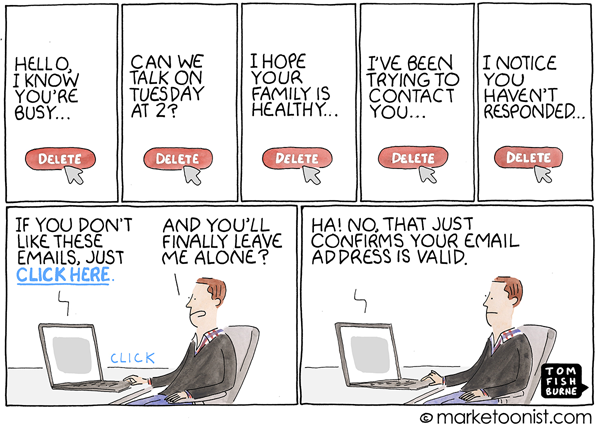
    Twitter has released a new advertising option that will allow marketers the ability to include up to six videos or images in a new carousel ad format, Twitter recently announced. The firm also released accompanying statistics showing that testing of the new format resulted in a 15 percent greater click-through-rate on average. Mobile Marketer

    Facebook Tests New Options to Add Motion Effects to Still Images in Feed
    Facebook has tested new visual effect options that add several video-like motion elements to static imagery, with the new image movement features differing from the social media giant’s existing simulated 3D and animated image options. Social Media Today


    Research: Small Wins Can Make a Big Impact on Gender Equality
    The Harvard Business Review takes a look at some of the methods that can help in closing the perception gap, along with recently released health technology industry survey data examining how people can work towards being on the same gender equality page. Harvard Business Review


    The 2021 B2B Buying Disconnect [Report]
    46 percent of B2B technology buyers have felt that there are too many social media ads, with 30 percent noting that they prefered targeted ads, according to recently-released B2B buyer survey data. The report also showed that the most trusted sources of information buyers use include product demonstrations, vendor product websites, and user reviews. TrustRadius


    ON THE LIGHTER SIDE:


    2020 November 13 Marketoonist ComicA lighthearted look at “lead nurturing isn’t a numbers game” by Marketoonist Tom Fishburne — Marketoonist

    Amid the Uncertainty, There’s Room for Levity in Ads — ANA


    TOPRANK MARKETING & CLIENTS IN THE NEWS:


    • Lane R. Ellis / TopRank Marketing — Can You Create a Meaningful Experience in a Virtual Conference? — Timothy Hughes

    Have you found your own favorite B2B marketing story from the past week of industry news? Please let us know in the comments below.


    Thank you for joining us for our weekly B2B marketing news, and we hope that you will return again next Friday for another round-up of the most relevant B2B and digital marketing industry news. In the meantime, you can follow us at @toprank on Twitter for even more timely daily news.


    The post B2B Marketing News: B2B Buying Disconnect Study, Google’s SERP Video Carousels, B2B Event ROI Data, & Instagram’s New Story Reactions appeared first on B2B Marketing Blog – TopRank®.


  • B2B Marketing News: B2B Marketers Face Rising Content Demands, Google’s Mobile Voice Assistant, Performance Marketing Budgets Grow, & The Hyper-Relevant Ad Balancing Act

    B2B Marketing News: B2B Marketers Face Rising Content Demands, Google’s Mobile Voice Assistant, Performance Marketing Budgets Grow, & The Hyper-Relevant Ad Balancing Act

    B2B marketers are struggling to produce enough content amid the pandemic
    35 percent of B2B marketers have trouble producing the content needed to reach and engage audiences, while 68 percent are confident with their approach to content marketing, and only some 8 percent said they were able to attribute return on investment (ROI) to their content plan, according to recently-released survey data. The Drum

    Google Launches Updated Google Analytics, Including Improved Reporting and Data Tracking Options
    Google has given a significant overhaul to its popular Google Analytics website traffic analysis platform, adding a smarter artificial intelligence (AI)-infused approach including new insights such as churn probability and a variety of additional new predictive metrics, the search giant recently announced. Social Media Today

    WordPress can now turn blog posts into tweetstorms automatically
    WordPress has rolled out a new feature that allows entire posts created in the content management system to be shared and discussed on Twitter, including accompanying images and video, with support for multiple Twitter accounts, the firm recently announced. TechCrunch

    Facebook & Instagram Drop Support For WordPress Embeds
    Facebook and its Instagram platform will both cease supporting the traditional and widespread form of WordPress embedding, as unauthenticated embeds won’t work after an October 24 API update — a change aimed at driving publishers to create Facebook Developer accounts and use the oEmbed embedding format, Facebook announced recently. Search Engine Journal

    Marketers Got Hyper-Relevant Advertising Messages Wrong, Study Finds
    Brands achieve a 26.7 percent higher chance of gaining new customers when they target using a goal-driven advertising message mindset compared to an item-driven one, according to recently-released survey data that points out possible consequences of overly-specific ad targeting. MediaPost

    Google Podcasts Manager shows you search impressions and clicks from Google Search
    Google has launched a podcast performance monitoring and reporting system — Google Podcasts Manager — that shows how people find podcasts and what their listening habits are, among other new podcast-related data, Google recently announced. Search Engine Land

    2020 October 16 Statistics Image

    Key Takeaways From Congress’ Digital Competition Report
    Amazon, Apple, Facebook and Google are being urged to implement changes that would promote increased interoperability when it comes to digital advertising, and Adweek takes a look at some of the findings from the nearly 450-page U.S. House Judiciary Committee’s Antitrust Subcommittee report. Adweek

    YouTube Tests Product Tags in Selected Creator Videos as Part of Larger Shift Towards eCommerce
    YouTube has begun testing interactive product tags within certain videos, including new integration with Shopify that could lead to more streamlined clickable products within video content, the video giant recently announced. Social Media Today

    Google Assistant Opens, Searches, Completes Functions In Mobile Apps Using Voice
    Google has enhanced its Google Assistant service with new voice search features for users of Android apps, including functionality to post to social media platforms, the firm recently announced. MediaPost

    Performance Marketing Budgets to Increase as Marketers Chase ROI
    42 percent of B2B marketers plan to increase budgeting for performance marketing initiatives by up to 20 percent over the next year, and 18 percent say they will increase those budgets by over 20 percent — two of several items of interest to digital marketers in recently-released survey data. MarketingCharts

    ON THE LIGHTER SIDE:

    2020 October 16 Marketoonist Comic

    A lighthearted look at “product choice overload” by Marketoonist Tom Fishburne — Marketoonist

    Coworker’s Sly Smile In Zoom Meeting Suggests Separate Chat Happening Right Now — The Onion

    TOPRANK MARKETING & CLIENTS IN THE NEWS:

    • Lee Odden — Roundup Debate on why people follow influencers — DearMishuDad
    • Lee Odden — The Employees as Influencers – Insights from Adobe — Jason Falls
    • Nick Nelson — 10 Important Building Blocks for Small Business Success — Small Business Trends
    • Lee Odden / TopRank Marketing — The State of B2B Influencer Marketing [Research] — V3Broadsuite

    Have you found your own top marketing stories from the past week of industry news? Please let us know in the comments below.

    Thank you for taking the time to join us for the weekly B2B marketing news, and we hope that you will come back again next Friday for another look at the most relevant B2B and digital marketing industry news. In the meantime, you can follow us at @toprank on Twitter for even more timely daily news.

    The post B2B Marketing News: B2B Marketers Face Rising Content Demands, Google’s Mobile Voice Assistant, Performance Marketing Budgets Grow, & The Hyper-Relevant Ad Balancing Act appeared first on B2B Marketing Blog – TopRank®.