Category: Social Media !

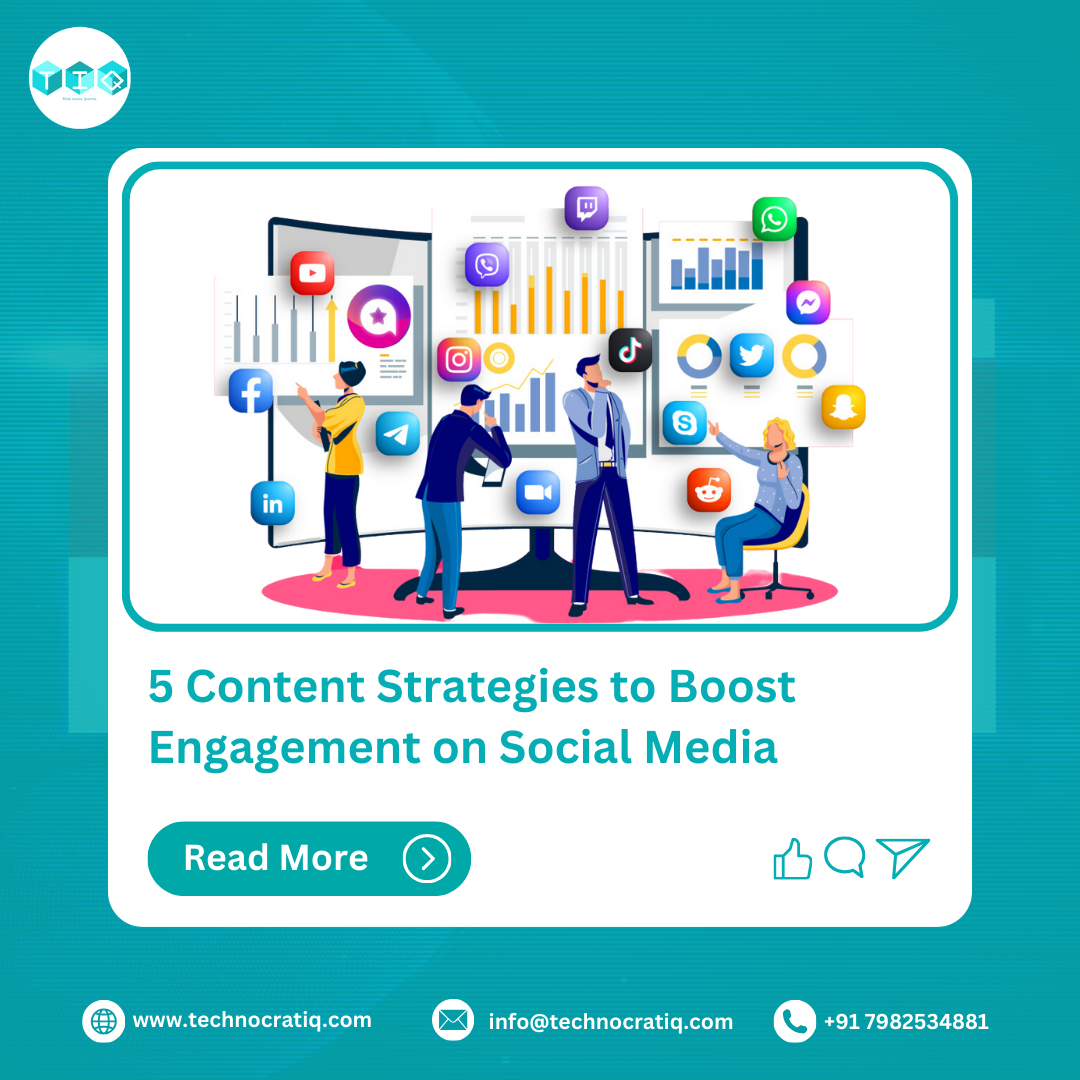
  • 5 Proven Content Strategies to Skyrocket Your Social Media Engagement

    5 Proven Content Strategies to Skyrocket Your Social Media Engagement

    Introduction

    For any brand, social media engagement is the lifeblood, not just posting regularly but posting the right things. Properly planned engagement-based content strategy can transform how audiences perceive and connect with your brand. Check out these five proven, practical strategies that’ll help elevate your social media engagement to new heights, so your brand shines brightly in the digital playground.

    1. Use Visual Storytelling

    People are naturally drawn to visuals. That is part of why Instagram, Pinterest, and TikTok are thriving platforms. Here’s how you make the most out of this visual storytelling approach.

    Keys to Success

    • Use high-quality images and videos: Invest in the best tools or professionals to ensure that your images come out sharp, clean, and fascinating.
    • Create Stories That Resonate: Instead of simply showcasing products, share their journey or user experiences. For instance, a before-and-after story using your product can make your audience feel connected.
    • Heavily incorporate Memes and GIFs: This lighthearted content humanizes the brand and pushes shares, especially on Twitter.

    Example:

    A fashion brand might create a timelapse video from the sketch by a designer all the way to how the outfit eventually looks. That gels well with the philosophy of Technocratiq Digital: “Visual storytelling is the art of leaving a lasting impression.”

    2. Publish Interactive Content

    Thus, interactive content is always something that encourages the audience to take part rather than simply watch. They feel part of the conversation, and it increases social media engagement.

    Types of Interactive Content

    • Use Instagram Stories or LinkedIn polls to ask questions regarding preferences, opinions, or trends.
    • Contest and Giveaway: Promote them to tag friends, share the posts, or even follow your page by rewarding small tasks with good prizes.
    • Live Q&A sessions: Hold live events to interact with your audience face-to-face, ask them questions, and elicit feedback from them.

    It Works Because

    This increases the chances of real connections and allows the algorithm to identify your content with relevance. When your audience engages with it, so will their friends and followers who then see your posts, making it organically amplified.

    3. Consistency with excellence

    Consistency and quality: two sides of the same coin. If you want engagement, you have to keep posting and ensure that every post adds value to your audience.

    How to Maintain Consistency

    • Create a Content Calendar: This is planning posts weeks ahead to ensure consistency.
    • Quality, not Quantity: Fewer messages are usually better but of greater richness and quality.
    • Theme Tie: Understand what makes for a cohesive tone, color palette, or aesthetic reflecting your brand’s personality.

    Pro Tip

    Technocratiq Digital advises to keep balance between consistency and variation. Keep changing up your subject matter or niche, presenting various formats that engage an audience from carousels, reels, infographics, and stories.

    4. Humanize Your Brand

    Authenticity cuts across a sea of algorithms. Authenticity has helped humanize a brand and develop trust and connection with the audience.

    Ways to Humanize:

    • Show the Behind-the-Scenes Content: How your products are made; team celebrations; or day-to-day office fun.
    • Focus on User-Generated Content (UGC): Share testimonies, reviews, or creative posts by your customers.
    • Share Your Story: The world loves a good origin story. Tell us about the struggle of launching your company or product.

    Example

    • A bakery may tell the history behind its best-selling cake and thank a customer for having the idea for the recipe
    • At Technocratiq Digital, we recognize the supremacy of authentic branding. Authentic storytelling is one great way to ensure that people actually stick with it and bring in more followers.

    5. Analyze and Adapt

    Even the most creative strategies won’t work if they’re not data-driven. Analyzing performance metrics helps refine your content strategy for engagement and ensures your efforts align with your audience’s preferences.


    Metrics to Monitor:

    • Engagement Rates: Look at likes, shares, and comments to understand which posts resonate.
    • Reach and Impressions: Measure how many people see your content.
    • Click-Through Rates (CTR): Determine if your call-to-action (CTA) is effective.

    Tools to Use:

    • Social Media Analytics: Leverage the built-in analytics features available in Facebook Insights or Instagram Analytics.
    • Third-Party Platforms: Utilize Hootsuite or Buffer, for instance, which provides more comprehensive insights.

    Strategy Finesse

    Use these numbers to double down on what works and dump what doesn’t. If videos are performing better than static images, allocate more resources to video production.

    Conclusion: 

    Change Your Social Media Engagement : A winning content strategy requires plenty of time, creativity, and continuous effort. Through visual storytelling, posting interactive content, consistency, humanizing the brand, and analysis of performance, one can actually gain impressive social media engagement and sustain a connection with the audience for a long time.

    Call-to-Action:

    Want to implement those strategies and watch your engagement skyrocket? Technocratiq Digital provides custom content strategy creation that brings measurable results for you. Contact us today to take your social media game to the next level! Visit our website to get started.

    Get in Touch with Us!

    Phone: +91 7982534881 

    Mobile: +91 99711 50579

    Email: info@technocratiq.com

    Whatsapp Us Now! – 7982534881


    Book Your Free Consultation Slot Today and take the first step towards a brighter, more successful digital future with TIQ Digital.

    Let TIQ Digital help you climb the search engine ranks and establish your business as an industry leader in 2025 and beyond.
  • From Zero to Viral: Growing a Local Business’s Social Media Following by 500% in Half a Year

    From Zero to Viral: Growing a Local Business’s Social Media Following by 500% in Half a Year

    Introduction 

    Any local business looking to expand their reach in their community today has to have an extremely strong social media presence. For Technocratiq Digital, this was a no-brainer: How do we help a local business not just build a social media presence from the ground up, but get it growing exponentially? The following is a case study of how we contributed to increasing a local business’s social media following from zero to 500 percent in six months.

    The Challenge: A Local Business with Minimum Online Presence. A small local business approached us at Technocratiq Digital. This firm’s presence on social media was extremely poor, the firm was followed by far fewer accounts, and in turn had hardly enough time, money, or the needed expertise to make those rounds and engage in efficient manners. The business just couldn’t reach people through a virtual platform to fill up the gap in its overall marketing endeavors.

    Opening Statistics:

    Followers: Less than 200 on all the social media platforms

    • Engagement Rate: Less than 1%
    • Less than five postings per month: Random posting
    • Target Market Local community, by age, interest, and location.

    The company was very strong offline because it had customers who kept on coming back and also a community connection. The strength did not translate in the online space. Knowing this, Technocratiq Digital aimed to create an elaborate growth social media strategy for increasing followers for local businesses that not only build followers but also encourage engagement and conversion.

    Step 1: Understanding the Audience

    Understanding the target audience of the local business was critical before tactics. Who are they trying to reach? What types of social media are most relevant and resonate with their market? This research phase set the ground for the social media strategy for local businesses. We conducted questionnaires and analyzed their current customer base to profile the ideal follower.  Primarily young adults aged 25–45 years and interested in lifestyle products. I used Facebook and Instagram the most often of all the social media sites.

    • Content Preference: Fans liked the photo and video posts more than the wordy ones.

    That valuable information helped them come up with a strategy good enough to be felt by target audiences and eventually grow through social media.

    Step 2: Setting SMART Goals

    At Technocratiq Digital, we believe in using SMART goals to track one’s progress and ensure one achieves the set goals. For this campaign, the following objectives were set.

    • Increase followers for local businesses by 500% in six months.
    • Engage at least 5% of your audience by the end of Month 4.
    • Posting is frequent, with at least 4 good posts per week.
    • Deliver at least 100 new website visitors per week from social media by Month 6.

    Along with objectives, we were able to come up with a well-focused path that led us to success.

    Step 3: Crafting the Content Strategy

    Any growing social media following campaign depends on content. Here, for this local firm, Technocratiq Digital developed a very interesting content calendar. There were three types of content used here in this campaign:

    • We placed local events, influencers, and customer stories under the spotlight to build the brand on the back of a community.
    • Product Showcases: Hauls A high-quality picture and video of what the company sells was posted regularly. Each of these posts is optimized with meaningful hashes and geotags to get discovered easily.
    • Interactive Content: Surveys, Q&A sessions, and giveaways were added to the strategy to create interaction and maximize engagement rates.
    • Hashtags and geotags
      We optimized the posts using location-based hashtags and geotags to further expand the social media following. This attracted local followers who were most likely to visit the physical store. We used trending hashtags relevant to the local market for increased visibility of the posts.
    • User-Generated Content
      Users creating content is what would mostly make this platform successful for trust and authenticity building. We encourage the customer to post his experience under the branded hashtag, including the tag of the business. All those posts will be shared to the business’s social media page.

    Step 4: Paid Social Media Advertising

    • Organic growth is needed. But paid advertising can expedite the process much faster. Technocratiq Digital harnessed Facebook and Instagram ads, advertising events, and promotions in the neighborhood, using the following advert strategies:
    • Lookalike Audiences: We created lookalike audiences using existing customer data targeting people with similar demographics and interests, ensuring our ads were relevant to potential followers.
    • Engagement Ads Engagements were ads aimed at promoting like, comment, and share actions, thus increasing the visibility of the business’s social media pages.
    • Lead Generation Ads: The lead generation ads led more traffic to the website while helping capture leads for follow-through in the future.

    Step 5: Consistent Engagement and Community Building

    • Building a loyal community is just as important as increasing the follower count. Technocratiq Digital ensured that the local business interacted consistently with its audience by:
    • Responding to every comment and message.
    • Engaging with local influencers and collaborating on social media takeovers.
    • Sharing behind-the-scenes content that gave followers a glimpse into the business’s day-to-day operations.

    By actively participating in conversations, we humanized the brand, making it more approachable and relatable. This fostered a community of loyal followers who not only engaged with content but also became brand advocates.

    Step 6: Tracking and Optimization

    No social media strategy for local businesses can be said to be full without tracking results and optimizing based on performance. It used tools such as Google Analytics, Facebook Insights, and Instagram Analytics for performance monitoring in real-time. It tracked metrics like:

    • Follower Growth: Followers increase month on month.
    • Engagement Rate: Likes, comments, shares, and interactions per post.
    • Website Traffic: Number of visitors driven to the business’s website from social media.
    • Conversion Rate: Percentage of social media followers who became paying customers.

    Through ongoing analysis, we refined our strategy, focusing more on what worked (e.g., interactive content, and product showcases) and minimizing what didn’t perform as well.

    The Results: Exceeding Expectations

    After six months of executing our growing social media following strategy for local businesses, the results were impressive:

    • Follower Growth: We increased the business’s social media following by 500%, from under 200 to over 1,200 highly engaged followers.
    • Engagement Rate: The engagement rate skyrocketed to 7%, exceeding our initial 5% goal.
    • Website Traffic: Social media alone drove the biggest traffic averages of 150 new weekly visitors.
    • Conversion Rate: Footfall in the store was up by 25% and additionally through online sales; now that is what one would call engagement and converting.

    Key Takeaways

    • Understanding your audience is crucial for creating relevant content and targeting the right people. The more you know about your followers, the better you can tailor your social media strategy for local businesses.
    • Consistency and quality content go hand in hand. Posting regularly and ensuring that each post is engaging and adds value is essential for organic growth.
    • Paid ads can accelerate growth, especially when paired with well-defined audience targeting. Even a modest advertising budget can yield significant results.
    • Community building is key. Engaging with followers, responding to comments, and encouraging user-generated content foster a loyal community that supports your brand long-term.

    Conclusion: Going from Zero to Viral

    For example, through a more research-intensive and strategic plan for six months, Technocratiq Digital grew the small local business’s followers to 500%. With relevant combined content, paid adverts, and community engagement, for me, we changed the languid presence on social media into a virtual society that is active.


    If you’re looking for ways to increase the size of your social media following and reach new customers, then a customized approach designed for your business is paramount. Technocratiq Digital has the experience and resources to help increase followers for local businesses to thrive online. Contact us today to see how we can take your social media to the next level!

    Get in Touch with Us! – link it to the free quote page

    Phone: +91 7982534881 

    Mobile: +91 99711 50579

    Email: info@technocratiq.com

    Whatsapp Us Now! – 7982534881

    Book Your Free Consultation Slot Today – https://calendly.com/technocratiq/60min


  • Fastvertising 101: Turbocharge Your Marketing in Minutes

    Fastvertising 101: Turbocharge Your Marketing in Minutes

    Explore the world of Fastvertising and discover how to achieve impactful results in the blink of an eye. Learn the secrets of quick and effective marketing strategies.

    The Need for Speed in Marketing

    In the dizzying whirlwind of today’s digital age, where attention spans are shorter than ever and trends change with the swipe of a thumb, one word has become the mantra of successful marketers: speed. It’s not just about keeping up; it’s about racing ahead. In this relentless race, the concept of Fastvertising emerges as the turbo boost that propels your marketing efforts from the starting line to the finish in mere minutes.

    Picture this: Your potential customers are scrolling through their social media feeds, bombarded by a torrential downpour of content. In the time it takes to blink, they’ve formed an impression, made a judgment, and scrolled on. The question is, did your message catch their eye? Did it linger in their mind? In a world where seconds count, Fastvertising is the art of making every moment matter.

    Fastvertising: Where Speed Meets Substance

    Fastvertising isn’t just about being fast for the sake of it. It’s about being agile, responsive, and hyper-relevant in an era where information travels at the speed of light. It’s the fusion of marketing expertise and real-time action, a dynamic dance where strategy meets execution in the blink of an eye. It’s the difference between being a participant in the conversation and being the one who starts it.

    The goal of this blog post is simple yet profound: to equip you with actionable strategies for not just keeping pace but leading the race in today’s fast-paced marketing landscape. It’s about grabbing attention, retaining it, and leaving an indelible mark on your audience—all in a matter of minutes.

    Why Speed Matters: The Attention Economy

    We live in an attention economy, where attention is the scarcest and most valuable commodity. Your audience is inundated with choices, flooded with information, and bombarded by advertisements. If you hesitate for even a moment, if your message isn’t lightning-fast and laser-focused, you risk being lost in the digital noise.

    In the pages that follow, we’ll unravel the principles, tools, and strategies that make Fastvertising not just a buzzword but a game-changer. We’ll explore how to harness real-time data, craft personalized messages, and leverage cutting-edge technologies to reach your audience swiftly and effectively.

    Fasten your seatbelt, for in the world of Fastvertising, there’s no time to waste. It’s a world where opportunities are fleeting, and success goes to the swift. Join us on this exhilarating journey through the heart of Fastvertising, where speed is the currency and relevance is the key. Together, we’ll navigate the ever-accelerating marketing landscape and emerge as pioneers of the marketing revolution.

    Understanding Fastvertising

    In the digital age, where change is the only constant and attention spans resemble fleeting shooting stars, understanding Fastvertising is not just essential—it’s imperative for marketers aiming to stay ahead in the race for consumer engagement.

    Defining Fastvertising: The Need for Speed
    Fastvertising, at its core, is a strategic approach to advertising and marketing that places an immense emphasis on speed, responsiveness, and relevance. It’s about swiftly identifying opportunities, crafting compelling messages, and deploying them in real-time or near-real-time to connect with your audience at the precise moment when they are most receptive.

    This concept has evolved as a direct response to the dynamics of the digital era. The term “Fastvertising” encapsulates the essence of marketing in a world where trends, news, and consumer sentiment can change in seconds. It’s not just about quick execution; it’s about quick thinking, adapting, and capitalizing on the moment.

    Traditional Advertising in a Fast-Paced World: The Pitfalls
    To truly appreciate Fastvertising, it’s essential to contrast it with traditional advertising methods. While traditional advertising has its merits and is still relevant in certain contexts, it inherently falls short in a fast-paced world for several reasons:

    1. Lack of Real-Time Adaptation: Traditional advertising often involves lengthy planning, production, and distribution cycles. By the time a traditional campaign goes live, the landscape may have already shifted, rendering the message less relevant or even obsolete.

    1. Inability to Address Micro-Moments: In today’s digital world, consumers experience micro-moments—brief instances when they turn to their devices for quick answers, solutions, or entertainment. Fastvertising capitalizes on these micro-moments by delivering timely and relevant content.

    1. Missed Engagement Opportunities: Traditional advertising often follows a one-way communication model. In contrast, Fastvertising thrives on engagement, interaction, and real-time feedback, allowing brands to build meaningful connections with their audience.

    The Essence of Agility and Responsiveness in Marketing

    At the heart of Fastvertising lies the twin pillars of agility and responsiveness. Agility means being nimble, adaptable, and open to change. In the context of marketing, it involves the ability to pivot quickly in response to shifts in consumer behavior, emerging trends, or unforeseen events.

    Responsiveness, on the other hand, is about promptly acknowledging and addressing the needs, preferences, and concerns of your audience. It’s the ability to listen, analyze data, and craft messages that resonate with your audience at the right time.

    In the pages ahead, we will delve deeper into how to cultivate these essential qualities within your marketing strategy. We’ll explore the tools and techniques that empower Fastvertising efforts, enabling you to not only keep pace with the speed of change but also lead the way in the dynamic world of digital marketing.

    The Key Principles of Fastvertising

    In the realm of Fastvertising, there are foundational principles that underlie its effectiveness. These principles are the bedrock upon which quick and impactful marketing campaigns are built. Let’s delve into these core principles that enable Fastvertising to not only keep up with the pace of the digital age but also set the pace.

    1. Real-Time Data Analysis: The Pulse of Fastvertising

    Fastvertising thrives on data, and more importantly, on real-time data analysis. In a world where trends and consumer behaviors can change by the hour, the ability to monitor, interpret, and act upon data instantaneously is paramount.

    • Instant Insights: Real-time data analysis provides immediate insights into how your audience is responding to your campaigns. It helps you understand what’s working, what’s not, and where adjustments are needed.

    • Agile Decision-Making: Armed with real-time data, Fastvertising allows marketers to make agile decisions. If a campaign isn’t resonating with the audience, you can pivot swiftly and adjust your strategy, messaging, or targeting.

    • Capitalizing on Trends: With the ability to spot emerging trends in real time, you can capitalize on opportunities before they peak and stay ahead of competitors.

    2. Customer Insights: The North Star of Fastvertising

    Fastvertising doesn’t just involve pushing out content quickly; it’s about delivering content that matters to your audience. Understanding your customers on a deep level is non-negotiable.

    • Personalization: Personalization is at the heart of Fastvertising. It’s about tailoring your content to individual preferences and behaviors. Real-time customer insights enable you to deliver content that speaks directly to each person’s interests.

    • Relevance: Relevance goes hand in hand with personalization. When your messaging is relevant to the moment, the location, and the specific needs of your audience, it captures their attention and encourages engagement.

    • Building Relationships: Fastvertising isn’t a one-off interaction; it’s about building relationships. By using customer insights in real time, you can foster ongoing engagement, loyalty, and advocacy.

    3. Speed with Quality: Striking the Right Balance

    While speed is a defining characteristic of Fastvertising, it should never come at the expense of quality. In fact, maintaining a high standard of quality is one of the key principles.

    • Content Excellence: Even in the fastest of campaigns, your content should be well-crafted, error-free, and visually appealing. Quality content is more likely to engage and convert.

    • Consistency: Consistency in branding, tone, and messaging across all channels is vital. It helps build a strong and recognizable brand identity.

    • Ethical Considerations: Fastvertising should always adhere to ethical marketing practices. Respecting customer privacy and maintaining transparency are principles that cannot be compromised.

    In the world of Fastvertising, it’s not just about being fast; it’s about being fast with purpose and precision.

    The ability to harness real-time data, deliver personalized and relevant content, and maintain high-quality standards are the principles that allow Fastvertising to be a powerful force in modern marketing. In the next section, we’ll explore the tools and technologies that enable marketers to put these principles into action effectively.

    Tools and Technologies for Fastvertising

    Technology

    Role in Fastvertising

    Examples of Successful Campaigns

    1. Marketing Automation

    – Streamlines repetitive tasks like email marketing, social media scheduling, and lead nurturing. – Enables personalized messaging at scale.

    HubSpot’s automated email workflows for real-time lead nurturing.

    – Mailchimp’s automated social media posting for timely engagement.

    2. Artificial Intelligence (AI)

    – Analyzes vast data sets in real time for insights and predictions. – Powers chatbots for instant customer interaction.

    Netflix’s recommendation engine offers personalized content suggestions.

    ChatGPT-powered chatbots provide instant answers on websites.

    3. Data Analytics Tools

    – Provides real-time data analysis for decision-making. – Identifies trends, customer behavior, and campaign performance.

    Google Analytics offers instant insights into website traffic and user behavior.

    – Social media analytics tools help optimize content strategy on the fly.

    4. Programmatic Advertising

    – Automates ad buying in real time, optimizing ad placement for maximum impact.

    Nike’s programmatic ad campaigns dynamically target audiences based on real-time data like weather and sports events.

    – Coca-Cola’s programmatic campaign served personalized ads to millions of individuals.

    5. Content Management Systems (CMS)

    – Streamlines content creation, publication, and distribution. – Facilitates real-time updates and personalized content delivery.

    WordPress offers real-time content updates and personalization through plugins.

    Drupal’s CMS enables agile content management for fast marketing changes.

    Role of Automation, AI, and Data-Driven Decision-Making:

    • Automation: Automation tools expedite marketing processes, allowing brands to respond rapidly to changing situations. For instance, automated email workflows can deliver timely messages during flash sales, and automated social media posting ensures content is shared when the audience is most active.

    • AI: AI-driven analytics provide real-time insights into customer behavior and preferences. This data guides marketing decisions, such as when to send personalized messages or adjust ad targeting. AI-powered chatbots engage customers instantly, providing information and assistance around the clock.

    • Data-Driven Decision-Making: Data analytics tools enable marketers to make informed decisions on the fly. Real-time data analysis identifies trends, helping brands fine-tune their strategies. For example, social media analytics tools offer immediate feedback on the performance of posts, enabling rapid adjustments.

    Examples of Successful Fastvertising Campaigns Driven by Technology:

    1. Netflix’s Recommendation Engine: Netflix uses AI to analyze user viewing habits in real time. This data drives personalized content recommendations, ensuring that viewers discover new shows and stay engaged.

    1. ChatGPT-Powered Chatbots: Websites that employ ChatGPT-powered chatbots provide instant answers to user queries, enhancing user experience and retaining visitors by addressing their needs promptly.

    1. Nike’s Programmatic Advertising: Nike’s programmatic ad campaigns dynamically target audiences based on real-time data, such as local weather and sports events. This strategy maximizes ad relevance and engagement.

    1. WordPress and Agile Content Management: Websites powered by WordPress can make real-time content updates and deliver personalized content through plugins. This enables brands to respond swiftly to changing trends and events.

    1. Google Analytics: Google Analytics offers real-time insights into website traffic and user behavior. Marketers can use this data to adjust content strategies, targeting, and ad placements in the blink of an eye.

    These tools and technologies form the backbone of Fastvertising, enabling marketers to stay agile, responsive, and relevant in the fast-paced digital landscape. By harnessing their power, brands can not only keep pace with change but lead the race in the world of modern marketing.

    Crafting a Fastvertising Strategy

    In the world of Fastvertising, time is of the essence. Crafting a strategy that allows for quick and effective marketing requires a well-defined process. Here’s a step-by-step guide to creating a Fastvertising strategy, complete with real-world tools and their website links:

    1. Real-Time Audience Segmentation and Targeting

    • Step 1: Identify Your Audience in Real-Time

      • Use real-time analytics to identify the current audience on your website or social media platforms.

    • Step 2: Segment Your Audience Dynamically

      • Create dynamic audience segments based on real-time behavior, such as pages visited, content consumed, or actions taken.

    • Step 3: Tailor Content for Real-Time Segments

      • Use email marketing tools to send personalized messages to specific audience segments based on real-time behavior.

    2. Rapid Content Creation

    • Step 4: Create a Content Calendar

      • Develop a content calendar that outlines topics, formats, and deadlines for rapid content creation.

    • Step 5: Utilize AI-Powered Content Generators

      • Employ AI-driven content generators to draft initial content quickly.

    • Step 6: Human Editing and Optimization

      • Have a human editor review and optimize content generated by AI for quality, tone, and relevance.

    3. Real-Time Content Deployment

    • Step 7: Automate Social Media Posting

      • Automate social media posts to go out at optimal times for engagement.

    • Step 8: Utilize Push Notifications

      • Implement push notifications on your website to instantly alert users about new content or offers.

    • Step 9: Monitor and Adjust in Real-Time

      • Continuously monitor the performance of your content and campaigns. Make real-time adjustments based on data.

    4. Instantaneous Feedback and Engagement

    • Step 10: Enable Live Chat

      • Incorporate live chat on your website for instant customer interaction.

    • Step 11: Gather and Analyze Feedback

      • Collect real-time feedback from customers through surveys and analyze it to refine your strategies.

    • Step 12: Respond and Adapt Quickly

      • Use customer support software to respond to inquiries rapidly and make real-time improvements based on feedback.

    5. Test and Optimize Continuously

    • Step 13: A/B Testing in Real Time

      • Conduct A/B tests on website elements, headlines, or ad variations in real-time to determine the most effective options.

    • Step 14: Data-Driven Decision-Making

      • Utilize data visualization tools to gain insights and make data-driven decisions instantly.

    • Step 15: Scale Successes and Adjust Failures

      • Allocate budget and resources to campaigns that show real-time success, and pivot or pause those that underperform.

    By following this step-by-step guide, you can create a Fastvertising strategy that thrives on agility, personalization, and real-time responsiveness. These tools and practices enable marketers to seize opportunities swiftly and stay ahead in the fast-paced world of modern marketing.

    Case Studies: Real-World Fastvertising Success

    Let’s explore real-world examples of brands that have not only embraced Fastvertising but have excelled in it. We’ll analyze their strategies, pinpoint what made them effective, and extract key takeaways that you can apply to your own marketing efforts.

    1. Oreo’s “Dunk in the Dark” Super Bowl Moment

    The Strategy: During the 2013 Super Bowl, the lights suddenly went out in the stadium. In a matter of minutes, Oreo’s marketing team sprang into action, creating a tweet that read, “Power out? No problem. You can still dunk in the dark.”

    What Made It Effective:

    • Speed: Oreo responded almost immediately, capitalizing on a real-time event.

    • Simplicity: The message was concise and relevant to the moment.

    • Creativity: It showcased Oreo’s brand personality and sense of humor.

    Key Takeaway: Fastvertising isn’t just about planning; it’s about seizing unplanned moments and being creative in real-time.

    2. Red Bull’s Stratos Space Jump

    The Strategy: In 2012, Red Bull sponsored Felix Baumgartner’s record-breaking freefall from the stratosphere. They live-streamed the jump on YouTube, engaging millions of viewers worldwide.

    What Made It Effective:

    • Real-Time Engagement: Red Bull harnessed the power of live streaming to connect with audiences in real-time.

    • High-Stakes Drama: The event was high-stakes, creating an adrenaline rush that kept viewers engaged.

    • Sharing Power: Viewers shared the event across social media, creating viral buzz.

    Key Takeaway: Live events and real-time content can create unparalleled engagement and buzz.

    3. Wendy’s Twitter Roasts

    The Strategy: Wendy’s Twitter account became famous for its witty and sometimes snarky responses to customer tweets and even competitors. They used humor and quick replies to engage and entertain.

    What Made It Effective:

    • Responsiveness: Wendy’s was consistently quick to respond, creating a sense of real-time interaction.

    • Personality: The brand’s unique voice and sense of humor set it apart.

    • Shareability: Customers and followers eagerly shared Wendy’s tweets, expanding their reach.

    Key Takeaway: Personality-driven Fastvertising can build a strong brand identity and foster engagement.

    4. Tide’s Super Bowl Stain

    The Strategy: During the 2018 Super Bowl, Tide ran a series of ads that appeared to be other types of commercials, only to reveal they were all Tide ads, reinforcing the idea that “Every Ad is a Tide Ad.”

    What Made It Effective:

    • Surprise Element: Tide’s approach was unexpected and kept viewers engaged.

    • Integration: They leveraged a major event to create real-time relevance.

    • Repetition: The campaign reinforced its message throughout the game, leaving a lasting impression.

    Key Takeaway: Leveraging major events and creating memorable moments can make your brand synonymous with a particular concept or idea.

    5. Domino’s “Pizza Turnaround” Campaign

    The Strategy: In 2010, Domino’s ran an advertising campaign admitting their pizza was not up to par. They promised to make it better and invited customers to try the new recipe.

    What Made It Effective:

    • Transparency: Domino’s openly acknowledged its shortcomings.

    • Real-Time Response: The campaign was quick to follow the promise with action.

    • Customer Involvement: Inviting customers to taste the change created engagement and buy-in.

    Key Takeaway: Authenticity, transparency, and swift action can rebuild trust and loyalty.

    Conclusion: Key Takeaways for Your Fastvertising Strategy

    1. Embrace Real-Time Events: Be ready to respond to real-time events or opportunities that align with your brand.

    1. Leverage Live Content: Use live streaming and real-time content to engage and connect with your audience.

    1. Develop a Unique Voice: A distinctive brand personality and voice can set you apart in real-time interactions.

    1. Create Memorable Moments: Use major events or unexpected approaches to create memorable marketing moments.

    1. Be Transparent and Authentic: Honesty and transparency can build trust and loyalty in real-time.

    These case studies illustrate the power of Fastvertising when executed effectively. By applying these key takeaways, you can infuse agility, creativity, and responsiveness into your marketing strategy, ensuring that you not only keep up with the pace but also lead the race in the fast-paced world of modern marketing.

    Conclusion: Fastvertising – Your Competitive Edge

    In the relentless race for consumer attention in the digital age, Fastvertising emerges as your secret weapon, your competitive edge. Throughout this blog post, we’ve unraveled the core principles, tools, and real-world case studies that showcase the transformative power of Fastvertising. But there’s more to discover, especially when you partner with TIQ Digital.

    TIQ Digital: Your Fastvertising Ally

    At TIQ Digital, we understand that staying ahead in the ever-evolving marketing landscape requires agility, creativity, and real-time responsiveness. We are your partners in the pursuit of Fastvertising excellence, and we have the tools, expertise, and passion to help your brand thrive in the digital age.

    Why Choose TIQ Digital for Fastvertising?

    • Expertise: With years of experience in the industry, we’ve honed our Fastvertising skills to perfection.

    • Cutting-Edge Tools: We leverage the latest technologies and tools to ensure your brand remains agile and responsive.

    • Strategic Insight: Our team is armed with strategic insight, enabling us to craft personalized, real-time campaigns that engage and convert.

    We encourage you to take the leap into the world of Fastvertising with TIQ Digital as your trusted guide. Explore the endless possibilities, seize the real-time opportunities, and lead the race for consumer attention.

    For a personalized consultation on how Fastvertising can revolutionize your brand’s marketing strategy, don’t hesitate to contact Mr. Amit Sharma at amit@technocratiq.com. Our team are ready to help you chart a course toward marketing excellence.

    Chat with Us now!!

    Call Us Now..

    Spread the Word!

    Lastly, if you found this blog post insightful, please share it with your network. Click on the social media sharing buttons below and let others in your industry benefit from the wisdom of Fastvertising.

    Thank you for joining us on this journey through the dynamic world of Fastvertising.

    Together, we’ll navigate the ever-accelerating marketing landscape and emerge as pioneers of the marketing revolution!!

  • Using chatbots to improve customer service

    Using chatbots to improve customer service

    As the use of technology in our everyday lives continues to surge, automating customer service is becoming increasingly popular. Chatbots are a type of artificial intelligence (AI) software that can be used to facilitate communication between businesses and customers. This technology has been around for some time but is now rapidly increasing in popularity due to its ability to alleviate the workload of customer service representatives, improve customer satisfaction, and reduce costs for businesses.

    Customer service is often one of the most important parts of any business, as it is responsible for providing timely feedback to customers and resolving their issues. However, providing quality customer service can be expensive and time-consuming for businesses, particularly when dealing with a large customer base. To overcome this, more and more companies are turning to chatbots as a cost-effective solution.

    By utilizing natural language processing and artificial intelligence, businesses can create automated virtual agents that are capable of providing customers with assistance in a more rapid and efficient manner than human customer service representatives. This allows businesses to respond to customer inquiries more quickly, free up staff to focus on more complicated customer issues, and provide a more consistent customer service experience across all channels. Chatbots can be programmed with a variety of capabilities, including responding to frequently asked questions, providing product recommendations, helping customers navigate the website, and more. Additionally, they can be customized to a business’s specific needs, allowing for a more tailored customer service experience.

    Natural language processing or NLP allows Chatbots to automate customer service tasks such as answering basic questions, taking orders, providing information on products and services, troubleshooting issues, as well as scheduling appointments, and tracking orders. Thanks to their AI capabilities, chatbots can understand customer inquiries efficiently and provide accurate responses in a timely manner.

    Using chatbots for customer service has several advantages

    1.  For one, they can be programmed to provide 24/7 customer support and respond instantly to inquiries. This allows businesses to serve customers round the clock without having to hire additional staff or pay overtime wages.

    2.  Additionally, chatbots can handle multiple chats at once, which increases the efficiency and responsiveness of customer service departments.

    3. They also enable businesses to easily collect valuable data about customer behavior and preferences which can be used for marketing purposes.

    4. Moreover, using chatbots eliminates language barriers by allowing customers from different backgrounds and countries access support in their native languages.

    5. Chatbots also improve customer satisfaction by ensuring customers feel heard during interactions with a business’s support team.

    6. Chatbots are easily customizable and can be programmed with your brand’s voice and personality so that customers have a consistent experience when interacting with them.

    7. Finally, chatbots can help businesses save costs since they require minimal setup costs compared to hiring additional employees or outsourcing customer service tasks.

    8. Chatbot software tends to be much cheaper than other automation solutions as well; plus they don’t require payment for overtime or holiday wages like human agents do.

    9. Chatbots can be used to automate repetitive customer service tasks, such as order processing, order tracking, and even customer feedback surveys.

    Overall, the use of chatbots can bring many benefits to businesses looking to improve their customer service strategies. These automated assistants can help businesses save time and money while providing customers with an improved experience by offering 24/7 support in multiple languages. As such, chatbots are a great way for businesses to optimize their customer service operations and stay ahead of the competition.

    They are useful for quick, automated responses and help companies save time and money by eliminating the need for in-person customer service reps. Chatbots also offer customers a personalized experience that can lead to increased customer satisfaction and loyalty. When used correctly, chatbots can greatly enhance customer service in any organization.

    About Technocratiq Digital

    • We are your Brand agents and partners with an unbiased opinion and hawk-eye view to take you to the top.
    • We’re experts in engaging audiences & converting clicks to customers.
    • Our team consists of highly skilled professionals, who have expertise in different niches, provide the best solution and convert your dream into a beautiful reality.
    • We understand the value of web presence for any industry and work hard to manage the overall online ecosystem.

    Contact us today and get started with your Marketing Technology Automation.

  • Successful Social Media Marketing Strategy For Your Business

    Successful Social Media Marketing Strategy For Your Business

    Social media marketing has become one of the most important parts of digital 

    marketing and is a must for any business that wants to stay competitive. With over 5 

    billion social media users worldwide, there are countless opportunities for businesses 

    to reach their target audiences. But with so much competition, it can be difficult to stand 

    out from the crowd. That’s why it’s important to create a successful social media 

    marketing strategy that will help you reach your goals. In this article, we’ll discuss 

    some tips on how to create a successful social media marketing campaign. 

    ●Define your goals: Before starting your campaign, it’s important to know what you 

    want to achieve. Do you want to increase brand awareness, generate leads, or 

    drive sales? Once you have a clear idea of your goals, you can tailor your 

    campaign to meet them. 

    ●Research your audience: To create a successful campaign, you need to 

    understand who your audience is and what they want. Use social media analytics 

    and customer data to get a better understanding of your audience’s 

    demographics, interests, and behavior. 

    ●Research your competitors: Researching and analyzing your competitors is an 

    essential component of any successful social media marketing strategy. By 

    understanding the strategies of your competitors, you can identify opportunities 

    to differentiate yourself and better serve your target audience. You can also learn 

    from their successes and failures, allowing you to develop a more effective social 

    media marketing strategy. To begin researching your competitors, start by 

    gathering information on their social media presence, including what platforms 

    they use, how often they post, and the types of content they share. Additionally, 

    pay attention to the engagement they receive from their followers and the topics 

    they discuss. By understanding your competitors’ social media strategies, you 

    can create a more effective plan for your own social media marketing efforts. 

    ●Choose the right platforms: Not all social media platforms are created equal. 

    Some platforms may be more suited to your business than others, depending on 

    your goals and target audience. For example, Pinterest is great for driving sales, 

    while Facebook is better for lead generation. If you’re targeting a more 

    professional audience, LinkedIn might be a better fit. 

    ●Create compelling content: To engage your audience and achieve your goals, you 

    need to create content that resonates with them. This can include blog posts, 

    videos, infographics, and other types of visual content. Make sure to use visually 

    appealing graphics and headlines that grab attention and clearly communicate 

    your message. A successful social media marketing strategy begins with content 

    creation. By creating content that speaks to your target audience, you can 

    effectively engage them and build relationships with them. Content creation 

    should be tailored to the specific needs of your business and should regularly be 

    updated to ensure that you remain relevant and up-to-date. Additionally, it is 

    important to ensure that your content is optimized for the various social media 

    platforms. By creating content that is tailored to each platform, you can 

    maximize your reach and ensure that your message is heard by your target 

    audience. By utilizing a comprehensive social media marketing strategy, 

    businesses can effectively reach their target audience and promote their 

    message. 

    ●Utilize paid advertising: While organic reach on social media has decreased in 

    recent years, paid advertising can be an effective way to reach your target 

    audience. Experiment with different ad formats and targeting options to find 

    what works best for your business. 

    ●Engage with your audience: Social media is a two-way conversation, so make 

    sure to engage with your followers actively. Respond to comments and 

    messages, ask for feedback, and create polls and quizzes to encourage 

    interaction. 

    ●Social Listening: Social listening tools are an essential part of any successful 

    social media marketing strategy. They enable businesses to monitor 

    conversations about their brand, industry, and competitors, identify customer 

    pain points and respond to customer queries in a timely manner. With the right 

    social listening tools, businesses can gain valuable insights into what their 

    customers are saying and how they feel about their products and services. This 

    insight can then be used to inform their social media marketing strategy and help 

    them to meet the needs of their customers better. Social listening tools also 

    provide businesses with the opportunity to engage with customers proactively 

    and build relationships with them, making them more likely to become loyal 

    customers. 

    ●Analyze and optimize: To improve your social media marketing efforts 

    continually, it’s important to track your progress and analyze the results of your 

    campaigns. Use social media analytics tools to see what’s working and what’s 

    not, and make adjustments as needed. 

    ●Use the right hashtag: Using the right hashtag is a key part of any successful 

    social media marketing strategy. Hashtags are used to categorize content and 

    make it easier for social media users to find what they are looking for. Hashtags 

    also help with engagement, as they allow users to join conversations around 

    topics they care about. Additionally, hashtags can be used to track trends and 

    measure the success of campaigns. They can also be used to increase traffic to 

    a particular website or page. By using the right hashtags, businesses can 

    maximize their reach and engagement on social media, as well as gain valuable 

    insights about their audience. In short, using the right hashtag is essential for any 

    social media marketing strategy. 

    By following these steps, you can create a successful social media marketing campaign 

    that helps you achieve your business goals. Good luck! 

    Technocratiq Digital is an innovative marketing agency that helps businesses of all 

    sizes succeed in the digital age. Our team of experienced professionals specializes in 

    creating social media marketing strategies that are tailored to the unique needs of each 

    client. We understand that every business is different and requires a customized 

    approach to social media marketing. Our team will work with you to develop a strategy 

    that will help you reach your goals and maximize your success. We are committed to 

    helping you achieve success by providing the highest quality services and strategies. 

    With our expertise and knowledge, we can help your business reach its full potential. 

  • How you can leverage the Facebook family of apps for your business?

    How you can leverage the Facebook family of apps for your business?

    The connection between great ideas and clients has never been shorter. There is significantly more fluidity in the global market than it was two decades ago. We now encounter new business models, and technological advancement forming a new economic paradigm– The Fourth Industrial Revolution. The Fourth Industrial Revolution has profound implications on how we do business, and on how we use and create a consumer base driven by communication and connectivity. What this means is small Businesses and established enterprises have a level playing feed due to the democratization of access to marketing tools. 


    In this blog, we cover all of the best tools, resources, and features that can help you grow your game into the future. We emphasize how you can leverage the Facebook family of apps for your businesses. 


    Why you want your business to be in the Facebook family of apps? 

    Here are some mind-boggling statistics for your consideration. There are around 7.7 billion people on earth, out of which 3.8 billion people have access to the internet. 2.7 billion use some Facebook family of apps(referred to FFA). That’s more than 70% of the population!


    Businesses use these massive outreach platforms to connect with and inspire customers through marketing and brand awareness. When your business has its information on FFA, it can use its audience to expand into the community and become a part of it. In this way, businesses can be a better part of the community through new marketing tools that will make a much better and more successful presence in your community and the surrounding areas of social media.


    Facebook has made it very simple for small businesses to engage with their customers and extend their networks. To promote your brand on FFA, you can use apps like Facebook(100 million business pages), Instagram(200 million Instagram users visit at least one business profile daily)  & WhatsApp (50 million business profiles) These incredible advertising mega giants are the perfect way to boost your SEO and increase traffic to your website.  This is powerful because it helps you identify your customers – those who are interested in your products and in your service – show up on your page.


    What can you do to establish your business presence to nearly 3 billion people?

    – Discover, Consider, Transact, Engage 


    Here are some of the brilliant types of paid advertisements you can use to uplift and place your brand among its followers. Facebook offers advertising revenue to your business at a rate of around 18% of sales.


    Facebook- The world’s largest photo-sharing community.


    1. Post Engagement Facebook Ads-  Drive Engagement( likes comments & shares) to a defined audience.
    2. Video Facebook Ads– Educate, inspire, or entertain your audience about your product or service. 
    3. Carousel Facebook  Ads-  Product demos, product highlights, promotion announcement, testimonials, storytelling
    4. Lead Generation Facebook Ads-  Newsletter sign-ups, demo requests, job applications, or event registration.
    5. Collection Facebook Ads- Mini online store, multi-product display, Instant experience
    6. Slideshow Facebook Ads-  USP optimization, product options, demo products
    7. Event Response Facebook Ads- Increase attendee registration, sell tickets, or boost brand awareness.

    Facebook is the king of social sharing and messaging.


    Instagram– Capture and share the world’s moment

    1. Stories Instagram Ads- Dominate the viewer’s screen, minimizing distractions, and catch people in a highly personal space
    2. Photo Instagram Ads- Oldest Ad format, Deal vouchers, competitions, events, and landing page links.
    3. Video Instagram Ads-  Brand awareness and promote content like webinars or courses, traditional product ads, offers, and walkthroughs
    4. Instagram Carousel Ads- unique story,  aspects of a single product or service, synchronized & unified brand series
    5. Collection Instagram Ads-  eCommerce, product discoverability, clone audience
    6. Explore Instagram Ads- New audiences, brand awareness, high engagement

    Instagram is a fun, visual, friendly, and highly social platform 


    Create the most influential social campaigns with Technocratiq Digital.


    Whatsapp– WhatsApp is a great retail place, especially during remote times. Even if you are not going to build a WhatsApp chatbot, there are many great tools for your business in WhatsApp for Business. 

    • Business Profile- A business profile gives the company a familiar “face” and identity. 
    • Quick Replies- Save and reuse messages for FAQs
    •  Automatic Greeting Message- Introduce a company to a new potential customer with no delays and waiting time. 
    • Automatic Away Message-send a custom message to people who are trying to connect the company after your working hours
    • Contacts Labels- organize your contacts and categorize them with labels for easy access.
    • Message Statistics- access vital metrics like how many of your messages were sent, delivered, and read.
    • Catalogs- Showcase your goods so people could easily browse and check out products
    • Interactive Business Message- CTA: by clicking this button, the user would be redirected to a particular webpage or make a call, Quick reply: allows users to answer with the predefined options without having to type in the answer manually
    • Facebook Shops Integration-Linking your WhatsApp Business account to your Facebook shop gives you the option to have customers who visit your shop send you a message through the WhatsApp Business app.
    • WhatsApp Payments in India-To send money on WhatsApp in the country, it’s important to have a bank account and debit card in India

    Facebook’s family of apps(FFA) lets you harness the power of synchronized connectivity. 

    Facebook is expanding, adding new features that make it easier for everyone to connect, make and share content, and have it available on FFA. In fact, Facebook’s apps offer an extraordinary, flexible array of ways to make people-focused connections.  With Facebook, you can quickly build relationships with other people, share photos, videos, messages and stories, and stay in touch with your community. 


    What are the benefits of integrating Facebook services into your business website:

    Facebook is unique in the way the platform is so deeply integrated with third-party technology. This makes it extremely easy to integrate Facebook web 2.0 features into your website or blog.


    Here are 5 Facebook-specific plugins and features that you should use for WordPress

    1. Social Snap
    2. WP Social comments
    3. Shared counts
    4. RafflePress
    5. Pixel Cat

    Facebook advertising will significantly increase your conversion rate by attracting potential new customers to your business.


    Learn more about how Technocratiq Digital can assist you with Facebook’s new business applications today- now that we’re moving deeper into the Facebook Platform to help organizations move more and do more better. Join thousands of businesses that are already reaching millions of consumers through Facebook. 

  • What is Influencer Marketing

    What is Influencer Marketing

    Do you remember the early days of the internet? It was full of pop-up ads and disruptions that were annoying and, frankly, caused a lot of people to simply abandon web pages in favor of some other site with less advertising. But advertising is important for companies because a lot of people are still browsing websites. But there’s been an evolution in how companies are trying to connect with others on the internet. One result of that is what’s called influencer marketing.

    Influencer marketing is when companies work with those who have a wide audience and a lot of, well, influence. It’s not a traditional ad message, but it is still a way to promote something, helping people know about and believe in a product because they know about and believe in a person. What is influencer marketing and what can you do to help your company advance? This graphic explains it.


    What is Influencer Marketing When Should You Use It

    Via Salesforce

  • B2B Marketing News: LinkedIn’s 2021 Planning Report, Traits of Top B2…

    B2B Marketing News: LinkedIn’s 2021 Planning Report, Traits of Top B2…

    [ad_1]

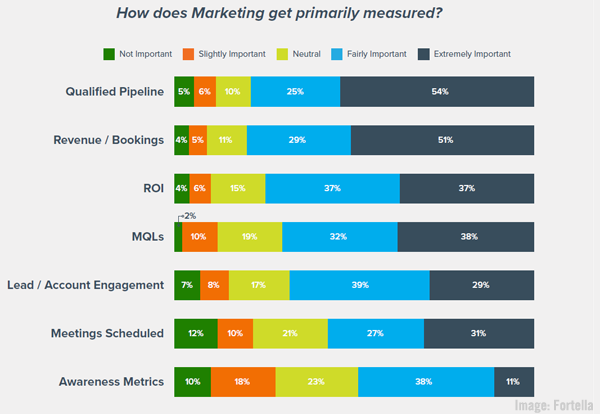
    2021 January 8 Fortella Chart

    2021 January 8 Fortella Chart


    LinkedIn Shares New Usage Insights for Your 2021 Planning [Infographic]
    Microsoft-owned LinkedIn (client) has released updated usage statistics showing that the professional social network’s LinkedIn Live video streams have increased by 89 percent since March, along with strong levels of member engagement — two of numerous statistics of interest to digital marketers. Social Media Today


    Google Question Hub Is Open & It’s A Great Way To Find Content Ideas
    Google has rolled out a new service showing unanswered search question data, offering U.S users access to its Question Hub for the first time — a feature previously only available in three non-U.S. nations. Search Engine Roundtable


    Why B2B marketers need to bet big on ‘The Big Long’
    Brand investment is key for providing business value according to data from the 2030 Marketing Trends report from Linkedin’s The B2B Institute, and Marketing Week explores five of the key benefits that come from building a B2B brand. Marketing Week


    The Top 20 Content Marketing Hashtags, Topics, and Searches
    71 percent of content marketers use a digital marketing hashtag alongside their content marketing tag, while strategy, SEO, and social media are the top three topics discussed with content marketing, according to newly-released study data from SEMrush examining more than 600,000 tweets and Google searches, the firm announced. MarketingProfs


    Most Covered Terms Of 2020: ‘COVID-19,’ ‘Digital,’ ‘Personalization,’ ‘Meaningful’
    COVID-19, “meaningful” and “personalization” led the way when it came to the most covered search terms during 2020 at MediaPost, in its annual look at the most-referenced terms of the year. MediaPost


    Bing Webmaster Tools adds crawl requests, crawl errors & indexed pages to performance report
    Microsoft’s Bing has added new functionality to its Bing Webmaster Tools utilities, with additional metrics that can aid marketers in spotting potential trouble-spots, the firm recently announced. Search Engine Land


    2021 January 8 Statistics Image


    Emerging New Brand Role: Enabler Of Personal Innovation
    Brands increasingly see success when they create conditions that foster personal innovation, according to recently-released annual trend report data showing a variety of new forms of interaction and brand-shaping. MediaPost


    Amazon acquires podcast network Wondery
    Amazon has acquired the podcasting network Wondery, the firm recently announced, noting that the newly-acquired podcast network will be added to Amazon Music, offering new opportunities for digital marketers seeking to promote podcast content. TechCrunch


    Apple Granted Patent Supporting Further Development Of Search Technology
    Apple has received a patent that will allow it to delve further into search engine functionality, with domain-based influencer scoring among the firm’s search technologies that were granted a patent, Apple recently announced. MediaPost


    Fortella Releases “State of B2B Marketing: 2021” Report, Examines the Traits of Top-Performing Marketing Departments
    64 percent of B2B marketers find budgeting resources to be a top challenge, followed by tracking, quality data, and finding the right talent, according to recently-released survey data exploring top challenge strategies and tactics employed by marketing executives at leading B2B companies. MarTech Series


    ON THE LIGHTER SIDE:


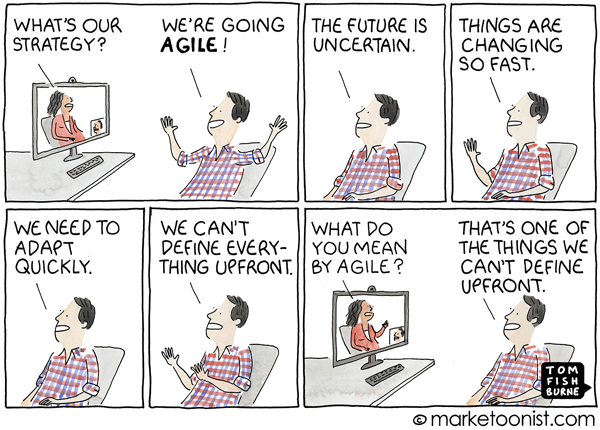
    2021 January 8 Marketoonist Comic

    A lighthearted look at “we’re going agile” by Marketoonist Tom Fishburne — Marketoonist

    Adweek’s Most Popular Online Stories of 2020 — Adweek


    TOPRANK MARKETING & CLIENTS IN THE NEWS:

    • SAP — Global CMO of SAP Discusses Intersectionality in The Business of Marketing — Adweek

    Have you found your own top B2B marketing story from the past week of industry news? Please let us know in the comments below.

    Thanks for joining us for another edition of our B2B marketing news, and we hope that you will return again next Friday for more of the most relevant B2B and digital marketing industry news. In the meantime, you can follow us at @toprank on Twitter for even more timely daily news.

    The post B2B Marketing News: LinkedIn’s 2021 Planning Report, Traits of Top B2B Performers Study, Google’s Question Hub, & Apple’s Search Aspirations appeared first on B2B Marketing Blog – TopRank®.

    [ad_2]


    Source link

    Author
    Published Date

    Contact Us


  • How To Use Brand Mentions For SEO

    How To Use Brand Mentions For SEO

    Google has used links to determine the authority of websites since its early days: the idea of webpages casting “votes” for other pages by linking to them is at the core of the PageRank algorithm. This led to the rise of numerous manipulative link tactics. Google reacted with the Penguin update and manual penalties; link schemes evolved to outsmart the algorithm. New Penguin updates followed. The story went on for years until it no longer made sense.

    First, publishers started to associate links with a risk of getting penalized. Today, many of them (think Wikipedia, The Next Web, Entrepreneur, Forbes, and numerous others) simply nofollow outgoing links: They don’t want to be seen as “endorsing” every site they link to or even contemplate what the algorithm might make of it. They’re playing it safe, and you can’t blame them. But what good is the system if the biggest players stop casting their votes?

    Second, the internet is changing. PageRank’s idea of the web being a graph of pages connected by hyperlinks, which represent relationships between these pages in a very limited, binary way (link = trust; lack of link = lack of trust), is somewhat outdated. The web today is so much more than links and pages — it’s a full-blown ecosystem where relationships can be expressed in a million ways. Unlinked brand mentions and the sentiment behind them may be the timely replacement for a site authority signal the internet needs.

    In this post, we’ll take a look at how unlinked mentions may be used by search engines for ranking and how you can track and amplify these mentions to boost your SERP presence with a web monitoring tool like Awario.

    The evidence

    So what makes us think search engines use linkless mentions for ranking?

    1. Google and Bing have said it

    Google Webmaster Trends Analyst Gary Illyes mentioned in his keynote at Brighton SEO in September 2017:

    If you publish high-quality content that is highly cited on the internet — and I’m not talking about just links, but also mentions on social networks and people talking about your branding, crap like that. Then you are doing great.”

    Duane Forrester, formerly senior product manager at Bing, pointed out at SMX West 2016 that unlinked mentions can be as strong a signal as backlinks, confirming that search engines can easily identify mentions and use them to determine site authority:

    “Years ago, Bing figured out context and sentiment of tone, and how to associate mentions without a link. As the volume grows and trustworthiness of this mention is known, you’ll get a bump in rankings as a trial.”

    2. Google’s patents have said it

    Google’s Panda patent (covered extensively by Bill Slawski here) also refers to mentions, aka “implied links,” as a signal that could be equal in weight to the good old backlinks:

    “The system determines a count of independent links for the group (step 302). […] Links for the group can include express links, implied links, or both. […] An implied link is a reference to a target resource, e.g., a citation to the target resource, which is included in a source resource but is not an express link to the target resource. Thus, a resource in the group can be the target of an implied link without a user being able to navigate to the resource by following the implied link.”

    3. Google’s Search Quality Guidelines have said it

    Search Quality Guidelines is a document used by Google’s quality evaluators who rate web pages in SERPs; based on the ratings, Google develops changes to their ranking algorithm. From these guidelines, we know that reputation (aka the public opinion about a brand) matters for rankings.

    “For Page Quality rating, you must also look for outside, independent reputation information about the website. When the website says one thing about itself, but reputable external sources disagree with what the website says, trust the external sources.”

    4. It helps Google tell the good from the bad

    A few years ago, negative reputation could actually help some not-so-conscientious online merchants rank in Google, as bad reviews generated links and buzz around the brand. But when stories like this hit The New York Times, things weren’t funny anymore.

    In response to that story, Google incorporated an algorithmic solution to down-rank merchants that provide poor user experience. Not surprisingly, Google won’t say exactly how the solution works. One thing they did mention is their “world-class sentiment analysis system,” though it’s not completely clear whether it’s being used in the algorithm.

    What does this mean for your SEO strategy?

    The bad news is, you’ve got one more thing to track and optimize. The good news is that mentions are much easier to get than dofollow links and will likely pay off equally well. The even better news? If you already have a link-building strategy that’s working for you, you can continue using it to win mentions and stop stressing about publishers nofollowing your links (or not linking to you at all).

    Here are two things to include in your SEO strategy in 2018.

    1. Track brand mentions

    In addition to a backlink checker, you’ll need a monitoring tool to find mentions of your brand and product across the web. Mind that a lot of apps only look for mentions on social media, so make sure the one you choose is good at digging up mentions that come from around the web (think review platforms, forums, blogs and news sites). Awario, with its own web crawler, is really good at this. You can sign up for a free 14-day trial here.

    To get started, simply create an alert for your brand (if you’d like to track backlinks alongside, create a separate alert for your website URL). You’ll see your feed populate with mentions in a few minutes. From there, use Awario’s Reach metric to see the authority of every resource that mentions you, be it a website or social media user. You can sort your mentions by Reach to see the most influential posts first.

    On top of that, Awario has a sentiment analysis system, so you can quickly see the sentiment behind every mention, filter mentions to react to the negative ones quicker and, most importantly, aggregate the data to see which sentiment dominates your brand’s mentions (sentiment is used by Bing and likely Google, remember?). To do this, jump to the Dashboard module and examine the sentiment graph to make sure you’re doing well with your reputation. You can click on any point on the graph to see the positive or negative mentions from any day.

    Keep an eye on how your mentions and their Reach grow and how the overall sentiment of the buzz around your brand changes.

    2. Keep growing your mentions

    Link building isn’t just about links anymore. A lot of the same principles apply to building unlinked brand mentions, and there are also new, exciting tactics to try. Here are a few to get you started.

    • Reviews: Encourage and track customer reviews for your brand, and make sure to respond to the negative ones. Depending on the type of your business, platforms to track for reviews will vary: TripAdvisor and Yelp for restaurants, G2 Crowd for SaaS apps and so on.
    • Social selling: Social media is the place to go if you want to build brand awareness, get the conversation going about your business, and even do sales. Skeptical? Here’s a good post that explains the benefits.
    • Social customer care: Customers turn to social media to complain and ask questions about brands, and you want to be there to grow their trust and loyalty. Not only is this good for business, but the happy customers are likely to keep spreading the word about your brand, which can help SEO. Here’s a guide to get you started.
    • Competitor monitoring: Just as with backlinks, it’s important to track mentions of your competitors to see what they’re doing to grow awareness and learn from their tactics and mistakes. The benefits are infinite; here are the major ones.
    • Influencer marketing: In addition to your brand monitoring alerts, use Awario to track mentions of industry keywords. This will not only help you understand your audience better, but it will also find influencers to market your products through (use the Influencers report for that). Remember, as with backlinks, it’s not just quantity that matters — the more authoritative the person mentioning you, the more weight the endorsement has. Get started with this post.

    One last thing

    Links aren’t obsolete yet. They still matter, but the amount of buzz around your brand and its sentiment is no less important. And if you think about it, it makes sense. You want people to be talking about your business and saying good things about it. Is it any wonder search engines are putting this “buzz” into a quantitative metric so they can give searchers the results other people trust and love?