Category: Digital Marketing !

  • Blueprint: LinkedIn Ads for Manufacturers’ Industry 4.0 Dominance

    Blueprint: LinkedIn Ads for Manufacturers’ Industry 4.0 Dominance

    Introduction

    Close your eyes and picture this: It’s mid-2025, and your manufacturing firm’s LinkedIn post about a cutting-edge IoT assembly line is trending. Procurement heads from top-tier clients are messaging you, eager to partner. Your smart factory isn’t just a production hub—it’s a brand powerhouse, thanks to Industry 4.0 LinkedIn ads. In India’s fast-evolving B2B landscape, Industry 4.0—think AI, IoT, and automation—is reshaping manufacturing. Yet, most firms struggle to showcase their tech prowess to decision-makers. Technocratiq Digital’s LinkedIn ads blueprint turns your smart factory SMM into a magnet for B2B manufacturing reach, driving leads and cementing industrial marketing dominance in 2025.


    The Industry 4.0 Boom: Why LinkedIn Is Your Stage

    India’s manufacturing sector is sprinting toward Industry 4.0, with a NASSCOM report projecting $300 billion in smart manufacturing investments by 2027. A Deloitte study notes 62% of Indian manufacturers are adopting AI and IoT, but only 25% effectively market their innovations. Enter LinkedIn, where 80% of B2B leads originate, per LinkedIn Marketing Solutions. With Industry 4.0 LinkedIn ads, you can target CXOs and procurement heads searching for smart factory solutions. Google Trends shows “Industry 4.0” searches up 22% in India, yet unoptimized industrial marketing leaves most firms invisible. Our smart factory SMM strategy changes that.

    Your 2025 LinkedIn Ads Blueprint for Industry 4.0 Leadership

    Technocratiq Digital’s blueprint harnesses LinkedIn ads to elevate your B2B manufacturing reach. Here’s how:

    1. Craft Compelling Ad Content

    Your smart factory story needs to resonate. A HubSpot report shows B2B buyers prioritize value-driven content.

    • Showcase Tech: Create ads highlighting AI-driven production or IoT analytics, like “How Our Smart Factory Cuts Downtime by 30%.”
    • Use Videos: Short clips of automated lines increase ad engagement by 52%, per LinkedIn.
    • Stay Authentic: Share case studies (e.g., “How IoT Boosted Our Output”) to build trust without hype, aligning with industrial marketing trends.
    2. Hyper-Target Decision-Makers

    LinkedIn’s ad platform is a precision tool for B2B manufacturing reach.

    • Audience: Target job titles like “COO,” “Procurement Head,” or “Plant Manager” in sectors like automotive or electronics, where McKinsey notes high Industry 4.0 adoption.
    • Geographics: Focus on industrial hubs like Chennai or Pune, per India Brand Equity Foundation.
    • Lookalike Audiences: Use LinkedIn’s lookalike feature to reach prospects similar to your current clients, boosting conversions by 25%.
    3. Optimize Ad Formats and Timing

    Format and timing are critical for smart factory SMM.

    • Carousel Ads: Showcase multi-step Industry 4.0 processes (e.g., AI inspection to delivery), driving 15% higher click-through rates, per LinkedIn.
    • Sponsored Posts: Amplify blogs like “Industrial Marketing in 2025: Why Smart Factories Win” to spark engagement.
    • Schedule Smart: Run ads during LinkedIn peak hours (7-9 AM IST, weekdays), per Sprout Social, for maximum B2B manufacturing reach.
    4. Measure and Scale Success

    Data drives dominance. LinkedIn Campaign Manager tracks ad performance, guiding refinements.

    • Key Metrics: Monitor impressions, clicks, and lead forms. Aim for a 0.45% CTR, per LinkedIn’s 2024 benchmarks.
    • Refine: If an AI-focused ad outperforms IoT ones, pivot to more AI content for Industry 4.0 LinkedIn ads.
    • Track ROI: Use Google Analytics to link ad clicks to website conversions, tying smart factory SMM to sales.

    Case Study: A Manufacturer’s LinkedIn Leap

    In 2024, a Pune-based auto parts manufacturer struggled to highlight its IoT-enabled smart factory. We launched a LinkedIn ads campaign:

    • Content: Promoted a video ad showing real-time production analytics, targeting automotive CXOs.
    • Targeting: Focused on Pune and Chennai, using lookalike audiences for scale.
    • Results: The campaign reached 20,000 professionals, generated 50 lead forms, and secured 8 high-value RFPs in 3 months, per LinkedIn Insights.

    In 2025, we’re amplifying their industrial marketing for Industry 4.0 dominance. Your firm can follow this blueprint to similar success.


    Why 2025 Is Your Time to Shine

    The Industry 4.0 wave is here, and B2B manufacturing reach on LinkedIn is your launchpad. Forbes predicts 70% of manufacturers will prioritize digital marketing in 2025, with Google favoring targeted, video-rich industrial marketing. Delay, and competitors optimizing smart factory SMM will steal your leads. Technocratiq Digital’s LinkedIn ads ensure your Industry 4.0 story leads the conversation.


    Dominate with Technocratiq Digital

    Your smart factory deserves the spotlight. Technocratiq Digital’s LinkedIn ads experts craft campaigns that drive B2B manufacturing reach and industrial marketing success. Ready to lead Industry 4.0 in 2025? Book a free LinkedIn ads consultation and let’s spark your dominance!

    Get in Touch with Us!
    Phone: +91 7982534881
    Mobile: +91 99711 50579
    Email: info@technocratiq.com
    WhatsApp Us Now!
    Book Your Free Consultation Slot Today and take the first step towards a brighter, more successful digital future with TIQ Digital.

    Sources:

    1. NASSCOM: India Manufacturing 4.0, accessed April 2025.
    2. Deloitte: Industry 4.0 in India, 2024.
    3. LinkedIn Marketing Solutions, accessed April 2025.
    4. Google Trends: Industry 4.0, accessed April 2025.
    5. HubSpot: State of Marketing 2024, 2024.
    6. McKinsey: Manufacturing 4.0, 2024.
    7. India Brand Equity Foundation: Manufacturing Sector, accessed April 2025.
    8. Sprout Social: Best Times to Post on LinkedIn, February 2025.
    9. Forbes: Industry 4.0 Trends for 2025, December 2024.
  • How is SEBI controlling the BFSI intermediaries against advertising malpractices and what are the official circulars given in India?

    How is SEBI controlling the BFSI intermediaries against advertising malpractices and what are the official circulars given in India?

    The Securities and Exchange Board of India (SEBI) has implemented several measures to control advertising malpractices among Banking, Financial Services, and Insurance (BFSI) intermediaries, particularly in response to the rising incidence of fraud on digital platforms. Here are the key initiatives and official circulars related to this effort:

    New Guidelines for Advertising

    • Verification Requirement: SEBI has mandated that all registered intermediaries must verify their identities before publishing advertisements on social media platforms. This includes registering on platforms like Google and Meta using the email addresses and mobile numbers registered with SEBI’s Systematic Investment (SI) Portal[1][2].
    • Compliance Deadline: Intermediaries are required to update their contact details in the SEBI SI Portal by April 30, 2025. Non-compliance could lead to restrictions on their advertising activities[1][3].
    • Focus on Investor Protection
    • Curbing Fraudulent Activities: The guidelines aim to enhance transparency and protect investors from scams that exploit social media. Fraudsters often lure victims with false promises of risk-free returns and misleading endorsements[2][3]. SEBI’s advisory has specifically highlighted the dangers posed by unregulated entities offering dubious financial advice online[1].
    • Collaboration with Social Media Platforms: SEBI is working closely with social media providers to ensure that only verified intermediaries can advertise their services, thereby reducing the risk of misleading promotions[4].

    Circulars Issued

    1. Guidelines for Registered Intermediaries (March 21, 2025): This circular outlines the new verification requirements for advertising on social media platforms and emphasizes the need for compliance by the specified deadline[1][2].
    2. Advertisement Code for Investment Advisers (April 6, 2023): This code prohibits misleading advertisements by investment advisers and research analysts, banning superlative claims and promises of assured returns. It also mandates that all advertisements include a standard risk warning[5].
    3. Crackdown on Finfluencers: SEBI has tightened regulations regarding financial influencers (finfluencers) in the BFSI sector, requiring them to register to ensure accountability and transparency in their promotional activities[6].

    These measures reflect SEBI’s commitment to creating a safer investment environment by addressing the challenges posed by digital advertising malpractices within the BFSI sector.

    What are the specific steps intermediaries need to follow to verify their identities on social media

    To verify their identities on social media platforms as mandated by SEBI, intermediaries must follow these specific steps:

    1. Register on the SEBI Systematic Investment (SI) Portal: Intermediaries must ensure that their contact details (email addresses and mobile numbers) are registered with the SEBI SI Portal.
    2. Verify Contact Information: They need to verify their registered contact information on social media platforms like Google and Meta. This involves using the same email and mobile numbers that are linked to their SEBI registration.
    3. Compliance with Guidelines: Intermediaries must adhere to the guidelines set forth by SEBI, which include ensuring that all advertisements are compliant with regulations and do not mislead investors.
    4. Update Information by Deadline: All required updates to contact details must be completed by April 30, 2025, to avoid restrictions on advertising.
    5. Maintain Transparency: Intermediaries should ensure that their advertising practices are transparent and do not mislead potential investors regarding the nature of their services.
    6. Monitor Compliance: Ongoing monitoring of compliance with these verification requirements is essential to maintain accountability and prevent fraudulent activities.

    These steps aim to enhance accountability and protect investors from misleading advertisements in the BFSI sector[7][8].

    How will these new guidelines impact the advertising strategies of BFSI companies

    The new guidelines issued by SEBI for BFSI intermediaries are set to significantly impact their advertising strategies in several ways:

    Enhanced Compliance Requirements

    •   Verification of Identity: Intermediaries must now verify their identities on social media platforms, which adds an extra layer of compliance to their advertising strategies. This process requires them to register on the SEBI Systematic Investment Portal and ensure their contact details are accurate, which may slow down the speed at which they can launch new campaigns.
    •   Adherence to Content Regulations: The guidelines impose strict requirements on the content, format, and disclosures in financial advertisements. This means that BFSI companies will need to invest more time and resources in ensuring that all promotional materials comply with these regulations, potentially leading to more conservative messaging.

    Shift Towards Transparency

    •   Building Consumer Trust: The emphasis on transparency in advertising is likely to lead BFSI companies to adopt more straightforward and honest communication strategies. As consumers increasingly prioritize transparency when selecting financial products, companies may shift towards educational content that clarifies services rather than aggressive marketing tactics[9].
    •   Focus on Ethical Standards: With the new guidelines promoting ethical advertising practices, BFSI firms will need to ensure that their marketing strategies align with these standards. This may involve revising existing campaigns to eliminate misleading claims and focusing on fair practices.

    Strategic Adaptation

    •   Increased Use of Technology: To navigate the new compliance landscape effectively, BFSI companies are likely to leverage technology for monitoring and ensuring adherence to regulatory requirements. This could involve using data analytics tools to track consumer engagement and compliance metrics more efficiently[10][9].
    •   Agile Marketing Strategies: The evolving regulatory environment will necessitate agile marketing strategies that can quickly adapt to changes. BFSI companies might implement more dynamic campaign management processes that allow for rapid adjustments in response to regulatory updates or consumer feedback[9].

    Educational Content Focus

    •   Content Marketing Shift: As educational content becomes more valued by consumers, BFSI firms may pivot their advertising strategies towards providing informative resources that help potential customers understand financial products and services better. This aligns with the trend where a significant percentage of consumers appreciate educational content from financial institutions[9].

    Are there any penalties for intermediaries who fail to comply with these new guidelines

    Intermediaries that fail to comply with the new SEBI guidelines face several significant penalties, which can include:

    1. Financial Penalties: Non-compliance may result in hefty fines, which can vary widely. Specific violations can lead to fines ranging from ₹10 lakh to ₹25 crore, or three times the profit gained from the violation, whichever is higher[11].
    2. Legal Action: SEBI has the authority to initiate legal proceedings against non-compliant intermediaries, which may include civil and criminal penalties depending on the severity of the violation. This could lead to lengthy legal battles and additional costs for the intermediaries[11].
    3. Cancellation of Registration: SEBI can cancel the registration of intermediaries that do not meet compliance requirements. This has occurred in past instances where stock brokers and commodity brokers failed to adhere to regulations[11].
    4. Reputational Damage: Non-compliance can severely damage an intermediary’s reputation, resulting in a loss of client trust and potential business opportunities, which can have long-term implications for their operations[11].
    5. Increased Regulatory Scrutiny: Intermediaries found in violation may face heightened scrutiny from SEBI, leading to more frequent audits and investigations into their practices, further straining their resources[11].
    6. Investor Grievances: Increased investor complaints due to non-compliance can lead to further investigations by SEBI, compounding the intermediary’s issues and potentially resulting in additional penalties[11].

    These penalties underscore the importance of strict adherence to SEBI regulations for intermediaries operating within the BFSI sector.

    How does SEBI plan to monitor and enforce these new guidelines

    SEBI plans to monitor and enforce the new guidelines for BFSI intermediaries through a multi-faceted approach that includes the following strategies:

    Regular Compliance Audits

    •   Systematic Audits: SEBI will conduct regular audits of intermediaries to ensure compliance with the new advertising guidelines. This includes reviewing their advertising practices and verifying that they adhere to the requirements set forth in the guidelines.

    Real-Time Monitoring

    •   Automated Systems: Intermediaries are required to implement automated systems that can monitor their advertising activities in real-time. These systems will generate alerts for any violations or discrepancies, allowing for quick corrective actions.

    Reporting Requirements

    •   Mandatory Reporting: Intermediaries must submit periodic reports detailing their compliance with the guidelines. This includes documentation of their advertising strategies and any changes made in response to regulatory requirements.

    Enforcement Actions

    •   Penalties for Non-Compliance: SEBI has established a framework for imposing penalties on intermediaries that fail to comply with the guidelines. This may include financial penalties, legal action, and potential cancellation of registration.

    Collaboration with Social Media Platforms

    •   Verification Processes: SEBI is collaborating with major social media platforms to ensure that only verified intermediaries can advertise their services. This partnership aims to enhance accountability and reduce the risk of fraudulent advertisements.

    Investor Feedback Mechanisms

    •   Grievance Redressal: SEBI encourages investors to report any misleading advertisements or practices they encounter. This feedback will be used to identify non-compliant intermediaries and take appropriate enforcement actions.

    Capacity Building

    •   Training and Resources: SEBI will provide resources and training to intermediaries to help them understand and implement the new guidelines effectively. This includes workshops and materials aimed at fostering compliance culture within organizations.

    By employing these strategies, SEBI aims to create a robust framework for monitoring and enforcing compliance among BFSI intermediaries, thereby enhancing investor protection and market integrity.

    What role does the Advertising Standards Council of India (ASCI) play in these new regulations

    The Advertising Standards Council of India (ASCI) plays a crucial role in the advertising landscape, particularly in relation to the new regulations affecting BFSI intermediaries. Here are the key aspects of ASCI’s involvement:

    Self-Regulatory Framework

    •   Voluntary Self-Regulation: ASCI operates as a voluntary, non-statutory body established to promote ethical advertising practices. It provides a self-regulatory code that outlines standards for truthfulness, decency, and social responsibility in advertising[12][13].
    •   Code of Conduct: The ASCI Code serves as the de facto standard for advertising practices in India, particularly in the absence of comprehensive advertising laws. It sets guidelines that advertisers must follow to avoid misleading claims and ensure fairness in competition[14][12].

    Monitoring and Complaint Handling

    •   Consumer Complaints Council (CCC): ASCI has a dedicated body, the Consumer Complaints Council, which investigates complaints from consumers and competitors regarding advertisements that may violate its code. This council evaluates claims and can mandate modifications or removals of misleading advertisements[15][16].
    •   Fast Track Complaint Process: ASCI offers a streamlined process for handling complaints, allowing for quicker resolutions compared to traditional legal avenues. This helps maintain public trust in advertising while reducing the burden on judicial systems[14][12].

    Collaboration with Regulatory Bodies

    •   Partnerships with Government Agencies: ASCI collaborates with various regulatory bodies, including the Ministry of Information and Broadcasting, to ensure that all advertisements comply with established codes. In 2006, a mandate was issued requiring TV advertisements to adhere to ASCI’s standards[15][16].
    •   Oversight on Specific Sectors: ASCI has formalized agreements with organizations like the Food Safety and Standards Authority of India (FSSAI) to oversee misleading advertisements in specific sectors, such as food and beverages. This collaboration enhances its monitoring capabilities across diverse media platforms[16].

    Impact on BFSI Sector

    •   Guidance on Compliance: With the introduction of SEBI’s new guidelines for BFSI intermediaries, ASCI’s role becomes even more critical. It provides guidance on how these companies can align their advertising strategies with both SEBI regulations and ASCI’s ethical standards.
    •   Promoting Ethical Practices: ASCI’s emphasis on truthfulness and fairness supports SEBI’s objectives of protecting investors from misleading advertisements, thus fostering a more trustworthy financial market environment.

    In summary, ASCI functions as an essential regulatory body that helps ensure ethical advertising practices across industries, including BFSI, by providing a framework for compliance and addressing consumer grievances effectively.

    Conclusion

    Overall, the new SEBI guidelines will compel BFSI companies to rethink their advertising strategies, focusing more on compliance, transparency, and ethical practices while leveraging technology for effective engagement. This shift is expected to foster greater consumer trust and long-term sustainability in the competitive BFSI landscape.


    GET YOUR FREE CHECKLIST TODAY !!


    Get in Touch with Us!

    Phone: +91 7982534881 

    Mobile: +91 99711 50579

    Email: info@technocratiq.com

    Whatsapp Us Now! 

    Book Your Free Consultation Slot Today and take the first step towards a brighter, more successful digital future with TIQ Digital.

    Sources:

    1. https://economictimes.com/markets/stocks/news/sebi-mandates-advertiser-verification-on-social-media-to-curb-investment-frauds/articleshow/119309602.cms
    2. https://www.cnbctv18.com/market/sebi-new-guidelines-to-prevent-fraud-on-youtube-facebook-instagram-whatsapp-telegram-x-19578504.htm
    3. https://www.businesstoday.in/technology/news/story/sebi-introduces-new-guidelines-for-intermediaries-advertising-on-social-media-platforms-469138-2025-03-24
    4. https://inc42.com/buzz/sebi-tightens-digital-advertising-norms-for-registered-entities/
    5. https://economictimes.com/markets/stocks/news/sebi-issues-advertisement-code-for-investment-advisers-research-analysts/articleshow/99275749.cms
    6. https://www.icubeswire.com/press-release/sebis-crackdown-on-finfluencers-to-impact-advertising-in-bfsi-expected-to-affect-other-categories-too/
    7. https://www.thebridgechronicle.com/tech/sebi-verification-social-media-advertising
    8. https://pib.gov.in/PressReleaseIframePage.aspx?PRID=1882060
    9. https://tyroo.com/bfsi-advertising-insights-strategies-success-apac-region/
    10. https://www.storyboard18.com/special-coverage/the-significance-of-compliance-and-regulatory-considerations-in-digital-marketing-for-bfsi-32266.htm
    11. https://quicktakes.io/learn/criminal-or-civil-law/questions/what-are-the-consequences-of-noncompliance-with-sebi-regulations-for-intermediaries     
    12. https://blog.ipleaders.in/advertisement-standards-council-india-asci/  
    13. https://www.tutorialspoint.com/advertising-standards-council-of-india-asci
    14. https://www.scconline.com/blog/post/2024/10/14/addressing-the-issue-ascis-role-and-the-limits-of-its-authority/ 
    15. https://lawbhoomi.com/advertisement-standards-council-of-india/
    16.   https://www.thepharmajournal.com/archives/2024/vol13issue4/PartB/13-4-34-325.pdf 
  • How to Make Data-Driven Decisions in Your Marketing Strategy

    How to Make Data-Driven Decisions in Your Marketing Strategy

    Introduction

    Today’s changing digital world does not allow decision-making to be an option anymore, it is a compulsion. A company should especially venture into sectors like finance or law that have high competition and, therefore, need a marketing strategy designed appropriately for this market to attract. Data-driven marketing would bring results that have never been achieved before, as mentioned at Technocratiq Digital. Let us dig deeper and understand the process of seeking help from data to evolve marketing in ways it cannot with the current scenario, including steps towards smarter approaches.

    Data-Driven Marketing

    Data-driven marketing is a strategic approach that focuses on using information that can be gathered through examining data to formulate more effective, targeted marketing strategies. A business will not rely purely on instinct or guesswork and use this data analysis to thoroughly examine the behavior of customers and measure performance metrics in as minute detail as possible before they are continually perfected into an optimized marketing campaign. Such a systematic approach ensures resources are allocated in such a way that their impacts and effects are maximized.

    Why Data-Driven Marketing Matters

    Outlined below are a few strong arguments that will illustrate precisely why data-driven marketing needs to be integrated at the very core of your overall strategy:

    • Increased ROI: Targeted campaigns ensure that money paid towards your marketing is spent strictly on its purpose.
    • Better Customer Insights: Data helps analyze and understand what your audience needs and is likely to expect.
    • Optimized Campaigns: Through this platform, anything can be changed and amended as needed for the campaigns so that they reach their fullest potential.

    Given that it will be backed with data and consistent in messaging, such a brand would be stronger.

    Build a Data-Driven Marketing Strategy

    Achieving success in data-driven marketing requires a set of basic steps:

    Step 1: Clearly define goals

    Before setting out into data, define what success is your business. Do you try to increase website traffic, conversions, or customer retention? Your objectives have to be SMART – meaning Specific, Measurable, Achievable, Relevant, and Time-bound.

    For example, if your primary goal is to attract a larger market of clients, especially in the field of law, then doing content marketing aimed for lawyers by developing targeted blogging articles and long research case studies would be an excellent place to start.

    Step 2: Establish a Powerful Resilient and Noticed Brand

    A strong brand serves as the foundation for all marketing efforts. 

    Here’s how to create one:

    • Logo Design: Come up with a memorable logo that reflects the values of your business. Perhaps, one design trend we highly recommend at Technocratiq Digital is minimalist designs, being versatile and timeless.
    • Consistent tone of voice: Professional, conversational, or authoritative – whatever your voice happens to be, let it be consistent throughout how you communicate.
    • Color Scheme: The choice of color that one feels may appeal to the target market. For instance, money services are best associated with the color blue for trust, or a legal firm perhaps prefers a neutral color to portray professionalism.
    • Consistent Messaging: Every campaign, be it a paid ad campaign or a campaign for organic content, ought to be aligned with your brand message.
    Step 3: Collect and Analyze Data

    This all begins with the core of a data-driven approach: the all-important process of gathering data. There are many ways this can be done, and some of those ways include:

    • Website Analytics: Use such tools as Google Analytics to closely track and analyze the visitors’ behavior who are reaching your website.
    • Social Media Insight: There are various sites, including Facebook and LinkedIn, that offer highly valuable metrics; users may gather information about the depth levels.
    • Customer Surveys: Collect the feedback directly to know their preferences.
    • Campaign metrics: Paid advertisements require measurement since this will help identify specific channels that drive good results and outcomes.
    Step 4: Segment Your Audience

    Not all customers are the same. Segmentation is important because the tailored message is truly tailored for your audience. This is how it is done:

    • Grouping based on some demographic criteria – by age, gender, income level, and others.
    • Behavioral segmentation: Buying behavior history, site behavior, etc.
    • Psychographic segmentation can be defined as “interests, values and lifestyle.”.

    For example, if the objective is specifically targeting legal professionals within a certain industry, content such as “How to Improve Your Law Firm’s SEO” proves to be highly effective and works very well as a strategy for content marketing aimed at lawyers.

    Step 5: Leverage Data for Campaign Optimization

    Use your data insights to refine campaigns, as follows:

    • A/B Testing: Try different headlines, visual themes, or call-to-action buttons in the experiment to find which elements work most powerfully with your audience.
    • Personalized content: Use the right knowledge of all the email campaigns as well as ads based on users’ personal preferences and interests.
    • Optimize Paid Ads: Keep the paid advertisement to where your potential audience is actually present most, such as Google or LinkedIn.

    At Technocratiq Digital, we’ve seen how a data-driven approach to financial digital marketing can result in significantly higher conversions.

    Step 6: Monitor and Refine

    The best marketing strategy is never static. Review data regularly to know more clearly what works and what doesn’t. Some metrics to look out for are:

    • CTR stands for Click-Through Rate and is the measure of effectiveness, and how your ads are truly driving traffic.
    • Conversion Rate: The number of users who make the desired action.
    • Bounce Rate: This exhibits to what extent your contents attract the users their expectations or otherwise.

    Real-Life Applications of Data-Driven Marketing

    To understand the relatively high impact that data-driven marketing may have, it helps to look at a few concrete and pragmatic examples:

    • Paid Advertising: A finance company targeting investors determined the profitable keywords for its paid advertising using data. It, therefore, was able to increase the ROI by 30%.
    • Content Marketing for Lawyers A law firm has been successful in upgrading the acquisition of clients through developing and publishing articles supported by relevant data, especially the ones targeting the various concerns that may trouble legal matters that would-be clients encounter.
    • Customer Retargeting: Here, the brand of e-commerce utilized retargeting ads specifically designed by building on data derived from cases of abandoned cart. Due to this targeted strategy, conversions saw a tremendous 20% boost.

    These examples give an insight into how firms operating in different sectors can use data to their advantage and even lead to concrete and measurable effects.


    The Future of Data in Marketing

    Tools like Google Data Studio are rich because one can generate highly detailed and comprehensive dashboards that would enable you to monitor how things have been performing in terms of metrics over time.

    That being said, data will be an integral part of marketing communication, which is primarily growing with technology. Here are a few trends shaping the future:

    • AI and Machine Learning: Predictive Analytics will enable businesses to predict trends and optimize communications.
    • Advanced Personalization: Marketing will become hyper-personalized with the real-time data that businesses collect.
    • Data Privacy: Strong ethical collection and release of data on transparency will be needed as the regulation under GDPR is increasingly tightening.
    • Voice Search and IoT will help extract new targeting opportunities from data of smart devices.

     At Technocratiq Digital, we have always worked to be proactively aware of these emerging trends because this helps us allow our clients not just to survive but to thrive in this continuum of evolving and ever-dynamic digital landscape.

    The Role of Paid Ads in Data-Driven Marketing

    The final but important element in data-driven marketing is paid advertising. On Google Ads and Facebook Ads, there is an abundance of robust targeting options for marketers to use, making the paid ads stronger at actually reaching the audience. Combined with relevant data insights, these paid advertisements are very powerful when it comes to driving results:

    • Keyword Targeting: Focus on finding and leveraging high-intent keywords that specifically cater to a financial digital marketing niche or any niche market for that matter.
    • Retargeting campaigns– Such campaigns are one that is designed to target users who have previously interacted with your brand in multitudes.
    • Performance Metrics: Using extensive analytics is essential for ad copy and visuals at both improvement and finally the very much improved performance advertising outcome.

    Conclusion

    Data-driven marketing was once something considered a luxury but has now become an absolute requirement in this highly competitive environment that we find ourselves in today. Having defined objectives, a strong and recognizable brand identity, a deep analysis of data, and continuously fine-tuning your strategies and methods is what helps one make more informed and intelligent decisions that lead to better outcomes and greater results.

    Join forces with Technocratiq Digital, and let us give you a chance to tap into the vast power of data that leads you to the paralleled success you have always aimed for.

    To learn more about how information can make a difference in your marketing, please call us today!


    Get in Touch with Us!

    Phone: +91 7982534881

    Mobile: +91 99711 50579

    Email: info@technocratiq.com

    Whatsapp Us Now!

    Book Your Free Consultation Slot Today and take the first step towards a brighter, more successful digital future with TIQ Digital.

    Let TIQ Digital help you climb the search engine ranks and establish your business as an industry leader in 2025 and beyond.

  • From Zero to Viral: Growing a Local Business’s Social Media Following by 500% in Half a Year

    From Zero to Viral: Growing a Local Business’s Social Media Following by 500% in Half a Year

    Introduction 

    Any local business looking to expand their reach in their community today has to have an extremely strong social media presence. For Technocratiq Digital, this was a no-brainer: How do we help a local business not just build a social media presence from the ground up, but get it growing exponentially? The following is a case study of how we contributed to increasing a local business’s social media following from zero to 500 percent in six months.

    The Challenge: A Local Business with Minimum Online Presence. A small local business approached us at Technocratiq Digital. This firm’s presence on social media was extremely poor, the firm was followed by far fewer accounts, and in turn had hardly enough time, money, or the needed expertise to make those rounds and engage in efficient manners. The business just couldn’t reach people through a virtual platform to fill up the gap in its overall marketing endeavors.

    Opening Statistics:

    Followers: Less than 200 on all the social media platforms

    • Engagement Rate: Less than 1%
    • Less than five postings per month: Random posting
    • Target Market Local community, by age, interest, and location.

    The company was very strong offline because it had customers who kept on coming back and also a community connection. The strength did not translate in the online space. Knowing this, Technocratiq Digital aimed to create an elaborate growth social media strategy for increasing followers for local businesses that not only build followers but also encourage engagement and conversion.

    Step 1: Understanding the Audience

    Understanding the target audience of the local business was critical before tactics. Who are they trying to reach? What types of social media are most relevant and resonate with their market? This research phase set the ground for the social media strategy for local businesses. We conducted questionnaires and analyzed their current customer base to profile the ideal follower.  Primarily young adults aged 25–45 years and interested in lifestyle products. I used Facebook and Instagram the most often of all the social media sites.

    • Content Preference: Fans liked the photo and video posts more than the wordy ones.

    That valuable information helped them come up with a strategy good enough to be felt by target audiences and eventually grow through social media.

    Step 2: Setting SMART Goals

    At Technocratiq Digital, we believe in using SMART goals to track one’s progress and ensure one achieves the set goals. For this campaign, the following objectives were set.

    • Increase followers for local businesses by 500% in six months.
    • Engage at least 5% of your audience by the end of Month 4.
    • Posting is frequent, with at least 4 good posts per week.
    • Deliver at least 100 new website visitors per week from social media by Month 6.

    Along with objectives, we were able to come up with a well-focused path that led us to success.

    Step 3: Crafting the Content Strategy

    Any growing social media following campaign depends on content. Here, for this local firm, Technocratiq Digital developed a very interesting content calendar. There were three types of content used here in this campaign:

    • We placed local events, influencers, and customer stories under the spotlight to build the brand on the back of a community.
    • Product Showcases: Hauls A high-quality picture and video of what the company sells was posted regularly. Each of these posts is optimized with meaningful hashes and geotags to get discovered easily.
    • Interactive Content: Surveys, Q&A sessions, and giveaways were added to the strategy to create interaction and maximize engagement rates.
    • Hashtags and geotags
      We optimized the posts using location-based hashtags and geotags to further expand the social media following. This attracted local followers who were most likely to visit the physical store. We used trending hashtags relevant to the local market for increased visibility of the posts.
    • User-Generated Content
      Users creating content is what would mostly make this platform successful for trust and authenticity building. We encourage the customer to post his experience under the branded hashtag, including the tag of the business. All those posts will be shared to the business’s social media page.

    Step 4: Paid Social Media Advertising

    • Organic growth is needed. But paid advertising can expedite the process much faster. Technocratiq Digital harnessed Facebook and Instagram ads, advertising events, and promotions in the neighborhood, using the following advert strategies:
    • Lookalike Audiences: We created lookalike audiences using existing customer data targeting people with similar demographics and interests, ensuring our ads were relevant to potential followers.
    • Engagement Ads Engagements were ads aimed at promoting like, comment, and share actions, thus increasing the visibility of the business’s social media pages.
    • Lead Generation Ads: The lead generation ads led more traffic to the website while helping capture leads for follow-through in the future.

    Step 5: Consistent Engagement and Community Building

    • Building a loyal community is just as important as increasing the follower count. Technocratiq Digital ensured that the local business interacted consistently with its audience by:
    • Responding to every comment and message.
    • Engaging with local influencers and collaborating on social media takeovers.
    • Sharing behind-the-scenes content that gave followers a glimpse into the business’s day-to-day operations.

    By actively participating in conversations, we humanized the brand, making it more approachable and relatable. This fostered a community of loyal followers who not only engaged with content but also became brand advocates.

    Step 6: Tracking and Optimization

    No social media strategy for local businesses can be said to be full without tracking results and optimizing based on performance. It used tools such as Google Analytics, Facebook Insights, and Instagram Analytics for performance monitoring in real-time. It tracked metrics like:

    • Follower Growth: Followers increase month on month.
    • Engagement Rate: Likes, comments, shares, and interactions per post.
    • Website Traffic: Number of visitors driven to the business’s website from social media.
    • Conversion Rate: Percentage of social media followers who became paying customers.

    Through ongoing analysis, we refined our strategy, focusing more on what worked (e.g., interactive content, and product showcases) and minimizing what didn’t perform as well.

    The Results: Exceeding Expectations

    After six months of executing our growing social media following strategy for local businesses, the results were impressive:

    • Follower Growth: We increased the business’s social media following by 500%, from under 200 to over 1,200 highly engaged followers.
    • Engagement Rate: The engagement rate skyrocketed to 7%, exceeding our initial 5% goal.
    • Website Traffic: Social media alone drove the biggest traffic averages of 150 new weekly visitors.
    • Conversion Rate: Footfall in the store was up by 25% and additionally through online sales; now that is what one would call engagement and converting.

    Key Takeaways

    • Understanding your audience is crucial for creating relevant content and targeting the right people. The more you know about your followers, the better you can tailor your social media strategy for local businesses.
    • Consistency and quality content go hand in hand. Posting regularly and ensuring that each post is engaging and adds value is essential for organic growth.
    • Paid ads can accelerate growth, especially when paired with well-defined audience targeting. Even a modest advertising budget can yield significant results.
    • Community building is key. Engaging with followers, responding to comments, and encouraging user-generated content foster a loyal community that supports your brand long-term.

    Conclusion: Going from Zero to Viral

    For example, through a more research-intensive and strategic plan for six months, Technocratiq Digital grew the small local business’s followers to 500%. With relevant combined content, paid adverts, and community engagement, for me, we changed the languid presence on social media into a virtual society that is active.


    If you’re looking for ways to increase the size of your social media following and reach new customers, then a customized approach designed for your business is paramount. Technocratiq Digital has the experience and resources to help increase followers for local businesses to thrive online. Contact us today to see how we can take your social media to the next level!

    Get in Touch with Us! – link it to the free quote page

    Phone: +91 7982534881 

    Mobile: +91 99711 50579

    Email: info@technocratiq.com

    Whatsapp Us Now! – 7982534881

    Book Your Free Consultation Slot Today – https://calendly.com/technocratiq/60min


  • Google’s August 2024 Core Update: What Changed and How to Adapt Your SEO Strategy

    Google’s August 2024 Core Update: What Changed and How to Adapt Your SEO Strategy

    Introduction:


    Google’s August 2024 core update is officially complete, and the SEO community is buzzing with analysis. While Google’s core updates are routine, each one brings a new wave of changes that impact how websites are ranked. This time, the focus seems to be on refining user experience, content depth, and search intent. With the update fully rolled out, it’s important to understand what’s changed and how to adjust your SEO strategy to stay ahead.


    In this blog, we’ll cover the key changes in the August 2024 core update, the industries most affected, and what you can do to adapt.


    1. What Is a Google Core Update?

    A Google core update is a broad change to the search engine’s algorithms, impacting how content is evaluated and ranked. It’s not about punishing websites, but about rewarding those that provide high-quality, relevant content.

    The August 2024 update continues this trend, with a few specific changes that further prioritize user experience and the relevance of content to search intent. Google’s goal is to ensure users find the most helpful content when they search, which means your content needs to align with those expectations.


    2. Key Changes in the August 2024 Core Update

    a) Increased Focus on User Intent

    One of the most noticeable changes in this update is how much weight is given to user intent. Google is getting better at understanding the purpose behind a search query, and it’s crucial that your content matches that intent. Pages that address user needs—whether they’re informational, transactional, or navigational—are likely to see gains.

    If your content isn’t directly answering the intent behind a query, it may slip in rankings. This change reinforces the need to create content that is not only keyword-optimized but also provides what the searcher is truly looking for.


    b) Core Web Vitals Are More Important Than Ever

    User experience, particularly measured through
    Core Web Vitals (CWV), is a major focus of this update. Sites that load quickly, avoid unexpected shifts (CLS), and offer a smooth interactive experience (FID) are rewarded. On the other hand, websites with poor performance in these areas may see a drop in rankings.

    Ensuring that your site meets CWV standards is no longer optional—it’s a key part of staying competitive in the search results. A fast and stable website is essential for ranking well and retaining users.


    c) Content Depth and Quality Take Center Stage

    Thin content that doesn’t offer substantial value is becoming less viable. Google is increasingly rewarding in-depth, comprehensive content that fully covers a topic and answers users’ questions. This update strengthens the trend of pushing low-quality, shallow pages down the rankings in favor of those that deliver real value.

    If your content is light on detail or doesn’t address the topic in a meaningful way, now’s the time to rethink your approach. Google is looking for well-researched, authoritative content that provides users with the insights they need.


    3. Industries Most Affected by the Update

    a) E-Commerce and Retail
    • Winners: Sites with detailed product pages, complete with descriptions, reviews, and strong mobile usability, saw improvements.
    • Losers: E-commerce sites with poor UX or lacking comprehensive product content faced ranking drops.
    b) Health and Finance (YMYL)
    • Winners: Authoritative sites with accurate, expert-backed content benefited from the update. Google’s Your Money or Your Life (YMYL) criteria continue to favor trusted sources.
    • Losers: Websites with outdated or non-expert content saw significant hits, especially in these sensitive industries.
    c) News and Publishing
    • Winners: Publishers producing high-quality, original reporting gained visibility, particularly those focusing on in-depth analysis.
    • Losers: Sites using clickbait headlines or superficial content saw ranking losses.
    d) Local Businesses
    • Winners: Local businesses with fully optimized Google Business Profiles, accurate information, and strong local SEO practices benefited.
    • Losers: Businesses with outdated or incomplete profiles faced setbacks, emphasizing the need for accurate local listings.

    4. How to Adapt Your SEO Strategy After the August 2024 Core Update

    a) Align Content with User Intent

    The core takeaway from this update is that content needs to meet user intent. Understanding the searcher’s goal—whether they’re seeking information, trying to make a purchase, or looking for a specific website—should guide how you craft your content.

    Make sure your content directly addresses what users are looking for, instead of simply focusing on keywords. By matching user intent, you increase the chances of ranking higher.

    b) Optimize for Core Web Vitals


    Improving Core Web Vitals is now a critical part of your SEO strategy:

    • Largest Contentful Paint (LCP): Ensure that your site’s main content loads quickly.
    • Cumulative Layout Shift (CLS): Minimize layout shifts by setting size attributes for images and ads.
    • First Input Delay (FID): Reduce delays in user interaction by optimizing your site’s JavaScript.

    A site that loads quickly and provides a stable experience will keep users engaged and help you maintain strong rankings.


    c) Create In-Depth, Valuable Content

    Shallow content won’t cut it anymore. You need to offer comprehensive content that thoroughly explores a topic and adds value for the reader. Focus on providing expert insights, answering user questions, and covering all aspects of the topic.

    Also, consider using structured data to help Google better understand and rank your content.


    d) Focus on E-A-T

    For industries like health, finance, and legal, the importance of Expertise, Authoritativeness, and Trustworthiness (E-A-T) continues to grow. Strengthen your E-A-T by:

    • Highlighting your team’s expertise through author bios.
    • Building backlinks from authoritative sources.
    • Ensuring your content is accurate and trustworthy.

    5. Recovering from Ranking Drops After the Update

    If your site experienced a decline in rankings after the update, don’t panic. Here’s how you can recover:

    • Perform a Content Audit: Review the pages that dropped in rankings and assess whether they fully address user intent and offer enough depth. Update them where needed.
    • Improve User Experience: Ensure your site is fast, mobile-friendly, and easy to navigate. Meeting Core Web Vitals standards is crucial for ranking success.
    • Analyze and Adjust: Use tools like Google Analytics and Search Console to identify problem areas and opportunities for improvement.
    • Contact Technocratiq Digital: crm@technocratiq.com or Whatsapp us.

    6. What’s Next? Trends to Watch After the August 2024 Core Update

    As Google continues to refine its algorithms, there are a few key trends to keep an eye on:

    • AI-Driven Content: Google will likely keep evolving how it handles AI-generated content. High-quality, original insights will always be favored over generic, mass-produced text.
    • Mobile-First Indexing: If your site isn’t optimized for mobile, it’s time to make that a priority.
    • Personalization: Expect Google to further tailor search results to individual user preferences and behavior.

    Conclusion:

    The August 2024 core update underscores the importance of providing high-quality content that meets user intent and delivers a great user experience. By focusing on these areas, you can not only recover from any ranking drops but also position your site for long-term success in Google’s evolving search landscape.

    Ready to elevate your SEO strategy and achieve remarkable results? 

    Let’s partner together to turn your vision into reality. Contact us today and discover how we can help you leverage AI and other innovative solutions to propel your business forward.

    Get in Touch with Us!
    • Phone: +91 7982534881
    • Mobile: +91 99711 50579
    • Email: info@technocratiq.com
    • Whatsapp Us Now!

    Book Your Free Consultation Slot Today and take the first step towards a brighter, more successful digital future with TIQ Digital.

    mon CTAs from the previous blog>>

    Introduction:


    Google’s August 2024 core update is officially complete, and the SEO community is buzzing with analysis. While Google’s core updates are routine, each one brings a new wave of changes that impact how websites are ranked. This time, the focus seems to be on refining user experience, content depth, and search intent. With the update fully rolled out, it’s important to understand what’s changed and how to adjust your SEO strategy to stay ahead.


    In this blog, we’ll cover the key changes in the August 2024 core update, the industries most affected, and what you can do to adapt.


    1. What Is a Google Core Update?

    A Google core update is a broad change to the search engine’s algorithms, impacting how content is evaluated and ranked. It’s not about punishing websites, but about rewarding those that provide high-quality, relevant content.

    The August 2024 update continues this trend, with a few specific changes that further prioritize user experience and the relevance of content to search intent. Google’s goal is to ensure users find the most helpful content when they search, which means your content needs to align with those expectations.


    2. Key Changes in the August 2024 Core Update

    a) Increased Focus on User Intent

    One of the most noticeable changes in this update is how much weight is given to user intent. Google is getting better at understanding the purpose behind a search query, and it’s crucial that your content matches that intent. Pages that address user needs—whether they’re informational, transactional, or navigational—are likely to see gains.

    If your content isn’t directly answering the intent behind a query, it may slip in rankings. This change reinforces the need to create content that is not only keyword-optimized but also provides what the searcher is truly looking for.


    b) Core Web Vitals Are More Important Than Ever

    User experience, particularly measured through
    Core Web Vitals (CWV), is a major focus of this update. Sites that load quickly, avoid unexpected shifts (CLS), and offer a smooth interactive experience (FID) are rewarded. On the other hand, websites with poor performance in these areas may see a drop in rankings.

    Ensuring that your site meets CWV standards is no longer optional—it’s a key part of staying competitive in the search results. A fast and stable website is essential for ranking well and retaining users.


    c) Content Depth and Quality Take Center Stage

    Thin content that doesn’t offer substantial value is becoming less viable. Google is increasingly rewarding in-depth, comprehensive content that fully covers a topic and answers users’ questions. This update strengthens the trend of pushing low-quality, shallow pages down the rankings in favor of those that deliver real value.

    If your content is light on detail or doesn’t address the topic in a meaningful way, now’s the time to rethink your approach. Google is looking for well-researched, authoritative content that provides users with the insights they need.


    3. Industries Most Affected by the Update

    a) E-Commerce and Retail
    • Winners: Sites with detailed product pages, complete with descriptions, reviews, and strong mobile usability, saw improvements.
    • Losers: E-commerce sites with poor UX or lacking comprehensive product content faced ranking drops.
    b) Health and Finance (YMYL)
    • Winners: Authoritative sites with accurate, expert-backed content benefited from the update. Google’s Your Money or Your Life (YMYL) criteria continue to favor trusted sources.
    • Losers: Websites with outdated or non-expert content saw significant hits, especially in these sensitive industries.
    c) News and Publishing
    • Winners: Publishers producing high-quality, original reporting gained visibility, particularly those focusing on in-depth analysis.
    • Losers: Sites using clickbait headlines or superficial content saw ranking losses.
    d) Local Businesses
    • Winners: Local businesses with fully optimized Google Business Profiles, accurate information, and strong local SEO practices benefited.
    • Losers: Businesses with outdated or incomplete profiles faced setbacks, emphasizing the need for accurate local listings.

    4. How to Adapt Your SEO Strategy After the August 2024 Core Update

    a) Align Content with User Intent

    The core takeaway from this update is that content needs to meet user intent. Understanding the searcher’s goal—whether they’re seeking information, trying to make a purchase, or looking for a specific website—should guide how you craft your content.

    Make sure your content directly addresses what users are looking for, instead of simply focusing on keywords. By matching user intent, you increase the chances of ranking higher.

    b) Optimize for Core Web Vitals


    Improving Core Web Vitals is now a critical part of your SEO strategy:

    • Largest Contentful Paint (LCP): Ensure that your site’s main content loads quickly.
    • Cumulative Layout Shift (CLS): Minimize layout shifts by setting size attributes for images and ads.
    • First Input Delay (FID): Reduce delays in user interaction by optimizing your site’s JavaScript.

    A site that loads quickly and provides a stable experience will keep users engaged and help you maintain strong rankings.


    c) Create In-Depth, Valuable Content

    Shallow content won’t cut it anymore. You need to offer comprehensive content that thoroughly explores a topic and adds value for the reader. Focus on providing expert insights, answering user questions, and covering all aspects of the topic.

    Also, consider using structured data to help Google better understand and rank your content.


    d) Focus on E-A-T

    For industries like health, finance, and legal, the importance of Expertise, Authoritativeness, and Trustworthiness (E-A-T) continues to grow. Strengthen your E-A-T by:

    • Highlighting your team’s expertise through author bios.
    • Building backlinks from authoritative sources.
    • Ensuring your content is accurate and trustworthy.

    5. Recovering from Ranking Drops After the Update

    If your site experienced a decline in rankings after the update, don’t panic. Here’s how you can recover:

    • Perform a Content Audit: Review the pages that dropped in rankings and assess whether they fully address user intent and offer enough depth. Update them where needed.
    • Improve User Experience: Ensure your site is fast, mobile-friendly, and easy to navigate. Meeting Core Web Vitals standards is crucial for ranking success.
    • Analyze and Adjust: Use tools like Google Analytics and Search Console to identify problem areas and opportunities for improvement.
    • Contact Technocratiq Digital: crm@technocratiq.com or Whatsapp us.

    6. What’s Next? Trends to Watch After the August 2024 Core Update

    As Google continues to refine its algorithms, there are a few key trends to keep an eye on:

    • AI-Driven Content: Google will likely keep evolving how it handles AI-generated content. High-quality, original insights will always be favored over generic, mass-produced text.
    • Mobile-First Indexing: If your site isn’t optimized for mobile, it’s time to make that a priority.
    • Personalization: Expect Google to further tailor search results to individual user preferences and behavior.

    Conclusion:

    The August 2024 core update underscores the importance of providing high-quality content that meets user intent and delivers a great user experience. By focusing on these areas, you can not only recover from any ranking drops but also position your site for long-term success in Google’s evolving search landscape.

    Ready to elevate your SEO strategy and achieve remarkable results? 

    Let’s partner together to turn your vision into reality. Contact us today and discover how we can help you leverage AI and other innovative solutions to propel your business forward.

    Get in Touch with Us!
    • Phone: +91 7982534881
    • Mobile: +91 99711 50579
    • Email: info@technocratiq.com
    • Whatsapp Us Now!

    Book Your Free Consultation Slot Today and take the first step towards a brighter, more successful digital future with TIQ Digital.

    mon CTAs from the previous blog>>

  • The AI Advantage: Maximizing Your SEO Game with Artificial Intelligence

    The AI Advantage: Maximizing Your SEO Game with Artificial Intelligence

    Introduction

    In today’s online world, businesses must stay updated with the latest trends to stand out. If you’re a business owner, marketer, or someone interested in digital marketing, you’ve probably noticed that traditional SEO techniques are changing. The reason? Artificial Intelligence (AI) is making a big impact, and understanding this change can help your business grow.

    Think about it: when someone searches for something on Google, AI algorithms quickly figure out what they want, why they want it, and even how they feel about it. This isn’t something out of a sci-fi movie; it’s happening right now, and it’s changing how businesses can reach their customers. The rise of AI in SEO isn’t just about keeping up with trends; it’s about using new tools to attract more customers and beat the competition.

    For you, learning about AI in SEO is crucial. It’s not just about getting your website seen; it’s about making sure people find exactly what they’re looking for when they visit. You might be wondering: How does AI affect my website’s ranking? How can I use AI to make better content? These are important questions, and this blog will answer them, focusing on practical tips that you can use.

    As you read through this post, think of it as a helpful guide to understanding AI in SEO. Whether you’re experienced in digital marketing or just starting out, this information is designed to help you. Let’s explore how you can use AI to improve your SEO strategies and make your brand more visible to both search engines and customers.

    The Evolution of SEO: From Keywords to AI

    SEO has evolved significantly from its early focus on keyword stuffing. Initially, websites aimed to rank higher by using specific words and phrases, like “best coffee shop,” repeatedly. However, as the internet expanded, search engines like Google shifted towards prioritizing content quality over quantity.

    Today, Artificial Intelligence (AI) has revolutionized SEO. AI helps search engines understand the intent behind keywords, enhancing user experience. For example, if someone searches for “how to plant a tree,” AI can discern whether they’re looking for a guide, a tool list, or species recommendations.

    Key stats illustrate this transformation:

    • By 2023, 83% of marketers believe AI will be crucial for better marketing decisions.
    • By 2024, 50% of all searches are expected to be voice searches.
    • Over 60% of Google searches are now from mobile devices, emphasizing the need for mobile-friendly websites.

    AI technologies like machine learning and natural language processing (NLP) further refine search results. For instance, Google’s BERT algorithm, introduced in 2019, helps understand the context of words, impacting 1 in 10 searches.

    For businesses, this shift means focusing on user experience and providing valuable content. Instead of just using keywords like “best bookstore,” consider what your audience is actually searching for, such as “best books for summer reading” or “where to find rare books.” This approach allows you to offer more personalized and relevant information.

    Key AI Technologies Driving SEO

    AI technologies are revolutionizing SEO, making it easier for businesses to connect with their audience. Here are the key AI technologies shaping the future of SEO:

    1. Machine Learning
      • Overview: Machine learning allows systems to learn from data and improve over time without explicit programming. For SEO, this means search engines can better understand user behavior and refine their algorithms.
      • Fact: 60% of marketers believe AI will significantly impact marketing in the next five years (BrightEdge).
      • Example: Google uses machine learning to analyze search patterns and improve the relevance of search results, enhancing user experience.
    2. Natural Language Processing (NLP)
      • Overview: NLP enables computers to understand and interpret human language, which is crucial for understanding search queries’ context and intent.
      • Stat: Google’s BERT algorithm, an NLP model, impacts 10% of all searches.
      • Example: BERT helps Google grasp the context of queries like “how to catch a train to Paris,” ensuring relevant travel information appears in search results.
    3. Voice Recognition and Search
      • Overview: With the rise of voice-activated assistants, voice recognition has changed how people search. Voice searches are more conversational and detailed.
      • Fact: 75% of households will own a smart speaker by 2025.
      • Example: Optimizing content for voice search means using natural language and addressing specific user questions.
    4. AI-Powered Content Creation and Optimization
      • Overview: AI tools like GPT-4 can generate human-like text, aiding in content creation and optimization.
      • Stat: The AI market for content creation is projected to grow to $9.8 billion by 2026 (MarketsandMarkets).
      • Example: AI tools assist with keyword research and content suggestions, helping businesses create optimized content efficiently.
       5. Predictive Analysis
      • Overview: Predictive analysis forecasts future trends based on historical data, helping businesses anticipate popular topics.
      • Fact: Predictive analytics tools are expected to reach a market size of $63.3 billion by 2032.
      • Example: A fashion blog can use predictive analysis to focus on emerging trends like “sustainable fashion,” attracting more visitors by staying relevant.

    These AI technologies are transforming how businesses approach SEO, making it more effective and user-centric. By leveraging these tools, businesses can better understand their audience, create engaging content, and stay ahead in a competitive digital landscape.

    Bringing It All Together

    AI technologies are revolutionizing SEO, making it more user-centric and efficient. For businesses and content creators, leveraging AI tools is key to understanding audiences, creating engaging content, and boosting visibility in search results. It’s about delivering value through optimized content, voice search, and personalized user experiences. Embracing AI ensures a strong, impactful online presence.

    AI-Powered SEO Strategies for Maximizing Search Market Share

    1. AI-Enhanced Keyword Research:
      • Tools: Ahrefs, SEMrush
      • Impact: 70% of marketers using AI see increased organic traffic. AI uncovers valuable long-tail keywords.
    2. Optimizing Content with AI:
      • Content Creation: Tools like Copy.ai and Jasper use NLP for relevant content.
      • Content Optimization: Clearscope and Surfer SEO enhance relevance and readability.
      • Impact: Up to 60% improvement in content engagement.
    3. Enhancing User Experience with AI:
      • Personalization: AI chatbots and tailored experiences increase engagement.
      • Voice Search: With 27% using voice search, optimizing for natural language is crucial.
      • Impact: AI-driven personalization boosts user satisfaction by up to 80%.
    4. Predictive Analytics for SEO:
      • Trend Forecasting: AI anticipates market shifts, guiding SEO strategies.
      • Competitive Analysis: Identifies gaps and opportunities.
      • Impact: Up to 50% improvement in SEO performance.
    5. AI for Technical SEO:
      • Automated Audits: Tools like Screaming Frog detect and fix technical issues.
      • Impact: Improved site health and better search engine indexing.

    Incorporating these AI strategies can significantly increase your search market share and set you apart from competitors. Embrace AI for a more efficient and successful SEO approach.

    Case Studies and Success Stories

    In SEO, AI-powered strategies have transformed how businesses achieve success. Let’s explore some notable examples:

    1. HubSpot’s AI-Driven Keyword Research
      • Challenge: Increase organic traffic and content relevance.
      • Solution: AI tools for analyzing search patterns and user intent, focusing on long-tail keywords.
      • Results: 55% increase in organic traffic, 35% improvement in keyword rankings. AI-enhanced keyword targeting accuracy by 70%.
    2. Domino’s Pizza and AI-Powered Personalization
      • Challenge: Enhance user experience and boost online sales.
      • Solution: AI-driven recommendation engines for personalized product suggestions.
      • Results: 20% increase in online orders, 15% boost in average order value, and 30% increase in customer retention.
    3. Netflix and AI-Optimized Content Recommendations
      • Challenge: Improve content discovery and reduce churn.
      • Solution: AI algorithms for personalized content suggestions.
      • Results: 60% increase in user engagement, a 25% reduction in churn rates. Over 80% of the content watched was recommended by AI.
    4. SEMrush and AI-Powered Competitive Analysis
      • Challenge: Provide deeper competitive insights.
      • Solution: AI analysis of competitors’ SEO strategies and keyword performance.
      • Results: 40% improvement in identifying market opportunities, 50% increase in SEO performance metrics.
    5. Adobe and AI-Enhanced Content Optimization
      • Challenge: Optimize content marketing strategies.
      • Solution: AI analysis for content performance and user engagement.
      • Results: 45% increase in content engagement, 30% boost in conversion rates, and 40% increase in marketing campaign effectiveness.

    These examples highlight the powerful impact of AI in SEO, offering valuable insights and driving significant improvements in traffic, engagement, and conversions. Businesses leveraging AI can stay competitive and achieve remarkable results.

    Challenges and Considerations

    While AI can boost SEO, it brings its own challenges. Understanding these can help you leverage AI effectively.

    1. Data Privacy and Security
      • Challenge: AI tools require large amounts of data, raising privacy concerns.
      • Tip: Ensure AI tools comply with data protection laws like GDPR. Implement strong security measures and be transparent about data use.
      • Fact: 80% of companies worry about data privacy with AI tools (IBM, 2023).
    2. Algorithmic Bias
      • Challenge: AI can sometimes produce biased results.
      • Tip: Regularly review and update AI algorithms. Use diverse data sets and include human oversight to correct biases.
      • Fact: 90% of AI systems exhibit some level of bias (MIT, 2022).
    3. Complexity and Learning Curve
      • Challenge: AI tools can be complex, requiring time to learn.
      • Tip: Invest in team training and consider consulting AI experts. Start with simpler tools to build skills.
      • Stat: 68% of companies struggle with AI adoption due to complexity (Deloitte).
    4. Integration with Existing Systems
      • Challenge: AI tools must integrate smoothly with existing systems.
      • Tip: Plan integration carefully and test before full deployment. Collaborate with vendors to address compatibility issues.
      • Fact: 55% of companies face integration challenges with new AI technologies (McKinsey).
    5. Cost Considerations
      • Challenge: AI tools can be expensive.
      • Tip: Evaluate the ROI of AI tools. Start with trials or pilot projects to assess value and fit.
      • Stat: 45% of companies view cost as a major barrier to AI adoption (Gartner).
    6. Over-Reliance on AI
      • Challenge: Over-reliance on AI can limit human creativity.
      • Tip: Use AI to support, not replace, human insight. Blend AI data with human creativity for balanced strategies.
      • Fact: 70% of businesses combine AI with human expertise for optimal results (Forrester).
    7. Keeping Up with Rapid Changes
      • Challenge: AI evolves quickly, making it hard to stay updated.
      • Tip: Follow industry news, participate in webinars, and regularly update tools and strategies.
      • Stat: 62% of organizations struggle to keep pace with AI advancements (AI Trends).

    By acknowledging these challenges and planning accordingly, you can effectively integrate AI into your SEO strategy. Balancing AI with human creativity and insight is key to navigating these issues and achieving success.

    Conclusion

    In the dynamic world of SEO, harnessing the power of AI is no longer just an option but a necessity. AI-driven technologies offer unprecedented opportunities to refine your SEO strategies, maximize your search market share, and stay ahead of the competition. From understanding the evolution of SEO to leveraging cutting-edge AI tools and overcoming challenges, integrating AI into your SEO practices can lead to transformative results.

    At TIQ Digital, we’re passionate about guiding you through this exciting landscape with precision and expertise. Whether you’re launching a new venture or enhancing an established brand, our team is dedicated to providing customized solutions that align with your goals and drive measurable success. Our approach, rooted in the R.A.C.E. framework—Reach, Act, Convert, Engage—ensures that every strategy we implement is designed to accelerate your path to success.

    Ready to elevate your SEO strategy and achieve remarkable results? 

    Let’s partner together to turn your vision into reality. Contact us today and discover how we can help you leverage AI and other innovative solutions to propel your business forward.

    Get in Touch with Us!

    Book Your Free Consultation Slot Today and take the first step towards a brighter, more successful digital future with TIQ Digital.

  • The Best Lawyer Websites: Top Designs and Trends in 2024

    The Best Lawyer Websites: Top Designs and Trends in 2024

    Introduction:

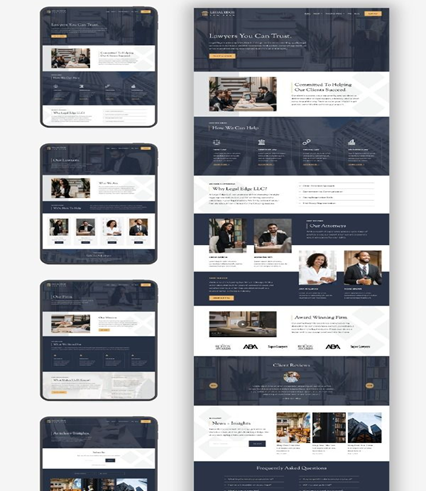
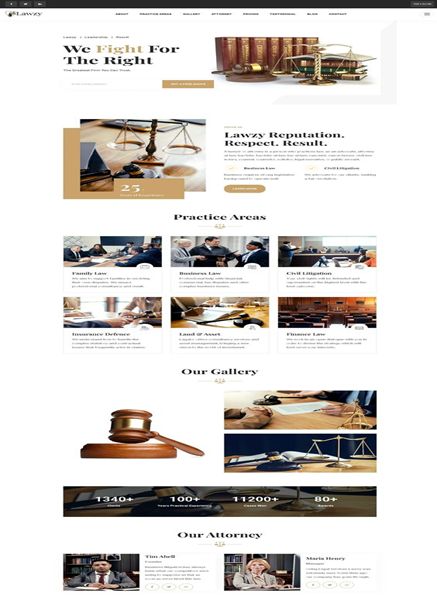
     In today’s digitally-driven landscape, a law firm’s website isn’t just a virtual business card—it’s the cornerstone of its online presence. Much like a well-appointed office conveys professionalism and trust, a meticulously crafted website serves as a gateway for potential clients to explore a firm’s services and expertise. As we delve into 2024, the realm of lawyer website design continues to evolve, with new trends and innovations reshaping the digital storefronts of legal practices worldwide. In this article, we embark on a journey through the latest advancements and standout features of the best lawyer websites, uncovering the strategies and elements that make them not only visually stunning but also highly functional and user-centric. From responsive layouts that adapt seamlessly to various devices to engaging visuals and interactive tools that enhance the user experience, these websites exemplify the intersection of design prowess and legal prowess in the digital age. Join us as we explore the frontiers of law firm website design and discover what sets the best apart from the rest in 2024.


    Responsive Design

    Responsive design stands as a cornerstone principle in the realm of website development, particularly in the legal domain. In essence, it refers to the aptitude of a website to adapt dynamically to the screen size and resolution of any device, be it a desktop computer, a tablet, or a smartphone. This adaptability ensures that users encounter an interface optimized for their specific device, thereby facilitating seamless navigation and optimal user experience.

    At its core, responsive design operates through a combination of fluid grids, flexible images, and media queries. Fluid grids enable the content to proportionally adjust based on the screen size, ensuring readability and visual coherence across devices. Flexible images, on the other hand, scale appropriately to fit the available space without sacrificing quality or distorting proportions. Media queries, a pivotal component, allow developers to apply different stylesheets based on factors like screen width, enabling targeted adjustments to layout, typography, and other design elements.


    The significance of responsive design extends far beyond mere aesthetics. With the proliferation of mobile devices and varying screen sizes, a failure to embrace responsiveness can result in alienating a significant portion of potential clients. Moreover, search engines such as Google prioritize mobile-friendly websites in their rankings, further underscoring the importance of responsive design from an SEO standpoint.

    Responsive Design epitomizes the ethos of adaptability and accessibility in modern website development. By seamlessly accommodating the diverse array of devices through which users access the internet, it not only enhances user experience but also bolsters a law firm’s online visibility and credibility. Thus, in the landscape of legal website design, responsiveness remains an indispensable tenet, embodying the symbiosis of user-centricity and technological innovation.


    User-Centric Navigation

    User-centric navigation lies at the heart of an effective law firm website, serving as the roadmap that guides visitors on their journey to find relevant information and services. Unlike navigating the intricate corridors of legal statutes, user-friendly website navigation should be intuitive, straightforward, and frictionless, ensuring that visitors can easily locate what they’re seeking without unnecessary detours or confusion.

    Key elements of user-centric navigation include clear and concise menu structures, strategically placed call-to-action buttons, and logical page hierarchies. These components work in tandem to streamline the user experience, facilitating seamless movement throughout the website and minimizing the cognitive load on visitors.

    At the forefront of user-centric navigation is the principle of information scent—a concept borrowed from psychology—which posits that users are more likely to pursue a path that promises to lead them closer to their desired information. Law firm websites leverage this principle by organizing content in a hierarchical manner, with primary navigation options leading to broad categories of information and submenus offering more specific details within each category.

    Moreover, user-centric navigation extends beyond the desktop experience to encompass mobile devices, where space is often limited. On smaller screens, collapsible menus and hamburger icons provide a tidy solution for preserving screen real estate while still offering access to navigation options.

    Ultimately, user-centric navigation is about putting the needs and preferences of visitors front and center, ensuring that they can effortlessly navigate the digital landscape of a law firm’s website. By prioritizing clarity, simplicity, and ease of use, firms can enhance engagement, foster trust, and ultimately convert visitors into clients. In the competitive arena of legal services, user-centric navigation emerges as a strategic imperative, aligning the website’s architecture with the user’s journey and aspirations.


    Compelling Visuals:

    In the realm of law firm websites, compelling visuals serve as powerful tools for captivating visitors and conveying the firm’s brand identity and professionalism. Unlike the dense legal documents and verbose contracts that define the legal profession, visuals offer a refreshing breather—a visual narrative that speaks volumes without uttering a word.

    At the forefront of compelling visuals are high-quality images that capture the essence of the firm’s practice areas, office ambiance, and team members. From striking portraits of attorneys exuding confidence and expertise to picturesque views of the firm’s office space, these images not only showcase the firm’s professionalism but also humanize its brand, fostering a sense of connection and trust with visitors.

    Moreover, videos have emerged as a dynamic medium for engaging visitors and offering a glimpse into the firm’s culture, values, and expertise. Whether through client testimonials, attorney interviews, or behind-the-scenes footage, videos provide a multidimensional perspective that resonates with viewers on an emotional level, leaving a lasting impression and enhancing brand recall.

    In addition to imagery and videos, typography plays a pivotal role in shaping the visual identity of a law firm website. Thoughtfully selected fonts convey professionalism, credibility, and personality, while also ensuring readability across various devices and screen sizes.

    Furthermore, the strategic use of color can evoke specific emotions and associations, influencing visitors’ perceptions of the firm and its brand. Whether through a bold color palette that exudes confidence and authority or a softer, more muted scheme that conveys professionalism and sophistication, color choices contribute to the overall visual impact of the website.

    Compelling Visuals are more than mere embellishments—they are integral components of a law firm’s online presence, shaping perceptions, fostering engagement, and driving conversions. By leveraging high-quality images, engaging videos, thoughtfully selected typography, and strategic color choices, law firms can create visually captivating websites that leave a lasting impression on visitors, setting themselves apart in a competitive landscape.


    Interactive Features:

    In the digital age, where attention spans are fleeting and engagement is paramount, interactive features have emerged as invaluable assets for law firm websites. These dynamic elements not only captivate visitors’ interest but also foster meaningful interactions, transforming passive viewers into active participants in the online experience.

    One of the most prevalent interactive features found on law firm websites is live chat support—a real-time communication tool that allows visitors to engage with a representative of the firm instantly. Whether seeking information about services, scheduling appointments, or addressing inquiries, live chat offers a convenient and efficient channel for communication, enhancing accessibility and responsiveness.

    Another popular interactive feature is the online appointment scheduling tool, which empowers visitors to book consultations or meetings with attorneys directly through the website. By streamlining the scheduling process and eliminating the need for phone calls or emails, this feature enhances user experience and facilitates conversion, converting website visitors into potential clients with ease.

    Additionally, interactive contact forms provide a user-friendly means for visitors to reach out to the firm, allowing them to submit inquiries or requests for information quickly and conveniently. By customizing form fields and prompts based on the visitor’s needs, law firms can gather relevant information upfront, streamlining the communication process and enabling prompt follow-up.

    Beyond communication tools, multimedia presentations offer another avenue for engagement and interaction on law firm websites. Whether through informative videos, webinars, or interactive presentations, multimedia content provides valuable resources and insights into the firm’s areas of expertise, educating visitors and showcasing the firm’s capabilities in a compelling and memorable format.

    Interactive features play a crucial role in enhancing user engagement, facilitating communication, and driving conversions on law firm websites. By incorporating live chat support, online appointment scheduling tools, interactive contact forms, and multimedia presentations, firms can create dynamic and user-centric online experiences that resonate with visitors and differentiate them in a competitive market.


    Content-Rich Pages:

    In the digital landscape of law firm websites, content reigns supreme. Beyond mere aesthetics, the substance and depth of content play a pivotal role in informing, educating, and engaging visitors, ultimately driving conversions and establishing the firm’s authority in its practice areas.

    At the heart of content-rich pages are blog posts and articles that address timely legal topics, industry trends, and common questions and concerns faced by potential clients. By offering valuable insights, analysis, and practical advice, these resources demonstrate the firm’s expertise and commitment to client empowerment, positioning it as a trusted source of information and guidance.

    In addition to blog content, case studies provide tangible evidence of the firm’s successes and achievements, offering real-world examples of how the firm has helped clients navigate complex legal challenges and achieve favorable outcomes. By showcasing specific results and highlighting the firm’s strategic approach and problem-solving abilities, case studies inspire confidence and credibility, instilling trust in potential clients.

    Moreover, client testimonials offer a powerful form of social proof, providing firsthand accounts of clients’ experiences with the firm and its attorneys. By sharing authentic testimonials and reviews, law firms can showcase their track record of client satisfaction and reinforce their reputation for excellence, fostering trust and credibility with prospective clients.

    Beyond written content, multimedia elements such as videos, infographics, and podcasts offer alternative formats for presenting information and engaging visitors. Whether through visually engaging presentations, audio interviews with attorneys, or interactive infographics that simplify complex legal concepts, multimedia content enhances engagement and facilitates knowledge transfer in a dynamic and memorable manner.

    Content-rich pages serve as the cornerstone of a law firm’s online presence, offering valuable resources and insights that inform, educate, and inspire visitors. By delivering high-quality blog content, compelling case studies, authentic client testimonials, and engaging multimedia presentations, law firms can establish themselves as authoritative voices in their respective practice areas, attracting and retaining clients with valuable information and expertise.


    Conclusion:

    Our exploration of the best lawyer websites and the pivotal role they play in today’s digital landscape, it’s evident that the intersection of design innovation, user-centricity, and compelling content sets the stage for success in the competitive realm of legal services.

    To further enhance your understanding and implementation of these principles, consider exploring resources like Technocratiq’s comprehensive guide to law firm marketing https://technocratiq.com/law-firm-marketing/. This valuable resource offers insights, strategies, and best practices for leveraging digital marketing techniques to elevate your firm’s online presence, attract new clients, and nurture existing relationships.

    Visit our website for more insights, case studies, and expert tips. Our team of gaming industry veterans and marketing psychologists is here to help you create content that players can’t resist sharing.

    Talk to our expert: Call Now

    WhatsApp for a quick response: Chat Now

    Send email query: info@technocratiq.com

    Book a slot as per your availability: Book Now

    PS: You can also request for a quote directly using this form: RFQ Form

    Subscribe to our mailing list to stay updated!

  • The Importance of Data-Driven Marketing in Healthcare

    The Importance of Data-Driven Marketing in Healthcare

    Introduction

    The rise of data-driven approaches is revolutionizing the healthcare sector, promising to revolutionize patient outcomes, boost clinical decision-making, and cut costs. Across the healthcare landscape, organizations are embracing data-driven strategies to inform decisions, enhance performance, and shape business strategies. In this blog post, we’ll delve into the world of data-driven healthcare, examining how it operates, the advantages it brings, and the hurdles it faces. Let’s explore how data is reshaping the future of healthcare.

    Understanding Data-Driven Healthcare

    Data-driven healthcare is all about harnessing the power of data to make informed decisions. When a healthcare organization adopts a data-driven approach, it relies on data it has collected and analyzed to guide its actions. This means using concrete facts and advanced data analysis tools to gain insights into various aspects of operations and patient behavior.

    For instance, let’s take the case of a dental clinic, ABC, where patients are complaining about long wait times. To address this issue, ABC collects data on the busiest times at the clinic and discovers that most patients arrive between 4 p.m. and 6 p.m. Armed with this data, ABC can then make a data-driven decision. They might opt to bring in an additional dentist during peak hours or suggest alternative appointment times to patients who prefer coming in during those busy periods.

    In essence, being data-driven in healthcare involves leveraging data to optimize processes, improve patient experiences, and ultimately deliver better outcomes.

    Benefits of Data-Driven Marketing in Healthcare

    1. Improved Patient Targeting and Segmentation

    Data analytics revolutionize how healthcare providers identify and reach their target audience. By analyzing patient data such as demographics, medical history, and behavior patterns, providers can personalize marketing messages and interventions. This targeted approach ensures that marketing efforts resonate with specific patient segments, leading to higher engagement and conversion rates. For example, a hospital can use data-driven insights to tailor promotional campaigns for specific services based on patient’s medical needs and preferences.

    1. Enhanced Patient Engagement

    Data-driven marketing plays a crucial role in fostering meaningful interactions between patients and healthcare providers. By leveraging patient data and analytics, providers can deliver personalized communication and educational content that empowers patients to take an active role in their healthcare journey. This approach not only strengthens patient-provider relationships but also promotes health literacy and encourages patients to make informed decisions about their health. For instance, a health system may use data-driven marketing to send targeted reminders for preventive screenings or medication adherence, ultimately improving patient outcomes.

    1. Increased Efficiency and Cost-Effectiveness

    Data-driven marketing enables healthcare organizations to optimize resource allocation and marketing spend, leading to greater efficiency and cost-effectiveness. By analyzing data on patient preferences, engagement metrics, and return on investment (ROI), providers can identify the most effective marketing channels and tactics for reaching their target audience. This data-driven approach allows organizations to allocate their marketing budget more strategically, focusing on initiatives that yield the highest ROI. Additionally, data analytics help identify areas for process improvement and optimization, further enhancing efficiency across marketing operations.

    How data is changing the healthcare sector

    Only a few years ago, 97% of data generated by hospitals remained unused. 

    Today, the majority of organizations are taking advantage of the wide variety of data produced by patients, medical devices, insurance claims, studies, and other sources and using them to improve medical technologies and performances.

    Let’s take a closer look at how data is revolutionizing healthcare, with some real-world examples:

    1. X-Ray Data: X-rays are a quick and painless way to create images of the inside of the body, commonly used to diagnose various medical conditions. After analyzing their X-ray data, a team of clinicians in the U.S. discovered a high rejection rate of around 25%. This led to the development of software that pinpointed the root causes of rejected images, such as poor image quality or patient positioning, reducing manual work, and improving image accuracy.

    2.  Electronic Health Records (EHRs): EHRs serve as digital health records for individuals, allowing convenient access to comprehensive medical information across different healthcare facilities. In a recent study, researchers analyzed EHR data from patients who underwent knee joint replacement surgery. By studying lifestyle factors recorded in EHRs, researchers identified patterns associated with the risk of reoperation after surgery, paving the way for personalized recommendations to support patient and physician decision-making. This innovative approach demonstrates how real-world EHR data can inform healthcare decisions and improve patient outcomes.

    Checklist on How to Transform into a Data-Driven Healthcare Organization

    Transitioning into a data-driven healthcare organization is crucial for harnessing the immense potential of data and seizing revenue-generating opportunities.

    Here’s a simple checklist to kickstart your journey toward becoming a successful, data-driven healthcare organization:

    1. Define Your Data Goals: Start by clearly outlining your organization’s objectives and goals related to data utilization. Determine what you aim to achieve by leveraging data in your operations and decision-making processes.
    • Action Item:
      • Clearly outline your organization’s objectives and goals related to data utilization.
      • Determine what you aim to achieve by leveraging data in your operations and decision-making processes.
    • Tools and Websites:
      • Aha!: A product roadmap software to define and visualize your goals.Aha!
      • Trello: For project management and tracking your goals.Trello
    1. Assess Your Current Data Usage: Evaluate the extent to which your organization currently leverages data. Identify areas where data is being underutilized or overlooked, as well as any existing challenges or limitations.
    • Action Item:
        • Evaluate the extent to which your organization currently leverages data.
        • Identify areas where data is being underutilized or overlooked.
        • Identify any existing challenges or limitations.
    • Tools and Websites:
      • Google Analytics: To assess data usage and identify gaps.Google Analytics
      • Power BI: For visualizing and assessing current data usage.Power BI
    1. Identify Relevant Data Sources: Identify the types of data that are most relevant to your organization’s goals and objectives. This may include patient data, clinical data, operational data, financial data, and more.
    • Action Item:
      • Identify the types of data that are most relevant to your organization’s goals and objectives.
      • This may include patient data, clinical data, operational data, financial data, and more.
    • Tools and Websites:
      • Django: A high-level Python web framework that encourages rapid development and clean, pragmatic design.Django
      • FHIR (Fast Healthcare Interoperability Resources): To identify and use relevant healthcare data standards. FHIR
    1. Review Your Data Infrastructure: Take a close look at your organization’s existing data infrastructure, including data sources, storage systems, and analytics tools. Assess whether your current infrastructure is equipped to handle the volume and complexity of data you plan to work with.
    • Action Item:
        • Take a close look at your organization’s existing data infrastructure.
        • Evaluate data sources, storage systems, and analytics tools.
        • Assess whether your current infrastructure is equipped to handle the volume and complexity of data you plan to work with.
    • Tools and Websites:
      • Amazon Web Services (AWS): For cloud data storage and infrastructure.AWS
      • Apache Hadoop: For scalable storage and processing of large data sets. Apache Hadoop

    5. Integrate High-Quality Data Sources: Ensure that you have access to high-quality, reliable data sources that provide accurate and timely information. Integrate these data sources into your existing infrastructure to enrich your analytics capabilities.

    • Action Item:
      • Ensure access to high-quality, reliable data sources that provide accurate and timely information.
      • Integrate these data sources into your existing infrastructure to enrich your analytics capabilities.
    • Tools and Websites:
      • Snowflake: A cloud data platform for integrating high-quality data sources. Snowflake
      • Talend: For data integration and data integrity.Talend
    1. Break Down Data Silos: Identify and eliminate any data silos or barriers that may exist within your organization. Facilitate seamless data sharing and collaboration across departments and teams to maximize the value of your data assets.
    • Action Item:
        • Identify and eliminate any data silos or barriers that may exist within your organization.
        • Facilitate seamless data sharing and collaboration across departments and teams.
    • Tools and Websites:
      • MuleSoft: To connect applications, data, and devices.MuleSoft
      • Microsoft Azure: For seamless data integration and breaking down silos.Microsoft Azure
    1. Foster a Data-Driven Culture: Cultivate a work environment that values and promotes data-driven decision-making. Encourage employees to embrace data analytics and incorporate data insights into their day-to-day operations.
    • Action Item:
        • Cultivate a work environment that values and promotes data-driven decision-making.
        • Encourage employees to embrace data analytics and incorporate data insights into their day-to-day operations.
    • Tools and Websites:
      • Tableau: To visualize data and foster a data-driven culture.Tableau
      • Coursera: For training and professional development in data analytics.Coursera

    Becoming a data-driven healthcare organization requires a holistic approach and may involve reimagining various business processes.

    By adopting the right strategies and tools, your organization can gain a competitive edge and work towards achieving both local and global healthcare objectives.

    Ethical Considerations and Data Privacy in Healthcare Marketing

    Ensuring patient privacy and confidentiality is paramount in data-driven marketing within the healthcare sector. Patients entrust sensitive personal information to healthcare providers, and any breach of this trust can have severe consequences, including reputational damage and legal liabilities. Therefore, healthcare organizations must adhere to strict ethical guidelines and regulatory frameworks to safeguard patient data.

    Aspect Description Best Practices
    Patient Privacy and Confidentiality Ensuring patient privacy and confidentiality is paramount in data-driven marketing within the healthcare sector. Patients entrust sensitive personal information to healthcare providers, and any breach of this trust can have severe consequences, including reputational damage and legal liabilities. – Implement stringent data protection protocols

    – Limit access to patient data to authorized personnel only

    Regulatory Frameworks Regulatory frameworks such as HIPAA in the United States and GDPR in the EU set stringent standards for the collection, storage, and usage of patient data. – Stay compliant with HIPAA, GDPR, and other relevant regulations

    – Regularly update policies to reflect changes in law

    HIPAA Compliance HIPAA mandates the protection of patient health information and establishes guidelines for its secure handling by healthcare providers and their business associates. – Encrypt data in transit and at rest

    – Conduct regular risk assessments and audits

    GDPR Compliance GDPR imposes strict requirements on the processing and protection of personal data, including healthcare data, within the EU and beyond. – Obtain explicit consent for data processing

    – Provide patients with access to their data and the right to be forgotten

    Informed Consent Obtaining informed consent from patients before collecting their data is crucial to uphold ethical standards. – Use clear, concise language in consent forms

    – Ensure patients understand what they are consenting to

    Data Security Measures Implementing robust security measures to protect data from unauthorized access or breaches is essential. – Use multi-factor authentication (MFA)

    – Regularly update and patch systems to fix vulnerabilities

    Transparency in Data Usage Ensuring transparency in how patient data is used for marketing purposes builds trust with patients. – Provide clear privacy notices

    – Regularly communicate data usage policies to patients

    Minimization of Data Collection Collecting only the data necessary for marketing purposes minimizes the risk of data breaches and misuse. – Perform data audits to eliminate unnecessary data

    – Anonymize data where possible

    Third-Party Data Sharing Sharing patient data with third parties requires careful consideration to avoid breaches of confidentiality and compliance issues. – Vet third-party vendors for compliance

    – Use data-sharing agreements to enforce privacy obligations

    Continuous Monitoring and Improvement Continuously monitoring and improving data protection practices helps maintain high ethical standards. – Implement ongoing training programs for staff

    – Use advanced analytics to detect and respond to potential data breaches

    How you can take action NOW.

    While navigating the complexities of data-driven healthcare, it’s essential to prioritize ethical considerations and patient privacy, adhering to regulatory standards and best practices.

    At TIQ Digital, we stand as the #1 Healthcare Growth Catalysts, committed to empowering healthcare organizations with tailored solutions and unwavering support. Trust us to be your partner in success as we pave the way for a brighter, data-driven future in healthcare.

    Contact us now to schedule a consultation and discover how Technocratiq Digital can help you achieve your marketing goals. Together, let’s create a winning strategy that sets your firm apart and drives success in the digital world.

    Talk to our expert: Call Now

    WhatsApp for a quick response: Chat Now

    Send email query: info@technocratiq.com

    Book a slot as per your availability: Book Now 

    PS: You can also request for a quote directly using this form: RFQ Form

    Subscribe to our mailing list to stay updated!

    Chat on WhatsApp Chat Now!
    Connect with Us via Email Today!

  • Unveiling the Future: The Evolution from Universal Analytics to Google Analytics 4

    Unveiling the Future: The Evolution from Universal Analytics to Google Analytics 4

    In today’s fast-paced world of data analytics, keeping up with the latest technological advancements is crucial for businesses aiming to thrive in a fiercely competitive landscape. That’s where Google Analytics 4 steps in – it’s not just another analytics platform; it’s a game-changer that’s set to redefine how businesses perceive and interpret consumer behavior across websites and apps.

    Imagine having a tool at your fingertips that goes beyond the standard metrics, offering you deep insights into how users interact, their preferences, and the trends they follow, regardless of the digital platform they’re on. That’s the power of Google Analytics 4 – it’s not just about collecting data; it’s about understanding your audience on a whole new level.

    But what makes Google Analytics 4 stand out is its ability to adapt seamlessly to the ever-changing technological and regulatory landscapes. In a world where technology evolves at lightning speed and data privacy regulations become increasingly stringent, businesses need an analytics solution they can rely on. Google Analytics 4 rises to the occasion, continuously evolving to meet the demands of today’s dynamic environment.

    And let’s remember the magic of Google AI. By harnessing the power of sophisticated machine learning algorithms, Google Analytics 4 doesn’t just crunch numbers – it provides actionable insights that help businesses make smarter decisions. From analyzing past consumer behavior to predicting future trends, Google Analytics 4 gives businesses the edge they need to stay ahead of the curve.

    In essence, Google Analytics 4 isn’t just a tool – it’s a game-changer. It offers businesses a comprehensive understanding of their audience, unmatched adaptability to technological advancements, and the predictive capabilities of Google AI. So as businesses navigate the complexities of the digital age, Google Analytics 4 emerges as their trusted ally, helping them unlock valuable insights and drive informed decision-making every step of the way.

    Prepare for the future with Google Analytics 4

    Significance of Transition:

    • Universal Analytics, a trusted tool since 2005, is being deprecated in favor of Google Analytics 4 (GA4), necessitating a shift in analytics platforms.
    • Google’s announcement in October 2020 marked the beginning of the transition process.

    Challenges and Adaptation:

    • Switching from Universal Analytics or GA3 to GA4 may appear daunting initially due to the introduction of new complexities.
    • However, with the impending sunset of Universal Analytics, transitioning to GA4 becomes a necessity rather than a choice.

    Timeline and Sunset Dates:

    • As of July 2023, the free version of Google Analytics will cease data collection, prompting users to migrate to GA4 promptly.
    • The updated sunset date of July 1, 2024, for enterprise publishers emphasizes the urgency of the transition.

    Access to Previous Data:

    • Users will have access to previously processed data in their Universal Analytics property for at least six months after July 1, 2023.
    • Exporting all previous reports during this period is crucial to ensure the continuity of data insights.

    Forecast for Universal Analytics Properties:

    • Google will provide a forecast indicating when current Universal Analytics properties will no longer be accessible.
    • After this forecasted date, users won’t be able to view reports or interact with analytics data via the API.

    Impact on Small Publishers:

    • The transition will have a significant impact on small publishers and independent website owners who rely heavily on the free Google Analytics account.
    • Transitioning to GA4 is imperative for small publishers to continue utilizing Google Analytics for free and accessing valuable data insights.

    Embracing GA4 for Future Success:

    • While the transition may pose initial challenges, embracing GA4 ensures alignment with Google’s latest analytics platform.
    • Transitioning to GA4 enables businesses to stay ahead in understanding and optimizing their online presence for future success.

    Account Structuring for Efficiency: Maximizing Data Governance and Integration

    Subproperties and Roll-Up Properties for Data Governance:

    • Subproperties and roll-up properties in Google Analytics 4 play a crucial role in organizing and managing data effectively.
    • Subproperties allow businesses to segment their data based on different properties, such as regions, product lines, or business units, ensuring a clear and structured hierarchy.
    • Roll-up properties aggregate data from multiple subproperties, providing a consolidated view for overarching analysis and strategic decision-making.
    • This structured approach enhances data governance by ensuring data consistency, accuracy, and compliance with regulatory requirements.

    Access Control and Reporting Goals:

    • Subproperties and roll-up properties also facilitate access control by enabling businesses to assign specific permissions and restrictions to different teams or stakeholders.
    • This granular access control ensures that users only have access to the data relevant to their roles, enhancing security and confidentiality.
    • Moreover, customized reporting experiences can be assigned to different teams within each subproperty, allowing for tailored insights and reports that align with specific reporting goals and objectives.

    Integration with Display & Video 360, Campaign Manager 360, and Search Ads 360:

    • Google Analytics 4’s upcoming integration with Display & Video 360, Campaign Manager 360, and Search Ads 360 further enhances efficiency and streamlines media buying goals.
    • This integration enables seamless data sharing and synchronization between Google Analytics 4 and these advertising platforms, providing a unified view of campaign performance and attribution.
    • Businesses can leverage integrated insights to optimize media buying strategies, allocate budgets effectively, and maximize ROI across multiple channels.
    • Additionally, the integration facilitates cross-channel attribution, allowing businesses to understand the full customer journey and allocate resources based on holistic insights.

    Benefits of Integration:

    • By integrating Google Analytics 4 with Display & Video 360, Campaign Manager 360, and Search Ads 360, businesses can break down data silos and achieve a holistic view of their marketing efforts.
    • This unified approach enables better decision-making, improved targeting, and enhanced campaign performance across all digital channels.
    • Furthermore, the integration fosters collaboration between marketing teams and advertising partners, facilitating seamless execution and optimization of marketing campaigns.

    The Future of Analytics: Transitioning to Google Analytics 4

    In today’s digital age, data is the lifeblood of businesses, providing valuable insights that drive strategic decisions and fuel growth. For years, Google Analytics has been the go-to tool for businesses seeking to understand user behavior and optimize their online presence. However, with the introduction of Google Analytics 4 (GA4), a new era of analytics has dawned, offering enhanced capabilities and features designed to meet the evolving needs of modern businesses.

    Enhanced Data Export to BigQuery

    Google Analytics 4 significantly improves data export capabilities, particularly with its integration with BigQuery. Imagine you’re a marketing manager for an e-commerce company. With GA4’s faster and more complete export type to BigQuery, you can now access real-time insights into customer behavior, campaign performance, and sales trends. By harnessing first-party data from GA4, you can create customized predictive lifetime models in BigQuery, allowing you to anticipate customer preferences and tailor your marketing strategies accordingly.

    Migration to Google Analytics 4

    As a business owner or digital marketer, the urgency to switch from Universal Analytics to Google Analytics 4 cannot be overstated.

    Let’s consider a scenario: you operate a global online retail store. Failure to migrate to GA4 by March 2024 could result in data loss and disruptions to your data analysis workflows. Moreover, the migration is about staying compliant with regulatory requirements and unlocking new capabilities and features that GA4 offers, such as cross-device tracking and event-based reporting.

    Programmatic Upgrade via API

    Managing multiple properties can be a daunting task, especially when it comes to transitioning to a new analytics platform. However, with Google Analytics 4’s programmatic upgrade option via the API, the process becomes seamless and efficient. For instance, if you’re a digital agency managing thousands of client properties, the API-based approach simplifies the migration process, saving you time and resources while ensuring consistency and scalability.

    Partnering with TIQ Digital: Your Path to Digital Excellence with Google Analytics 4

    TIQ Digital is your reliable partner in this endeavor as companies handle the challenges of making the switch to Google Analytics 4. Being a top digital marketing agency, TIQ Digital enables companies to take advantage of the newest analytics platforms and realize their full potential for expansion. TIQ Digital is dedicated to supporting your success in the rapidly changing digital landscape, offering everything from smooth transfer methods to customized insights and optimization tactics. You may successfully embrace the future of analytics and seize new opportunities when TIQ Digital is on your side. Allow us to lead you towards a more promising future in which data-driven choices advance your company. Join TIQ Digital as a partner now to start your journey towards digital excellence.

  • Quick Wins: Fastvertising Tactics That Deliver Instant ROI

    Quick Wins: Fastvertising Tactics That Deliver Instant ROI

    In the dynamic realm of modern business, where change is constant and consumer expectations evolve in the blink of an eye, the need for instant results has become a paramount force driving marketing strategies. This blog dives into the realm of “Fastvertising,” a cutting-edge approach that not only acknowledges the accelerated pace of our digital landscape but harnesses it for unprecedented success.

    The Need for Speed in Advertising: Accelerating Success in a Dynamic Landscape

    In the perpetual motion of the digital era, the landscape of consumer behavior is undergoing a rapid transformation, necessitating a paradigm shift in advertising strategies. This section delves into the imperative need for speed in advertising, propelled by the changing dynamics of consumer behavior and the challenges businesses confront in this swiftly evolving digital terrain.

    Challenges Businesses Face in a Fast-Paced Digital Landscape:

    In the race against time, businesses encounter a multitude of challenges in the digital arena. Traditional advertising models, which often involve prolonged planning and execution phases, struggle to keep up with the speed at which trends emerge and fade. The challenges include:

    • Rapid Technological Changes: Technologies evolve swiftly, and businesses must grapple with staying abreast of these changes to remain technologically relevant in their advertising efforts.
    • Fierce Competition for Attention: The digital space is saturated with content from myriad sources. Breaking through the noise to capture the attention of a target audience demands innovative and swift strategies.
    • Shortened Consumer Attention Spans: The average attention span has dwindled, and businesses must convey their message effectively within a narrow window of opportunity to engage their audience.
    • Instantaneous Consumer Feedback: Social media platforms have given consumers a powerful voice. Immediate feedback, both positive and negative, can shape perceptions and influence the success of advertising efforts.
    • Introducing Fastvertising as the Solution: In response to these challenges, Fastvertising emerges as a strategic solution tailored for the exigencies of the modern business landscape. Fastvertising is not merely about speed; it’s a comprehensive approach that recognizes the need for immediacy in every facet of advertising.
    • Agile Campaign Execution: Fastvertising embraces agility, allowing businesses to pivot quickly in response to emerging trends or shifts in consumer sentiment. Campaigns are designed to be adaptable, ensuring relevance in the face of change.
    • Real-time Data Utilization: Leveraging real-time data insights, Fastvertising empowers businesses to make informed decisions on-the-fly. This data-driven approach ensures that campaigns are not only swift but also strategically optimized for immediate impact.
    • Timely and Relevant Content: Fastvertising prioritizes the creation of content that is not only visually compelling but also relevant in the moment. This ensures that the message resonates with the audience’s current interests and needs.
    • Multi-Platform Synchronization: Recognizing the diverse touchpoints of the modern consumer, Fastvertising ensures a synchronized presence across various platforms. This multi-platform integration maximizes visibility and engagement.

    Decoding Fastvertising: What Sets It Apart?

    Fastvertising, a fusion of “fast” and “advertising,” is a strategic approach that prioritizes speed, responsiveness, and adaptability in marketing efforts. At its core, it’s about crafting and executing campaigns with the agility needed to keep pace with the rapid changes in consumer behavior, technology, and market trends.

    Key Characteristics of Fastvertising:

    1. Agility: Fastvertising thrives on agility, allowing businesses to respond swiftly to emerging opportunities or challenges. Campaigns are designed to be flexible, ensuring that adjustments can be made in real-time based on evolving data and market dynamics.
    2. Immediacy: Immediacy is the heartbeat of Fastvertising. It’s not just about delivering a message quickly; it’s about prompting immediate responses from the audience. Fastvertising campaigns are structured to elicit rapid engagement, whether in the form of a purchase, sign-up, or interaction.
    3. Adaptability: The ability to adapt to changing consumer preferences and market dynamics is a hallmark of Fastvertising. Campaigns are not static; they evolve continuously based on real-time insights, ensuring that the message remains relevant and impactful.
    4. Data-Driven Insights: Fastvertising leverages data analytics to inform decision-making. Real-time insights guide the optimization of campaigns for immediate impact. The use of data ensures that strategies are not only swift but also strategically aligned with the audience’s behaviours and expectations.
    5. Multi-Platform Integration: Recognizing the diverse ways modern consumers interact with content, Fastvertising ensures a seamless presence across multiple platforms. Integration across social media, search engines, and other channels creates a cohesive brand experience, maximizing reach and engagement.

    How Fastvertising Differs from Traditional Advertising Methods

    Fastvertising represents a departure from traditional advertising approaches, marked by its dynamic nature and response to the accelerated pace of the digital era.

    1. Time Sensitivity: Traditional advertising often follows a more extended planning and execution timeline. Fastvertising, on the other hand, operates in real-time, capitalizing on immediate opportunities and swiftly adjusting to changes.
    2. Flexibility and Iteration: Fastvertising campaigns are designed with inherent flexibility. They can be adjusted on-the-fly based on real-time data, feedback, or shifts in market dynamics. Traditional advertising may lack this adaptability.
    3. Consumer-Centric Focus: Fastvertising places a premium on meeting the immediate needs and expectations of the consumer. Traditional advertising models might prioritize longer-term brand building over immediate consumer satisfaction.
    4. Rapid Response to Trends: Fastvertising is primed to capitalize on emerging trends swiftly. Traditional advertising, due to its longer planning cycles, may struggle to keep pace with the rapid emergence and fade of trends.

    Actionable Fastvertising Strategies for Quick Wins: Accelerating Success in Real-Time

    In the fast-paced world of digital marketing, achieving immediate returns on investment (ROI) is not just a goal but a necessity. Fastvertising, a strategic approach emphasizing speed, agility, and real-time responsiveness, is the key to unlocking swift success. Here are some tactics within the realm of Fastvertising that can deliver instant ROI for your business:

    1.Flash Sales and Limited-Time Offers:

    Tactic: Create a sense of urgency with time-sensitive promotions.

    How it Works: Limited-time discounts or exclusive offers prompt quick consumer action, driving immediate sales and engagement.

    2.Influencer Partnerships:

    Tactic: Collaborate with influencers for rapid reach and engagement.

    How it Works: Leveraging the trust and reach of influencers can result in immediate brand visibility and increased conversions.

    3.Social Media Blitz Campaigns:

    Tactic: Execute concentrated bursts of engaging content across platforms.

    How it Works: Saturating social media channels with high-impact content maximizes visibility, leading to rapid audience engagement.

    4.PPC Campaign Optimization:

    Tactic: Optimize pay-per-click campaigns for immediate results.

    How it Works: Strategic bidding, targeted ads, and real-time adjustments ensure your brand is prominently featured, leading to swift conversions.

    5.Real-Time Data-Driven Insights:

    Tactic: Leverage analytics tools for real-time campaign adjustments.

    How it Works: Data-driven decisions based on real-time insights enhance campaign effectiveness, ensuring immediate impact.

    6.Dynamic Email Marketing:

    Tactic: Craft personalized and dynamic email campaigns.

    How it Works: Tailored emails based on user behavior and preferences result in higher open rates and immediate conversions.

    7.Interactive Content:

    Tactic: Implement quizzes, polls, and interactive elements.

    How it Works: Interactive content captures attention swiftly, encouraging immediate engagement and sharing.

    8.Social Proof Utilization:

    Tactic: Showcase customer testimonials and reviews.

    How it Works: Building trust through social proof leads to quicker purchase decisions and increased immediate conversions.

    9.Limited-Quantity Offers:

    Tactic: Emphasize scarcity with limited-quantity promotions.

    How it Works: Creating a sense of exclusivity and scarcity prompts quick action from consumers eager to secure the limited offer.

    10.Mobile Optimization:

    Tactic: Ensure fast-loading and mobile-friendly experiences.

    How it Works: With the majority of users on mobile, optimizing for quick and seamless experiences boosts immediate engagement and conversions.

    Incorporating these Fastvertising tactics into your marketing strategy can propel your brand towards swift success, ensuring immediate returns on investment. By leveraging speed, agility, and real-time responsiveness, businesses can thrive in the fast-paced digital landscape and make every marketing effort count toward immediate and impactful results.

    Examples of successful implementation of Fastvertising tactics by the mentioned companies and the impact on their Return on Investment (ROI):

    Fastvertising Tactic

                Companies implemented tactic

    Impact on ROI

    Flash Sales and Limited-Time Offers

    Amazon Prime Day, creating a frenzy of time-limited deals

    Significant surge in sales during the event

    Influencer Partnerships

    Nike collaborating with athletes for product launches

    Rapid increase in brand visibility and engagement

    Social Media Blitz Campaigns

    Coca-Cola’s #ShareACoke campaign across social platforms

    Sustained buzz and increased social media mentions

    PPC Campaign Optimization

    Google optimizing ads for trending search queries

    Immediate visibility and increased click-throughs

    Real-Time Data-Driven Insights

    Netflix adjusting content recommendations based on user data

    Improved user engagement and retention

    Dynamic Email Marketing

    Spotify’s personalized playlists based on user preferences

    Higher open rates and increased premium subscriptions

    Interactive Content

    BuzzFeed’s quizzes and polls engaging users on social media

    Immediate interaction and content sharing

    Social Proof Utilization

    Amazon prominently featuring customer reviews on product pages

    Increased trust and accelerated purchase decisions

    Limited-Quantity Offers

    Apple’s limited edition product releases

    Swift sell-outs and heightened brand exclusivity

    Mobile Optimization

    Starbucks optimizing its mobile app for quick and seamless transactions

    Increased mobile orders and enhanced user experience

    Embracing Fastvertising: A Game-Changer for Businesses:

    In a business landscape characterized by rapid changes and a demand for instant gratification, embracing Fastvertising becomes a game-changer. It’s not merely a marketing strategy; it’s a transformative approach that aligns with the pulse of the digital age.

    • Immediate ROI: Fastvertising positions businesses to achieve instant Return on Investment. Whether through flash sales driving immediate sales boosts or social media blitz campaigns creating a surge in brand awareness, the swift nature of Fastvertising ensures that the impact is immediate and tangible.
    • Competitive Edge: In a crowded marketplace, the ability to respond swiftly to market shifts and consumer needs provides a competitive edge. Fastvertising positions your brand as not just responsive but as a trailblazer in the fast-paced digital arena.
    • Adapting to Modern Consumer Expectations: Modern consumers, with their shortened attention spans and a desire for instant value, resonate with Fastvertising. By aligning with their expectations, businesses create meaningful connections that go beyond momentary transactions.

    Take the Leap into the World of Fastvertising with TIQ Digital:

    We invite you to embark on a journey into the world of Fastvertising with TIQ Digital as your trusted guide. Explore the endless possibilities that agility and real-time responsiveness can bring to your brand. Seize the opportunities that emerge in the blink of an eye, and lead the race for consumer attention with confidence.

    Personalized Consultation: For a personalized consultation on how Fastvertising can revolutionize your brand’s marketing strategy, reach out to Mr. Amit Sharma at amit@technocratiq.com. Our team is ready to collaborate with you, helping chart a course toward marketing excellence tailored to your unique goals and challenges.

    Chat with Us Now! Have questions or want to dive deeper into the world of Fastvertising? Click the chat button now to connect with our team. We’re here to provide insights, guidance, and support.

    Spread the Word! Finally, if you found this blog post insightful and believe others in your network could benefit from the wisdom of Fastvertising, we encourage you to share it.