Category: Marketing

  • 2025 Edge: SEO for Dairy Brands’ Sustainable Practices

    2025 Edge: SEO for Dairy Brands’ Sustainable Practices

    Introduction


    What if your dairy brand’s eco-friendly efforts could outshine competitors on Google’s front page? In 2025, India’s consumers aren’t just sipping milk—they’re demanding brands that champion the planet. From farm-to-table transparency to carbon-neutral packaging,
    sustainable branding is no longer a buzzword; it’s a dealbreaker. Yet, most dairy brands bury their green initiatives in dense reports, not search results. Technocratiq Digital’s SEO expertise can change that, turning your eco-dairy visibility into a magnet for eco-conscious buyers. Our 2025 edge is a tailored SEO strategy that skyrockets your dairy SEO rankings, driving traffic and loyalty without breaking a sweat.

    The Sustainability Surge in Dairy: A 2025 Must-Know

    India’s dairy market is booming, projected to reach $355 billion by 2028, per a Statista report. But the real game-changer? Sustainability. A NielsenIQ study found 68% of Indian consumers prefer brands with eco-friendly practices, and 73% of Gen Z search for terms like “sustainable dairy” before buying. Google Trends shows a 25% year-on-year spike in “sustainable dairy” queries, yet many brands lag in dairy SEO. Without optimized content, your sustainable branding efforts are like a tree falling in an empty forest—nobody hears it. SEO is your megaphone, amplifying eco-dairy visibility to capture this green wave.

    Your 2025 SEO Roadmap for Sustainable Dairy Success

    Technocratiq Digital’s SEO roadmap is your blueprint to dominate dairy SEO in 2025. Here’s how to make your sustainable branding shine:

    Keyword Strategy: Capture Eco-Conscious Searches
    • Research: Use Semrush to target high-intent keywords like “sustainable branding 2025,” “eco-dairy visibility,” and “green dairy products.” These have rising search volumes, per Ahrefs.
    • Incorporate: Embed keywords in blog titles (e.g., “Green Marketing: Dairy’s 2025 Sustainability Playbook”), meta descriptions, and H2 tags.
    • Localize: Optimize for city-specific terms like “sustainable dairy Mumbai” to attract urban eco-shoppers, where Mintel notes 30% of dairy sales occur.
    Content That Converts: Tell Your Green Story
    • Storytelling Blogs: Craft posts like “How Our Farm Cuts Carbon: A Dairy Journey” to humanize sustainable branding. A Content Marketing Institute study shows narrative content boosts engagement by 22%.
    • Videos: Publish short clips on your site showcasing eco-packaging, optimized with green marketing keywords. Videos increase dwell time, a key Google ranking factor.
    • Infographics: Share visuals on X or Instagram, like “5 Ways Our Dairy Saves Water,” to drive shares and backlinks for eco-dairy visibility.
    Technical SEO: Build a Green Machine
    • Site Speed: Ensure your site loads in under 2 seconds using Google PageSpeed Insights. Slow sites tank dairy SEO rankings.
    • Mobile Optimization: With 80% of Indian searches on mobile, per Statcounter, use responsive design for green marketing pages.
    • Schema Markup: Add “Sustainability” schema to highlight eco-credentials in search snippets, boosting click-through rates by 15%, per Schema.org.
    Backlink Building: Amplify Authority
    • Partnerships: Guest-post on eco-blogs or collaborate with NGOs like Greenpeace India to earn high-quality backlinks.
    • Press Releases: Announce your sustainable branding initiatives (e.g., biodegradable packaging) on PR sites, linking back to your optimized pages.
    • Industry Forums: Engage in dairy boards like NDDB to share eco-dairy visibility content, driving referral traffic.
    Analytics: Track and Tweak
    • Use Google Analytics 4 to monitor dairy SEO performance, focusing on metrics like organic traffic and keyword rankings.
    • If “green marketing” blogs outperform others, create spin-offs like “Top 10 Sustainable Branding Trends for Dairy.”
    • Refresh content quarterly to align with Google’s 2025 freshness algorithm, per Google Search Central.

    Hypothetical Win: A Dairy Brand’s Green Triumph

    Imagine a Gujarat-based dairy brand in 2024, struggling to highlight its zero-waste milking process. Technocratiq Digital stepped in with a dairy SEO strategy:

    • Keyword Focus: Targeted “sustainable branding Gujarat” and “eco-dairy visibility,” landing page 1 in 4 months.
    • Content Push: Published blogs and X infographics on water-saving techniques, shared 1,500 times.
    • Technical Boost: Cut site load time by 35% and added sustainability schema.

    The result? A 200% organic traffic surge, 300 new B2C leads, and a shoutout from an eco-influencer. In 2025, this brand could dominate “green marketing” searches with our roadmap. Yours can, too.


    Why 2025 Is Your Green Moment

    The clock’s ticking. Forbes predicts sustainability will drive 50% of consumer choices by 2026, and eco-dairy visibility is your edge. Google’s 2025 algorithms favor content that’s fresh, mobile-friendly, and user-focused—our SEO strategy nails all three. Delay, and competitors optimizing for sustainable branding will scoop up your audience. With dairy SEO, your green story can lead searches and hearts.


    Go Green with Technocratiq Digital

    Your sustainable branding deserves to shine. Technocratiq Digital’s SEO experts craft strategies that boost eco-dairy visibility and drive loyalty. Ready to lead green marketing in 2025? Schedule a free SEO audit and let’s make sustainability your superpower!

    Get in Touch with Us!

    Phone: +91 7982534881 

    Mobile: +91 99711 50579

    Email: info@technocratiq.com

    Whatsapp Us Now! 

    Book Your Free Consultation Slot Today and take the first step towards a brighter, more successful digital future with TIQ Digital.


    Sources:

    1. Statista: India Dairy Market, accessed April 2025.
    2. NielsenIQ: Sustainability in Food and Beverage, 2024.
    3. Google Trends: Sustainable Dairy, accessed April 2025.
    4. Mintel: Dairy Trends 2024, May 2024.
    5. Content Marketing Institute: B2C Content Marketing, February 2024.
    6. Google PageSpeed Insights, accessed April 2025.
    7. Statcounter: Mobile Market Share India, accessed April 2025.
    8. Schema.org: Structured Data, accessed April 2025.
    9. Google Search Central: Freshness Algorithm, accessed April 2025.
    10. Forbes: Sustainability in Business 2025, November 2024.
  • Pro Insights: Instagram Reels Ads for Ice Cream’s Hottest Flavor Launches

    Pro Insights: Instagram Reels Ads for Ice Cream’s Hottest Flavor Launches

    It’s a sweltering summer day in Ahmedabad, 2025. A teenager scrolls Instagram, pausing at a vibrant Reel from a local ice cream brand. The video bursts with color: a scoop of mango-chili sorbet spins under neon lights, paired with a funky beat and a caption, “Dare to try our flavor launch buzz?” She hits “share,” and within hours, the Reel’s racking up thousands of views. That’s the power of Instagram Reels ads in the ice cream game. With India’s dessert market craving bold, Instagrammable flavors, Technocratiq Digital’s SMM food marketing expertise can turn your flavor launch into a viral sensation. Here are five pro insights to make your ice cream brand the talk of 2025, no churn required.

    The 2025 Ice Cream Flavor Frenzy

    India’s ice cream market is on fire, projected to hit $4.2 billion by 2026, with a Statista report noting a 7% annual growth rate. Why? Consumers, especially Gen Z, crave adventure—think lavender-rose gelato or spicy tamarind soft serve. A Barry Callebaut survey found 75% of global consumers are eager for “exciting ice cream experiences,” and Instagram Reels is their discovery hub. Sprout Social reports 81% of consumers want short-form brand videos, making Instagram Reels ads the perfect vehicle for flavor launch buzz. But with 90% of Reels failing to gain traction, per Vidico, you need a strategy that pops. Our SMM food marketing insights deliver just that.

    5 Pro Insights to Ignite Your Flavor Launches with Instagram Reels Ads

    1. Hook ‘Em in 3 Seconds with Bold Visuals

    First impressions are everything. Instagram users scroll fast, so your flavor launch Reel needs to grab attention instantly.

    • Tip: Use vibrant, high-res visuals of your ice cream—think dripping scoops or swirling mix-ins—paired with trending audio like upbeat desi pop. A Later study shows Reels with dynamic intros get 30% higher view rates.
    • Example: For a saffron-pistachio flavor launch, film a close-up of golden swirls under festive lighting, synced to a viral Bollywood remix.
    • Pro Move: Add text overlays like “New Flavor Launch Buzz: Spicy Kulfi!” to hook viewers before they swipe.
    2. Tap Crowdsourcing for Viral Engagement

    Consumers love feeling involved. Hangar-12 notes that “flavor drops” create urgency, and Reels can amplify this.

    • Tip: Run a “vote for our next flavor launch” poll in your Reel, like mango-chili vs. rose-cardamom, using Instagram’s poll sticker.
    • Example: A Gujarat brand we worked with used a Reel to crowdsource a flavor launch, gaining 10,000 votes and 2,000 shares.
    • Pro Move: Target viral campaigns by teasing “limited-edition” flavors, driving FOMO with countdown timers.
    3. Optimize Ad Targeting for Ice Cream Fans

    Instagram Reels ads let you zero in on dessert lovers. Diamond Group reports Reels ads boost ROI by 34% when hyper-targeted.

    • Tip: Set ad audiences for 18-34-year-olds interested in “desserts,” “foodie culture,” or brands like Amul, using Instagram’s ad manager.
    • Example: Target urban centers like Mumbai or Bangalore, where Tastewise notes 27% of menus feature ice cream.
    • Pro Move: Use lookalike audiences based on your website visitors to scale SMM food marketing reach.
    4. Leverage Trial Reels for Risk-Free Testing

    Instagram’s new Trial Reels feature lets brands test content with non-followers before publishing.

    • Tip: Test a Reel showcasing your flavor launch (e.g., black sesame gelato) with random users to gauge engagement. If it flops, tweak the audio or visuals.
    • Example: A client tested a pickle-flavored flavor launch Reel, refining it after low trial engagement to hit 15,000 views on release.
    • Pro Move: Use trial data to inform viral campaigns, ensuring your ad resonates before going live.
    5. Track Metrics to Refine Your Strategy

    Data is your secret sauce. Instagram Insights tracks views, shares, and saves, revealing what drives flavor launch buzz.

    • Tip: Aim for a 1.23% engagement rate, per Vidico, by analyzing which Reels get comments or shares.
    • Example: If your mango-jalapeño Reel gets high saves, create follow-up content like a recipe Reel.
    • Pro Move: Use Google Analytics 4 to track website clicks from Reels, tying SMM food marketing to sales.

    Real-World Win: A Flavor Launch That Melted Hearts

    In 2024, a Kolkata ice cream brand struggled to launch its mishti-doi flavor. We crafted an Instagram Reels ads campaign:

    • Strategy: A 15-second Reel showed a creamy scoop with Bengali music, targeting 18-30-year-olds in eastern India.
    • Execution: Used Trial Reels to test two versions, picking the one with 80% higher engagement. Added a poll: “Mishti-Doi or Classic Vanilla?”
    • Results: The ad hit 50,000 views, 3,000 shares, and drove 200 store visits in a week, per Instagram Insights.

    This viral campaign proved SMM food marketing can turn a flavor launch into a cultural moment. We’re ready to do the same for you in 2025.

    Why 2025 Is Make-or-Break

    The ice cream market is booming, but so is competition. Google Trends shows “ice cream flavors” searches up 20% in India, with Reels driving discovery. Google’s 2025 algorithms favor dynamic video content, and Instagram Reels ads are your ticket to visibility. Mintel notes bold flavors like spicy or floral are sparking social buzz—miss this, and competitors will scoop up your flavor launch buzz. Technocratiq Digital’s SMM food marketing ensures you lead the pack.

    Scoop Success with Technocratiq Digital

    Your flavor launch deserves to go viral. Technocratiq Digital’s Instagram Reels ads experts craft viral campaigns that make your ice cream brand unforgettable. Ready for 2025’s hottest SMM food marketing? Book a free Reels strategy session and let’s churn up some buzz!

    Get in Touch with Us!

    Phone: +91 7982534881 

    Mobile: +91 99711 50579

    Email: info@technocratiq.com

    Whatsapp Us Now! 

    Book Your Free Consultation Slot Today and take the first step towards a brighter, more successful digital future with TIQ Digital.


    Sources:
    1. Statista: India Ice Cream Market, accessed April 2025.
    2. Barry Callebaut: Ice Cream Trends 2024, 2024.
    3. Sprout Social: Instagram Trends 2025, February 2025.
    4. Vidico: Instagram Reels Statistics, February 2025.
    5. Later: Instagram Reels Trends, April 2025.
    6. Hangar-12: Ice Cream Marketing 2025, 2025.
    7. Diamond Group: Instagram Marketing 2025, December 2024.
    8. Tastewise: Ice Cream Trends 2025, 2025.
    9. NapoleonCat: Instagram Updates 2025, April 2025.
    10. Google Trends: Ice Cream Flavors, accessed April 2025.
    11. Mintel: Ice Cream Trends 2024, May 2024.
  • How to Make Data-Driven Decisions in Your Marketing Strategy

    How to Make Data-Driven Decisions in Your Marketing Strategy

    Introduction

    Today’s changing digital world does not allow decision-making to be an option anymore, it is a compulsion. A company should especially venture into sectors like finance or law that have high competition and, therefore, need a marketing strategy designed appropriately for this market to attract. Data-driven marketing would bring results that have never been achieved before, as mentioned at Technocratiq Digital. Let us dig deeper and understand the process of seeking help from data to evolve marketing in ways it cannot with the current scenario, including steps towards smarter approaches.

    Data-Driven Marketing

    Data-driven marketing is a strategic approach that focuses on using information that can be gathered through examining data to formulate more effective, targeted marketing strategies. A business will not rely purely on instinct or guesswork and use this data analysis to thoroughly examine the behavior of customers and measure performance metrics in as minute detail as possible before they are continually perfected into an optimized marketing campaign. Such a systematic approach ensures resources are allocated in such a way that their impacts and effects are maximized.

    Why Data-Driven Marketing Matters

    Outlined below are a few strong arguments that will illustrate precisely why data-driven marketing needs to be integrated at the very core of your overall strategy:

    • Increased ROI: Targeted campaigns ensure that money paid towards your marketing is spent strictly on its purpose.
    • Better Customer Insights: Data helps analyze and understand what your audience needs and is likely to expect.
    • Optimized Campaigns: Through this platform, anything can be changed and amended as needed for the campaigns so that they reach their fullest potential.

    Given that it will be backed with data and consistent in messaging, such a brand would be stronger.

    Build a Data-Driven Marketing Strategy

    Achieving success in data-driven marketing requires a set of basic steps:

    Step 1: Clearly define goals

    Before setting out into data, define what success is your business. Do you try to increase website traffic, conversions, or customer retention? Your objectives have to be SMART – meaning Specific, Measurable, Achievable, Relevant, and Time-bound.

    For example, if your primary goal is to attract a larger market of clients, especially in the field of law, then doing content marketing aimed for lawyers by developing targeted blogging articles and long research case studies would be an excellent place to start.

    Step 2: Establish a Powerful Resilient and Noticed Brand

    A strong brand serves as the foundation for all marketing efforts. 

    Here’s how to create one:

    • Logo Design: Come up with a memorable logo that reflects the values of your business. Perhaps, one design trend we highly recommend at Technocratiq Digital is minimalist designs, being versatile and timeless.
    • Consistent tone of voice: Professional, conversational, or authoritative – whatever your voice happens to be, let it be consistent throughout how you communicate.
    • Color Scheme: The choice of color that one feels may appeal to the target market. For instance, money services are best associated with the color blue for trust, or a legal firm perhaps prefers a neutral color to portray professionalism.
    • Consistent Messaging: Every campaign, be it a paid ad campaign or a campaign for organic content, ought to be aligned with your brand message.
    Step 3: Collect and Analyze Data

    This all begins with the core of a data-driven approach: the all-important process of gathering data. There are many ways this can be done, and some of those ways include:

    • Website Analytics: Use such tools as Google Analytics to closely track and analyze the visitors’ behavior who are reaching your website.
    • Social Media Insight: There are various sites, including Facebook and LinkedIn, that offer highly valuable metrics; users may gather information about the depth levels.
    • Customer Surveys: Collect the feedback directly to know their preferences.
    • Campaign metrics: Paid advertisements require measurement since this will help identify specific channels that drive good results and outcomes.
    Step 4: Segment Your Audience

    Not all customers are the same. Segmentation is important because the tailored message is truly tailored for your audience. This is how it is done:

    • Grouping based on some demographic criteria – by age, gender, income level, and others.
    • Behavioral segmentation: Buying behavior history, site behavior, etc.
    • Psychographic segmentation can be defined as “interests, values and lifestyle.”.

    For example, if the objective is specifically targeting legal professionals within a certain industry, content such as “How to Improve Your Law Firm’s SEO” proves to be highly effective and works very well as a strategy for content marketing aimed at lawyers.

    Step 5: Leverage Data for Campaign Optimization

    Use your data insights to refine campaigns, as follows:

    • A/B Testing: Try different headlines, visual themes, or call-to-action buttons in the experiment to find which elements work most powerfully with your audience.
    • Personalized content: Use the right knowledge of all the email campaigns as well as ads based on users’ personal preferences and interests.
    • Optimize Paid Ads: Keep the paid advertisement to where your potential audience is actually present most, such as Google or LinkedIn.

    At Technocratiq Digital, we’ve seen how a data-driven approach to financial digital marketing can result in significantly higher conversions.

    Step 6: Monitor and Refine

    The best marketing strategy is never static. Review data regularly to know more clearly what works and what doesn’t. Some metrics to look out for are:

    • CTR stands for Click-Through Rate and is the measure of effectiveness, and how your ads are truly driving traffic.
    • Conversion Rate: The number of users who make the desired action.
    • Bounce Rate: This exhibits to what extent your contents attract the users their expectations or otherwise.

    Real-Life Applications of Data-Driven Marketing

    To understand the relatively high impact that data-driven marketing may have, it helps to look at a few concrete and pragmatic examples:

    • Paid Advertising: A finance company targeting investors determined the profitable keywords for its paid advertising using data. It, therefore, was able to increase the ROI by 30%.
    • Content Marketing for Lawyers A law firm has been successful in upgrading the acquisition of clients through developing and publishing articles supported by relevant data, especially the ones targeting the various concerns that may trouble legal matters that would-be clients encounter.
    • Customer Retargeting: Here, the brand of e-commerce utilized retargeting ads specifically designed by building on data derived from cases of abandoned cart. Due to this targeted strategy, conversions saw a tremendous 20% boost.

    These examples give an insight into how firms operating in different sectors can use data to their advantage and even lead to concrete and measurable effects.


    The Future of Data in Marketing

    Tools like Google Data Studio are rich because one can generate highly detailed and comprehensive dashboards that would enable you to monitor how things have been performing in terms of metrics over time.

    That being said, data will be an integral part of marketing communication, which is primarily growing with technology. Here are a few trends shaping the future:

    • AI and Machine Learning: Predictive Analytics will enable businesses to predict trends and optimize communications.
    • Advanced Personalization: Marketing will become hyper-personalized with the real-time data that businesses collect.
    • Data Privacy: Strong ethical collection and release of data on transparency will be needed as the regulation under GDPR is increasingly tightening.
    • Voice Search and IoT will help extract new targeting opportunities from data of smart devices.

     At Technocratiq Digital, we have always worked to be proactively aware of these emerging trends because this helps us allow our clients not just to survive but to thrive in this continuum of evolving and ever-dynamic digital landscape.

    The Role of Paid Ads in Data-Driven Marketing

    The final but important element in data-driven marketing is paid advertising. On Google Ads and Facebook Ads, there is an abundance of robust targeting options for marketers to use, making the paid ads stronger at actually reaching the audience. Combined with relevant data insights, these paid advertisements are very powerful when it comes to driving results:

    • Keyword Targeting: Focus on finding and leveraging high-intent keywords that specifically cater to a financial digital marketing niche or any niche market for that matter.
    • Retargeting campaigns– Such campaigns are one that is designed to target users who have previously interacted with your brand in multitudes.
    • Performance Metrics: Using extensive analytics is essential for ad copy and visuals at both improvement and finally the very much improved performance advertising outcome.

    Conclusion

    Data-driven marketing was once something considered a luxury but has now become an absolute requirement in this highly competitive environment that we find ourselves in today. Having defined objectives, a strong and recognizable brand identity, a deep analysis of data, and continuously fine-tuning your strategies and methods is what helps one make more informed and intelligent decisions that lead to better outcomes and greater results.

    Join forces with Technocratiq Digital, and let us give you a chance to tap into the vast power of data that leads you to the paralleled success you have always aimed for.

    To learn more about how information can make a difference in your marketing, please call us today!


    Get in Touch with Us!

    Phone: +91 7982534881

    Mobile: +91 99711 50579

    Email: info@technocratiq.com

    Whatsapp Us Now!

    Book Your Free Consultation Slot Today and take the first step towards a brighter, more successful digital future with TIQ Digital.

    Let TIQ Digital help you climb the search engine ranks and establish your business as an industry leader in 2025 and beyond.

  • From Zero to Viral: Growing a Local Business’s Social Media Following by 500% in Half a Year

    From Zero to Viral: Growing a Local Business’s Social Media Following by 500% in Half a Year

    Introduction 

    Any local business looking to expand their reach in their community today has to have an extremely strong social media presence. For Technocratiq Digital, this was a no-brainer: How do we help a local business not just build a social media presence from the ground up, but get it growing exponentially? The following is a case study of how we contributed to increasing a local business’s social media following from zero to 500 percent in six months.

    The Challenge: A Local Business with Minimum Online Presence. A small local business approached us at Technocratiq Digital. This firm’s presence on social media was extremely poor, the firm was followed by far fewer accounts, and in turn had hardly enough time, money, or the needed expertise to make those rounds and engage in efficient manners. The business just couldn’t reach people through a virtual platform to fill up the gap in its overall marketing endeavors.

    Opening Statistics:

    Followers: Less than 200 on all the social media platforms

    • Engagement Rate: Less than 1%
    • Less than five postings per month: Random posting
    • Target Market Local community, by age, interest, and location.

    The company was very strong offline because it had customers who kept on coming back and also a community connection. The strength did not translate in the online space. Knowing this, Technocratiq Digital aimed to create an elaborate growth social media strategy for increasing followers for local businesses that not only build followers but also encourage engagement and conversion.

    Step 1: Understanding the Audience

    Understanding the target audience of the local business was critical before tactics. Who are they trying to reach? What types of social media are most relevant and resonate with their market? This research phase set the ground for the social media strategy for local businesses. We conducted questionnaires and analyzed their current customer base to profile the ideal follower.  Primarily young adults aged 25–45 years and interested in lifestyle products. I used Facebook and Instagram the most often of all the social media sites.

    • Content Preference: Fans liked the photo and video posts more than the wordy ones.

    That valuable information helped them come up with a strategy good enough to be felt by target audiences and eventually grow through social media.

    Step 2: Setting SMART Goals

    At Technocratiq Digital, we believe in using SMART goals to track one’s progress and ensure one achieves the set goals. For this campaign, the following objectives were set.

    • Increase followers for local businesses by 500% in six months.
    • Engage at least 5% of your audience by the end of Month 4.
    • Posting is frequent, with at least 4 good posts per week.
    • Deliver at least 100 new website visitors per week from social media by Month 6.

    Along with objectives, we were able to come up with a well-focused path that led us to success.

    Step 3: Crafting the Content Strategy

    Any growing social media following campaign depends on content. Here, for this local firm, Technocratiq Digital developed a very interesting content calendar. There were three types of content used here in this campaign:

    • We placed local events, influencers, and customer stories under the spotlight to build the brand on the back of a community.
    • Product Showcases: Hauls A high-quality picture and video of what the company sells was posted regularly. Each of these posts is optimized with meaningful hashes and geotags to get discovered easily.
    • Interactive Content: Surveys, Q&A sessions, and giveaways were added to the strategy to create interaction and maximize engagement rates.
    • Hashtags and geotags
      We optimized the posts using location-based hashtags and geotags to further expand the social media following. This attracted local followers who were most likely to visit the physical store. We used trending hashtags relevant to the local market for increased visibility of the posts.
    • User-Generated Content
      Users creating content is what would mostly make this platform successful for trust and authenticity building. We encourage the customer to post his experience under the branded hashtag, including the tag of the business. All those posts will be shared to the business’s social media page.

    Step 4: Paid Social Media Advertising

    • Organic growth is needed. But paid advertising can expedite the process much faster. Technocratiq Digital harnessed Facebook and Instagram ads, advertising events, and promotions in the neighborhood, using the following advert strategies:
    • Lookalike Audiences: We created lookalike audiences using existing customer data targeting people with similar demographics and interests, ensuring our ads were relevant to potential followers.
    • Engagement Ads Engagements were ads aimed at promoting like, comment, and share actions, thus increasing the visibility of the business’s social media pages.
    • Lead Generation Ads: The lead generation ads led more traffic to the website while helping capture leads for follow-through in the future.

    Step 5: Consistent Engagement and Community Building

    • Building a loyal community is just as important as increasing the follower count. Technocratiq Digital ensured that the local business interacted consistently with its audience by:
    • Responding to every comment and message.
    • Engaging with local influencers and collaborating on social media takeovers.
    • Sharing behind-the-scenes content that gave followers a glimpse into the business’s day-to-day operations.

    By actively participating in conversations, we humanized the brand, making it more approachable and relatable. This fostered a community of loyal followers who not only engaged with content but also became brand advocates.

    Step 6: Tracking and Optimization

    No social media strategy for local businesses can be said to be full without tracking results and optimizing based on performance. It used tools such as Google Analytics, Facebook Insights, and Instagram Analytics for performance monitoring in real-time. It tracked metrics like:

    • Follower Growth: Followers increase month on month.
    • Engagement Rate: Likes, comments, shares, and interactions per post.
    • Website Traffic: Number of visitors driven to the business’s website from social media.
    • Conversion Rate: Percentage of social media followers who became paying customers.

    Through ongoing analysis, we refined our strategy, focusing more on what worked (e.g., interactive content, and product showcases) and minimizing what didn’t perform as well.

    The Results: Exceeding Expectations

    After six months of executing our growing social media following strategy for local businesses, the results were impressive:

    • Follower Growth: We increased the business’s social media following by 500%, from under 200 to over 1,200 highly engaged followers.
    • Engagement Rate: The engagement rate skyrocketed to 7%, exceeding our initial 5% goal.
    • Website Traffic: Social media alone drove the biggest traffic averages of 150 new weekly visitors.
    • Conversion Rate: Footfall in the store was up by 25% and additionally through online sales; now that is what one would call engagement and converting.

    Key Takeaways

    • Understanding your audience is crucial for creating relevant content and targeting the right people. The more you know about your followers, the better you can tailor your social media strategy for local businesses.
    • Consistency and quality content go hand in hand. Posting regularly and ensuring that each post is engaging and adds value is essential for organic growth.
    • Paid ads can accelerate growth, especially when paired with well-defined audience targeting. Even a modest advertising budget can yield significant results.
    • Community building is key. Engaging with followers, responding to comments, and encouraging user-generated content foster a loyal community that supports your brand long-term.

    Conclusion: Going from Zero to Viral

    For example, through a more research-intensive and strategic plan for six months, Technocratiq Digital grew the small local business’s followers to 500%. With relevant combined content, paid adverts, and community engagement, for me, we changed the languid presence on social media into a virtual society that is active.


    If you’re looking for ways to increase the size of your social media following and reach new customers, then a customized approach designed for your business is paramount. Technocratiq Digital has the experience and resources to help increase followers for local businesses to thrive online. Contact us today to see how we can take your social media to the next level!

    Get in Touch with Us! – link it to the free quote page

    Phone: +91 7982534881 

    Mobile: +91 99711 50579

    Email: info@technocratiq.com

    Whatsapp Us Now! – 7982534881

    Book Your Free Consultation Slot Today – https://calendly.com/technocratiq/60min


  • The AI Advantage: Maximizing Your SEO Game with Artificial Intelligence

    The AI Advantage: Maximizing Your SEO Game with Artificial Intelligence

    Introduction

    In today’s online world, businesses must stay updated with the latest trends to stand out. If you’re a business owner, marketer, or someone interested in digital marketing, you’ve probably noticed that traditional SEO techniques are changing. The reason? Artificial Intelligence (AI) is making a big impact, and understanding this change can help your business grow.

    Think about it: when someone searches for something on Google, AI algorithms quickly figure out what they want, why they want it, and even how they feel about it. This isn’t something out of a sci-fi movie; it’s happening right now, and it’s changing how businesses can reach their customers. The rise of AI in SEO isn’t just about keeping up with trends; it’s about using new tools to attract more customers and beat the competition.

    For you, learning about AI in SEO is crucial. It’s not just about getting your website seen; it’s about making sure people find exactly what they’re looking for when they visit. You might be wondering: How does AI affect my website’s ranking? How can I use AI to make better content? These are important questions, and this blog will answer them, focusing on practical tips that you can use.

    As you read through this post, think of it as a helpful guide to understanding AI in SEO. Whether you’re experienced in digital marketing or just starting out, this information is designed to help you. Let’s explore how you can use AI to improve your SEO strategies and make your brand more visible to both search engines and customers.

    The Evolution of SEO: From Keywords to AI

    SEO has evolved significantly from its early focus on keyword stuffing. Initially, websites aimed to rank higher by using specific words and phrases, like “best coffee shop,” repeatedly. However, as the internet expanded, search engines like Google shifted towards prioritizing content quality over quantity.

    Today, Artificial Intelligence (AI) has revolutionized SEO. AI helps search engines understand the intent behind keywords, enhancing user experience. For example, if someone searches for “how to plant a tree,” AI can discern whether they’re looking for a guide, a tool list, or species recommendations.

    Key stats illustrate this transformation:

    • By 2023, 83% of marketers believe AI will be crucial for better marketing decisions.
    • By 2024, 50% of all searches are expected to be voice searches.
    • Over 60% of Google searches are now from mobile devices, emphasizing the need for mobile-friendly websites.

    AI technologies like machine learning and natural language processing (NLP) further refine search results. For instance, Google’s BERT algorithm, introduced in 2019, helps understand the context of words, impacting 1 in 10 searches.

    For businesses, this shift means focusing on user experience and providing valuable content. Instead of just using keywords like “best bookstore,” consider what your audience is actually searching for, such as “best books for summer reading” or “where to find rare books.” This approach allows you to offer more personalized and relevant information.

    Key AI Technologies Driving SEO

    AI technologies are revolutionizing SEO, making it easier for businesses to connect with their audience. Here are the key AI technologies shaping the future of SEO:

    1. Machine Learning
      • Overview: Machine learning allows systems to learn from data and improve over time without explicit programming. For SEO, this means search engines can better understand user behavior and refine their algorithms.
      • Fact: 60% of marketers believe AI will significantly impact marketing in the next five years (BrightEdge).
      • Example: Google uses machine learning to analyze search patterns and improve the relevance of search results, enhancing user experience.
    2. Natural Language Processing (NLP)
      • Overview: NLP enables computers to understand and interpret human language, which is crucial for understanding search queries’ context and intent.
      • Stat: Google’s BERT algorithm, an NLP model, impacts 10% of all searches.
      • Example: BERT helps Google grasp the context of queries like “how to catch a train to Paris,” ensuring relevant travel information appears in search results.
    3. Voice Recognition and Search
      • Overview: With the rise of voice-activated assistants, voice recognition has changed how people search. Voice searches are more conversational and detailed.
      • Fact: 75% of households will own a smart speaker by 2025.
      • Example: Optimizing content for voice search means using natural language and addressing specific user questions.
    4. AI-Powered Content Creation and Optimization
      • Overview: AI tools like GPT-4 can generate human-like text, aiding in content creation and optimization.
      • Stat: The AI market for content creation is projected to grow to $9.8 billion by 2026 (MarketsandMarkets).
      • Example: AI tools assist with keyword research and content suggestions, helping businesses create optimized content efficiently.
       5. Predictive Analysis
      • Overview: Predictive analysis forecasts future trends based on historical data, helping businesses anticipate popular topics.
      • Fact: Predictive analytics tools are expected to reach a market size of $63.3 billion by 2032.
      • Example: A fashion blog can use predictive analysis to focus on emerging trends like “sustainable fashion,” attracting more visitors by staying relevant.

    These AI technologies are transforming how businesses approach SEO, making it more effective and user-centric. By leveraging these tools, businesses can better understand their audience, create engaging content, and stay ahead in a competitive digital landscape.

    Bringing It All Together

    AI technologies are revolutionizing SEO, making it more user-centric and efficient. For businesses and content creators, leveraging AI tools is key to understanding audiences, creating engaging content, and boosting visibility in search results. It’s about delivering value through optimized content, voice search, and personalized user experiences. Embracing AI ensures a strong, impactful online presence.

    AI-Powered SEO Strategies for Maximizing Search Market Share

    1. AI-Enhanced Keyword Research:
      • Tools: Ahrefs, SEMrush
      • Impact: 70% of marketers using AI see increased organic traffic. AI uncovers valuable long-tail keywords.
    2. Optimizing Content with AI:
      • Content Creation: Tools like Copy.ai and Jasper use NLP for relevant content.
      • Content Optimization: Clearscope and Surfer SEO enhance relevance and readability.
      • Impact: Up to 60% improvement in content engagement.
    3. Enhancing User Experience with AI:
      • Personalization: AI chatbots and tailored experiences increase engagement.
      • Voice Search: With 27% using voice search, optimizing for natural language is crucial.
      • Impact: AI-driven personalization boosts user satisfaction by up to 80%.
    4. Predictive Analytics for SEO:
      • Trend Forecasting: AI anticipates market shifts, guiding SEO strategies.
      • Competitive Analysis: Identifies gaps and opportunities.
      • Impact: Up to 50% improvement in SEO performance.
    5. AI for Technical SEO:
      • Automated Audits: Tools like Screaming Frog detect and fix technical issues.
      • Impact: Improved site health and better search engine indexing.

    Incorporating these AI strategies can significantly increase your search market share and set you apart from competitors. Embrace AI for a more efficient and successful SEO approach.

    Case Studies and Success Stories

    In SEO, AI-powered strategies have transformed how businesses achieve success. Let’s explore some notable examples:

    1. HubSpot’s AI-Driven Keyword Research
      • Challenge: Increase organic traffic and content relevance.
      • Solution: AI tools for analyzing search patterns and user intent, focusing on long-tail keywords.
      • Results: 55% increase in organic traffic, 35% improvement in keyword rankings. AI-enhanced keyword targeting accuracy by 70%.
    2. Domino’s Pizza and AI-Powered Personalization
      • Challenge: Enhance user experience and boost online sales.
      • Solution: AI-driven recommendation engines for personalized product suggestions.
      • Results: 20% increase in online orders, 15% boost in average order value, and 30% increase in customer retention.
    3. Netflix and AI-Optimized Content Recommendations
      • Challenge: Improve content discovery and reduce churn.
      • Solution: AI algorithms for personalized content suggestions.
      • Results: 60% increase in user engagement, a 25% reduction in churn rates. Over 80% of the content watched was recommended by AI.
    4. SEMrush and AI-Powered Competitive Analysis
      • Challenge: Provide deeper competitive insights.
      • Solution: AI analysis of competitors’ SEO strategies and keyword performance.
      • Results: 40% improvement in identifying market opportunities, 50% increase in SEO performance metrics.
    5. Adobe and AI-Enhanced Content Optimization
      • Challenge: Optimize content marketing strategies.
      • Solution: AI analysis for content performance and user engagement.
      • Results: 45% increase in content engagement, 30% boost in conversion rates, and 40% increase in marketing campaign effectiveness.

    These examples highlight the powerful impact of AI in SEO, offering valuable insights and driving significant improvements in traffic, engagement, and conversions. Businesses leveraging AI can stay competitive and achieve remarkable results.

    Challenges and Considerations

    While AI can boost SEO, it brings its own challenges. Understanding these can help you leverage AI effectively.

    1. Data Privacy and Security
      • Challenge: AI tools require large amounts of data, raising privacy concerns.
      • Tip: Ensure AI tools comply with data protection laws like GDPR. Implement strong security measures and be transparent about data use.
      • Fact: 80% of companies worry about data privacy with AI tools (IBM, 2023).
    2. Algorithmic Bias
      • Challenge: AI can sometimes produce biased results.
      • Tip: Regularly review and update AI algorithms. Use diverse data sets and include human oversight to correct biases.
      • Fact: 90% of AI systems exhibit some level of bias (MIT, 2022).
    3. Complexity and Learning Curve
      • Challenge: AI tools can be complex, requiring time to learn.
      • Tip: Invest in team training and consider consulting AI experts. Start with simpler tools to build skills.
      • Stat: 68% of companies struggle with AI adoption due to complexity (Deloitte).
    4. Integration with Existing Systems
      • Challenge: AI tools must integrate smoothly with existing systems.
      • Tip: Plan integration carefully and test before full deployment. Collaborate with vendors to address compatibility issues.
      • Fact: 55% of companies face integration challenges with new AI technologies (McKinsey).
    5. Cost Considerations
      • Challenge: AI tools can be expensive.
      • Tip: Evaluate the ROI of AI tools. Start with trials or pilot projects to assess value and fit.
      • Stat: 45% of companies view cost as a major barrier to AI adoption (Gartner).
    6. Over-Reliance on AI
      • Challenge: Over-reliance on AI can limit human creativity.
      • Tip: Use AI to support, not replace, human insight. Blend AI data with human creativity for balanced strategies.
      • Fact: 70% of businesses combine AI with human expertise for optimal results (Forrester).
    7. Keeping Up with Rapid Changes
      • Challenge: AI evolves quickly, making it hard to stay updated.
      • Tip: Follow industry news, participate in webinars, and regularly update tools and strategies.
      • Stat: 62% of organizations struggle to keep pace with AI advancements (AI Trends).

    By acknowledging these challenges and planning accordingly, you can effectively integrate AI into your SEO strategy. Balancing AI with human creativity and insight is key to navigating these issues and achieving success.

    Conclusion

    In the dynamic world of SEO, harnessing the power of AI is no longer just an option but a necessity. AI-driven technologies offer unprecedented opportunities to refine your SEO strategies, maximize your search market share, and stay ahead of the competition. From understanding the evolution of SEO to leveraging cutting-edge AI tools and overcoming challenges, integrating AI into your SEO practices can lead to transformative results.

    At TIQ Digital, we’re passionate about guiding you through this exciting landscape with precision and expertise. Whether you’re launching a new venture or enhancing an established brand, our team is dedicated to providing customized solutions that align with your goals and drive measurable success. Our approach, rooted in the R.A.C.E. framework—Reach, Act, Convert, Engage—ensures that every strategy we implement is designed to accelerate your path to success.

    Ready to elevate your SEO strategy and achieve remarkable results? 

    Let’s partner together to turn your vision into reality. Contact us today and discover how we can help you leverage AI and other innovative solutions to propel your business forward.

    Get in Touch with Us!

    Book Your Free Consultation Slot Today and take the first step towards a brighter, more successful digital future with TIQ Digital.

  • Future of Healthcare with Patient Engagement Strategy (PES)

    Future of Healthcare with Patient Engagement Strategy (PES)

    In the rapidly evolving world of healthcare, patient engagement has emerged as a crucial element for enhancing health outcomes and improving patient satisfaction. Technocratiq understands the significance of an effective Patient Engagement Strategy (PES) and is at the forefront of helping healthcare providers transform patient interactions.

    Why is PES Essential?

    1. Enhanced Patient Experience:
      • A well-crafted PES ensures that patients are more informed, involved, and satisfied with their healthcare journey. It builds trust and fosters a deeper patient-provider relationship.
    2. Improved Health Outcomes:
      • Engaged patients are more likely to adhere to treatment plans, attend follow-up appointments, and maintain healthy lifestyles, leading to better health outcomes and reduced healthcare costs.
    3. Streamlined Communication:
      • Effective PES bridges the communication gap between patients and providers, facilitating clear, consistent, and timely information exchange.
    4. Data-Driven Insights:
      • By leveraging data analytics, PES provides actionable insights into patient behavior and preferences, enabling personalized care and proactive health management.

    How Technocratiq’s PES Transforms Healthcare:

    • Innovative Technology:
      • Our cutting-edge tools and platforms make it easy for healthcare providers to engage with patients through multiple channels, including mobile apps, telehealth services, and patient portals.
    • Personalized Patient Care:
      • We help tailor engagement strategies to individual patient needs, ensuring a customized healthcare experience that resonates with each patient.
    • Educational Resources:
      • Technocratiq provides comprehensive educational materials that empower patients with the knowledge they need to take control of their health.
    • Feedback Mechanisms:
      • Our solutions incorporate feedback systems that allow patients to voice their concerns and experiences, driving continuous improvement in care delivery.

    Transform Your Healthcare Delivery Today

    Invest in Technocratiq’s Patient Engagement Strategy and witness a revolution in patient care. Our expertise ensures that you stay ahead in the healthcare industry, providing superior care and fostering long-term patient loyalty.

    Contact us today to learn more about how Technocratiq can enhance your patient engagement and elevate your healthcare services.


    Technocratiq: Empowering Healthcare, Enriching Lives!


    #PatientEngagement #HealthcareInnovation #Technocratiq #BetterHealthOutcomes #HealthcareTechnology #PatientExperience

    By investing in a robust Patient Engagement Strategy with Technocratiq, healthcare providers can ensure a future where patient care is not just a service, but a collaborative, empowering experience. Join us in transforming healthcare for the better.

  • Quick Wins: Fastvertising Tactics That Deliver Instant ROI

    Quick Wins: Fastvertising Tactics That Deliver Instant ROI

    In the dynamic realm of modern business, where change is constant and consumer expectations evolve in the blink of an eye, the need for instant results has become a paramount force driving marketing strategies. This blog dives into the realm of “Fastvertising,” a cutting-edge approach that not only acknowledges the accelerated pace of our digital landscape but harnesses it for unprecedented success.

    The Need for Speed in Advertising: Accelerating Success in a Dynamic Landscape

    In the perpetual motion of the digital era, the landscape of consumer behavior is undergoing a rapid transformation, necessitating a paradigm shift in advertising strategies. This section delves into the imperative need for speed in advertising, propelled by the changing dynamics of consumer behavior and the challenges businesses confront in this swiftly evolving digital terrain.

    Challenges Businesses Face in a Fast-Paced Digital Landscape:

    In the race against time, businesses encounter a multitude of challenges in the digital arena. Traditional advertising models, which often involve prolonged planning and execution phases, struggle to keep up with the speed at which trends emerge and fade. The challenges include:

    • Rapid Technological Changes: Technologies evolve swiftly, and businesses must grapple with staying abreast of these changes to remain technologically relevant in their advertising efforts.
    • Fierce Competition for Attention: The digital space is saturated with content from myriad sources. Breaking through the noise to capture the attention of a target audience demands innovative and swift strategies.
    • Shortened Consumer Attention Spans: The average attention span has dwindled, and businesses must convey their message effectively within a narrow window of opportunity to engage their audience.
    • Instantaneous Consumer Feedback: Social media platforms have given consumers a powerful voice. Immediate feedback, both positive and negative, can shape perceptions and influence the success of advertising efforts.
    • Introducing Fastvertising as the Solution: In response to these challenges, Fastvertising emerges as a strategic solution tailored for the exigencies of the modern business landscape. Fastvertising is not merely about speed; it’s a comprehensive approach that recognizes the need for immediacy in every facet of advertising.
    • Agile Campaign Execution: Fastvertising embraces agility, allowing businesses to pivot quickly in response to emerging trends or shifts in consumer sentiment. Campaigns are designed to be adaptable, ensuring relevance in the face of change.
    • Real-time Data Utilization: Leveraging real-time data insights, Fastvertising empowers businesses to make informed decisions on-the-fly. This data-driven approach ensures that campaigns are not only swift but also strategically optimized for immediate impact.
    • Timely and Relevant Content: Fastvertising prioritizes the creation of content that is not only visually compelling but also relevant in the moment. This ensures that the message resonates with the audience’s current interests and needs.
    • Multi-Platform Synchronization: Recognizing the diverse touchpoints of the modern consumer, Fastvertising ensures a synchronized presence across various platforms. This multi-platform integration maximizes visibility and engagement.

    Decoding Fastvertising: What Sets It Apart?

    Fastvertising, a fusion of “fast” and “advertising,” is a strategic approach that prioritizes speed, responsiveness, and adaptability in marketing efforts. At its core, it’s about crafting and executing campaigns with the agility needed to keep pace with the rapid changes in consumer behavior, technology, and market trends.

    Key Characteristics of Fastvertising:

    1. Agility: Fastvertising thrives on agility, allowing businesses to respond swiftly to emerging opportunities or challenges. Campaigns are designed to be flexible, ensuring that adjustments can be made in real-time based on evolving data and market dynamics.
    2. Immediacy: Immediacy is the heartbeat of Fastvertising. It’s not just about delivering a message quickly; it’s about prompting immediate responses from the audience. Fastvertising campaigns are structured to elicit rapid engagement, whether in the form of a purchase, sign-up, or interaction.
    3. Adaptability: The ability to adapt to changing consumer preferences and market dynamics is a hallmark of Fastvertising. Campaigns are not static; they evolve continuously based on real-time insights, ensuring that the message remains relevant and impactful.
    4. Data-Driven Insights: Fastvertising leverages data analytics to inform decision-making. Real-time insights guide the optimization of campaigns for immediate impact. The use of data ensures that strategies are not only swift but also strategically aligned with the audience’s behaviours and expectations.
    5. Multi-Platform Integration: Recognizing the diverse ways modern consumers interact with content, Fastvertising ensures a seamless presence across multiple platforms. Integration across social media, search engines, and other channels creates a cohesive brand experience, maximizing reach and engagement.

    How Fastvertising Differs from Traditional Advertising Methods

    Fastvertising represents a departure from traditional advertising approaches, marked by its dynamic nature and response to the accelerated pace of the digital era.

    1. Time Sensitivity: Traditional advertising often follows a more extended planning and execution timeline. Fastvertising, on the other hand, operates in real-time, capitalizing on immediate opportunities and swiftly adjusting to changes.
    2. Flexibility and Iteration: Fastvertising campaigns are designed with inherent flexibility. They can be adjusted on-the-fly based on real-time data, feedback, or shifts in market dynamics. Traditional advertising may lack this adaptability.
    3. Consumer-Centric Focus: Fastvertising places a premium on meeting the immediate needs and expectations of the consumer. Traditional advertising models might prioritize longer-term brand building over immediate consumer satisfaction.
    4. Rapid Response to Trends: Fastvertising is primed to capitalize on emerging trends swiftly. Traditional advertising, due to its longer planning cycles, may struggle to keep pace with the rapid emergence and fade of trends.

    Actionable Fastvertising Strategies for Quick Wins: Accelerating Success in Real-Time

    In the fast-paced world of digital marketing, achieving immediate returns on investment (ROI) is not just a goal but a necessity. Fastvertising, a strategic approach emphasizing speed, agility, and real-time responsiveness, is the key to unlocking swift success. Here are some tactics within the realm of Fastvertising that can deliver instant ROI for your business:

    1.Flash Sales and Limited-Time Offers:

    Tactic: Create a sense of urgency with time-sensitive promotions.

    How it Works: Limited-time discounts or exclusive offers prompt quick consumer action, driving immediate sales and engagement.

    2.Influencer Partnerships:

    Tactic: Collaborate with influencers for rapid reach and engagement.

    How it Works: Leveraging the trust and reach of influencers can result in immediate brand visibility and increased conversions.

    3.Social Media Blitz Campaigns:

    Tactic: Execute concentrated bursts of engaging content across platforms.

    How it Works: Saturating social media channels with high-impact content maximizes visibility, leading to rapid audience engagement.

    4.PPC Campaign Optimization:

    Tactic: Optimize pay-per-click campaigns for immediate results.

    How it Works: Strategic bidding, targeted ads, and real-time adjustments ensure your brand is prominently featured, leading to swift conversions.

    5.Real-Time Data-Driven Insights:

    Tactic: Leverage analytics tools for real-time campaign adjustments.

    How it Works: Data-driven decisions based on real-time insights enhance campaign effectiveness, ensuring immediate impact.

    6.Dynamic Email Marketing:

    Tactic: Craft personalized and dynamic email campaigns.

    How it Works: Tailored emails based on user behavior and preferences result in higher open rates and immediate conversions.

    7.Interactive Content:

    Tactic: Implement quizzes, polls, and interactive elements.

    How it Works: Interactive content captures attention swiftly, encouraging immediate engagement and sharing.

    8.Social Proof Utilization:

    Tactic: Showcase customer testimonials and reviews.

    How it Works: Building trust through social proof leads to quicker purchase decisions and increased immediate conversions.

    9.Limited-Quantity Offers:

    Tactic: Emphasize scarcity with limited-quantity promotions.

    How it Works: Creating a sense of exclusivity and scarcity prompts quick action from consumers eager to secure the limited offer.

    10.Mobile Optimization:

    Tactic: Ensure fast-loading and mobile-friendly experiences.

    How it Works: With the majority of users on mobile, optimizing for quick and seamless experiences boosts immediate engagement and conversions.

    Incorporating these Fastvertising tactics into your marketing strategy can propel your brand towards swift success, ensuring immediate returns on investment. By leveraging speed, agility, and real-time responsiveness, businesses can thrive in the fast-paced digital landscape and make every marketing effort count toward immediate and impactful results.

    Examples of successful implementation of Fastvertising tactics by the mentioned companies and the impact on their Return on Investment (ROI):

    Fastvertising Tactic

                Companies implemented tactic

    Impact on ROI

    Flash Sales and Limited-Time Offers

    Amazon Prime Day, creating a frenzy of time-limited deals

    Significant surge in sales during the event

    Influencer Partnerships

    Nike collaborating with athletes for product launches

    Rapid increase in brand visibility and engagement

    Social Media Blitz Campaigns

    Coca-Cola’s #ShareACoke campaign across social platforms

    Sustained buzz and increased social media mentions

    PPC Campaign Optimization

    Google optimizing ads for trending search queries

    Immediate visibility and increased click-throughs

    Real-Time Data-Driven Insights

    Netflix adjusting content recommendations based on user data

    Improved user engagement and retention

    Dynamic Email Marketing

    Spotify’s personalized playlists based on user preferences

    Higher open rates and increased premium subscriptions

    Interactive Content

    BuzzFeed’s quizzes and polls engaging users on social media

    Immediate interaction and content sharing

    Social Proof Utilization

    Amazon prominently featuring customer reviews on product pages

    Increased trust and accelerated purchase decisions

    Limited-Quantity Offers

    Apple’s limited edition product releases

    Swift sell-outs and heightened brand exclusivity

    Mobile Optimization

    Starbucks optimizing its mobile app for quick and seamless transactions

    Increased mobile orders and enhanced user experience

    Embracing Fastvertising: A Game-Changer for Businesses:

    In a business landscape characterized by rapid changes and a demand for instant gratification, embracing Fastvertising becomes a game-changer. It’s not merely a marketing strategy; it’s a transformative approach that aligns with the pulse of the digital age.

    • Immediate ROI: Fastvertising positions businesses to achieve instant Return on Investment. Whether through flash sales driving immediate sales boosts or social media blitz campaigns creating a surge in brand awareness, the swift nature of Fastvertising ensures that the impact is immediate and tangible.
    • Competitive Edge: In a crowded marketplace, the ability to respond swiftly to market shifts and consumer needs provides a competitive edge. Fastvertising positions your brand as not just responsive but as a trailblazer in the fast-paced digital arena.
    • Adapting to Modern Consumer Expectations: Modern consumers, with their shortened attention spans and a desire for instant value, resonate with Fastvertising. By aligning with their expectations, businesses create meaningful connections that go beyond momentary transactions.

    Take the Leap into the World of Fastvertising with TIQ Digital:

    We invite you to embark on a journey into the world of Fastvertising with TIQ Digital as your trusted guide. Explore the endless possibilities that agility and real-time responsiveness can bring to your brand. Seize the opportunities that emerge in the blink of an eye, and lead the race for consumer attention with confidence.

    Personalized Consultation: For a personalized consultation on how Fastvertising can revolutionize your brand’s marketing strategy, reach out to Mr. Amit Sharma at amit@technocratiq.com. Our team is ready to collaborate with you, helping chart a course toward marketing excellence tailored to your unique goals and challenges.

    Chat with Us Now! Have questions or want to dive deeper into the world of Fastvertising? Click the chat button now to connect with our team. We’re here to provide insights, guidance, and support.

    Spread the Word! Finally, if you found this blog post insightful and believe others in your network could benefit from the wisdom of Fastvertising, we encourage you to share it.
  • Email marketing for product launches and small businesses becomes more influential 

    Email marketing for product launches and small businesses becomes more influential 

    In today’s digital age, email marketing has become an increasingly important tool for businesses of all sizes, particularly for small businesses and product launches. With email marketing, businesses can reach out to their target audience and promote their products or services in a cost-effective and personalized manner. In fact, email marketing has been found to be more effective than other marketing channels in terms of generating leads, building brand awareness, and driving sales. In this blog, we will explore the power of email marketing for small businesses and product launches and discuss the strategies that can help them build and grow their email list, create successful email campaigns, and leverage personalization and automation to boost engagement and conversions. We will also cover the metrics and analytics that businesses should track to measure the performance of their email marketing campaigns and make data-driven decisions. So, whether you are a small business owner or a marketer, read on to discover how email marketing can help you achieve your marketing goals and take your business to the next level.


    The Power of Email Marketing 

    Email marketing is a powerful tool that can help businesses of all sizes to connect with their target audience, build relationships, and drive sales. Here are some advantages of email marketing:

    1. Cost-effective: Unlike other marketing channels, email marketing is relatively inexpensive, making it an ideal choice for small businesses with limited marketing budgets.

    2. High ROI: According to research, email marketing has an average ROI of 42:1, which means that for every $1 spent on email marketing, businesses can expect to earn $42 in return.

    3. Personalized: With email marketing, businesses can segment their audience and send targeted messages based on their interests, behavior, and preferences, which can increase engagement and conversions.

    4. Measurable: Email marketing allows businesses to track metrics such as open rates, click-through rates, and conversions, which can help them to measure the effectiveness of their campaigns and make data-driven decisions.

    5. Versatile: Email marketing can be used for a variety of purposes, including promoting products or services, announcing special offers, sharing blog posts or articles, and building brand awareness.


    According to recent statistics, email marketing continues to be a highly effective marketing channel. For example: 81% of small businesses rely on email marketing as their primary customer acquisition channel. 59% of marketers say that email marketing is their biggest source of ROI. Email marketing has a conversion rate of 6.05%, which is higher than social media (1.81%) and search engine optimization (1.22%).


    In comparison to other marketing channels, email marketing has proven to be highly effective in generating leads, building brand awareness, and driving sales. With these advantages, it’s no wonder that email marketing has become an indispensable tool for businesses, especially for small businesses and product launches.


    Building an email list is essential for successful email marketing campaigns. Here are some techniques for building an email list:

    • Offer lead magnets: A lead magnet is an incentive that businesses offer to their target audience in exchange for their email address. Common examples of lead magnets include free e-books, webinars or exclusive content.

    • Opt-in forms: Opt-in forms are forms that businesses embed on their website, landing pages, or social media profiles, inviting visitors to sign up for their email list. To encourage sign-ups, businesses can offer a lead magnet or highlight the benefits of joining their email list.

    • Events and networking: Businesses can also collect email addresses by attending events, such as trade shows or conferences, and networking with potential customers or partners. They can then follow up with personalized emails to nurture those relationships.

    • Referral programs: Referral programs incentivize existing customers to refer their friends or family members to the business, which can help to grow the email list organically.


    When building an email list, it’s important to follow best practices to ensure that the email addresses collected are valid and that the subscribers have given explicit consent to receive marketing emails. Here are some best practices for collecting email addresses:

    • Use double opt-in: Double opt-in requires subscribers to confirm their email address by clicking a confirmation link in an email. This helps to prevent fake or invalid email addresses from being added to the list.

    • Provide a clear privacy policy: A clear privacy policy can help to build trust with subscribers and assure them that their personal information will not be shared with third parties.

    • Avoid buying email lists: Buying email lists is not recommended, as it can lead to low engagement rates, high spam complaints, and damage to the business’s reputation.


    By following these techniques and best practices, businesses can build a high-quality email list that is more likely to engage with their email campaigns and convert into customers.


    Creating Successful Email Campaigns 

    Once businesses have built an email list, the next step is to create successful email campaigns. Here are some tips for creating effective email campaigns:

    • Set clear goals: Before creating an email campaign, businesses should define their goals, whether it’s promoting a product launch, driving website traffic, or building brand awareness. Clear goals will help businesses to create a focused and targeted email campaign.

    • Use a compelling subject line: The subject line is the first thing that subscribers will see, so it’s important to make it compelling and relevant to the content of the email. A good subject line can increase the open rate and encourage subscribers to read the email.

    • Create engaging content: The content of the email should be informative, valuable, and relevant to the subscribers’ interests. Businesses can use different types of content, such as images, videos, or GIFs, to make the email more engaging and visually appealing.

    • Personalize the email: Personalization can increase engagement and conversions by making the email more relevant and tailored to the subscribers’ interests. Businesses can personalize the email by using the subscriber’s name, location, or previous purchase history.

    • Include a clear call-to-action: A call-to-action (CTA) is a button or link that encourages subscribers to take a specific action, such as making a purchase, signing up for a webinar, or downloading a whitepaper. The CTA should be clear, prominent, and relevant to the content of the email.

    • Optimize for mobile: More than half of all emails are opened on mobile devices, so it’s important to ensure that the email is optimized for mobile viewing. Businesses can use responsive design, concise content, and clear CTAs to optimize their email for mobile.

    • Test and analyze: Testing and analyzing the performance of the email campaign can help businesses to optimize and improve future campaigns. Businesses can test different subject lines, content, or CTAs, and track metrics such as open rates, click-through rates, and conversions to measure the effectiveness of the campaign.


    By following these tips, businesses can create successful email campaigns that engage and convert their subscribers. However, it’s important to remember that email marketing is an ongoing process, and businesses should continuously analyze and optimize their campaigns to achieve their marketing goals.


    Examples of Successful Email Marketing Campaigns for Product Launches and Small Businesses 

    Here are some examples of successful email marketing campaigns that small businesses have used for product launches:

    • The Pre-Launch Teaser: This campaign creates excitement around a new product launch by teasing the features and benefits in a series of emails. The teasers can include sneak peeks, behind-the-scenes looks, or early bird offers to encourage subscribers to be the first to purchase the product.

    • The Countdown Campaign: This campaign builds anticipation by sending a series of countdown emails leading up to the product launch. Each email can include a different feature or benefit of the product, along with a call-to-action to sign up for early access or pre-orders.

    • The Limited-Time Offer: This campaign offers a limited-time discount or exclusive offer to subscribers who purchase the product within a certain time frame. The urgency of the offer can encourage subscribers to take action and make a purchase.

    • The Referral Program: This campaign incentivizes existing customers to refer their friends or family members to the new product launch, with rewards such as discounts, free gifts, or early access. This can help to increase the reach of the product launch and generate buzz around the product.


    Here are some examples of successful email marketing campaigns for small businesses in general:

    • The Welcome Series: This campaign welcomes new subscribers to the email list and introduces them to the business, its products or services, and its values. The series can include a series of emails over a period of days or weeks, with each email providing valuable content and building a relationship with the subscriber.

    • The Re-engagement Campaign: This campaign targets subscribers who haven’t engaged with the email list for a certain period of time, with the goal of re-engaging them and encouraging them to become active again. The campaign can include a special offer, a survey to gather feedback, or a reminder of the benefits of staying subscribed.

    • The Seasonal Campaign: This campaign targets subscribers during a specific season or holiday, with offers or promotions that are relevant to that time of year. This can include seasonal products, gift guides, or special events.

    • The Customer Loyalty Program: This campaign rewards existing customers for their loyalty, with exclusive offers, discounts, or early access to new products. This can help to build a strong relationship with customers and encourage repeat business.

    • By studying and implementing successful email marketing campaigns, small businesses can improve their own email marketing strategies and achieve their marketing goals.


    Conclusion 

    Email marketing has become an increasingly influential tool for product launches and small businesses. It offers a cost-effective and efficient way to reach a targeted audience, build relationships, and drive conversions.


    To make the most of email marketing, small businesses should focus on building a high-quality email list, creating engaging and relevant content, and optimizing their campaigns for mobile devices. They can also draw inspiration from successful email marketing campaigns, such as the pre-launch teaser, countdown campaign, limited-time offer, referral program, welcome series, re-engagement campaign, seasonal campaign, and customer loyalty program.


    By continually refining their email marketing strategies, small businesses can increase engagement, conversions, and brand awareness, and ultimately achieve their marketing goals.


  • What is Influencer Marketing

    What is Influencer Marketing

    Do you remember the early days of the internet? It was full of pop-up ads and disruptions that were annoying and, frankly, caused a lot of people to simply abandon web pages in favor of some other site with less advertising. But advertising is important for companies because a lot of people are still browsing websites. But there’s been an evolution in how companies are trying to connect with others on the internet. One result of that is what’s called influencer marketing.

    Influencer marketing is when companies work with those who have a wide audience and a lot of, well, influence. It’s not a traditional ad message, but it is still a way to promote something, helping people know about and believe in a product because they know about and believe in a person. What is influencer marketing and what can you do to help your company advance? This graphic explains it.


    What is Influencer Marketing When Should You Use It

    Via Salesforce

  • B2B Marketing News: LinkedIn’s 2021 Planning Report, Traits of Top B2…

    B2B Marketing News: LinkedIn’s 2021 Planning Report, Traits of Top B2…

    [ad_1]

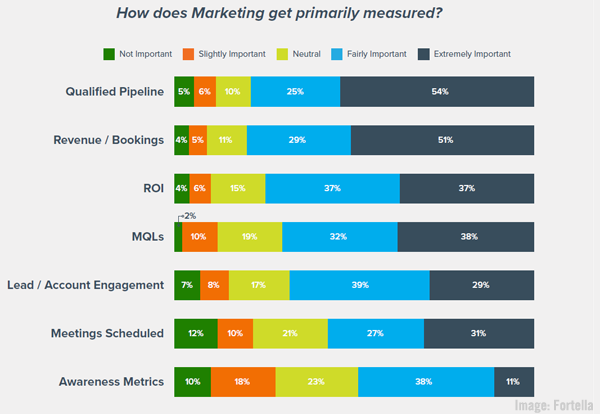
    2021 January 8 Fortella Chart

    2021 January 8 Fortella Chart


    LinkedIn Shares New Usage Insights for Your 2021 Planning [Infographic]
    Microsoft-owned LinkedIn (client) has released updated usage statistics showing that the professional social network’s LinkedIn Live video streams have increased by 89 percent since March, along with strong levels of member engagement — two of numerous statistics of interest to digital marketers. Social Media Today


    Google Question Hub Is Open & It’s A Great Way To Find Content Ideas
    Google has rolled out a new service showing unanswered search question data, offering U.S users access to its Question Hub for the first time — a feature previously only available in three non-U.S. nations. Search Engine Roundtable


    Why B2B marketers need to bet big on ‘The Big Long’
    Brand investment is key for providing business value according to data from the 2030 Marketing Trends report from Linkedin’s The B2B Institute, and Marketing Week explores five of the key benefits that come from building a B2B brand. Marketing Week


    The Top 20 Content Marketing Hashtags, Topics, and Searches
    71 percent of content marketers use a digital marketing hashtag alongside their content marketing tag, while strategy, SEO, and social media are the top three topics discussed with content marketing, according to newly-released study data from SEMrush examining more than 600,000 tweets and Google searches, the firm announced. MarketingProfs


    Most Covered Terms Of 2020: ‘COVID-19,’ ‘Digital,’ ‘Personalization,’ ‘Meaningful’
    COVID-19, “meaningful” and “personalization” led the way when it came to the most covered search terms during 2020 at MediaPost, in its annual look at the most-referenced terms of the year. MediaPost


    Bing Webmaster Tools adds crawl requests, crawl errors & indexed pages to performance report
    Microsoft’s Bing has added new functionality to its Bing Webmaster Tools utilities, with additional metrics that can aid marketers in spotting potential trouble-spots, the firm recently announced. Search Engine Land


    2021 January 8 Statistics Image


    Emerging New Brand Role: Enabler Of Personal Innovation
    Brands increasingly see success when they create conditions that foster personal innovation, according to recently-released annual trend report data showing a variety of new forms of interaction and brand-shaping. MediaPost


    Amazon acquires podcast network Wondery
    Amazon has acquired the podcasting network Wondery, the firm recently announced, noting that the newly-acquired podcast network will be added to Amazon Music, offering new opportunities for digital marketers seeking to promote podcast content. TechCrunch


    Apple Granted Patent Supporting Further Development Of Search Technology
    Apple has received a patent that will allow it to delve further into search engine functionality, with domain-based influencer scoring among the firm’s search technologies that were granted a patent, Apple recently announced. MediaPost


    Fortella Releases “State of B2B Marketing: 2021” Report, Examines the Traits of Top-Performing Marketing Departments
    64 percent of B2B marketers find budgeting resources to be a top challenge, followed by tracking, quality data, and finding the right talent, according to recently-released survey data exploring top challenge strategies and tactics employed by marketing executives at leading B2B companies. MarTech Series


    ON THE LIGHTER SIDE:


    2021 January 8 Marketoonist Comic

    A lighthearted look at “we’re going agile” by Marketoonist Tom Fishburne — Marketoonist

    Adweek’s Most Popular Online Stories of 2020 — Adweek


    TOPRANK MARKETING & CLIENTS IN THE NEWS:

    • SAP — Global CMO of SAP Discusses Intersectionality in The Business of Marketing — Adweek

    Have you found your own top B2B marketing story from the past week of industry news? Please let us know in the comments below.

    Thanks for joining us for another edition of our B2B marketing news, and we hope that you will return again next Friday for more of the most relevant B2B and digital marketing industry news. In the meantime, you can follow us at @toprank on Twitter for even more timely daily news.

    The post B2B Marketing News: LinkedIn’s 2021 Planning Report, Traits of Top B2B Performers Study, Google’s Question Hub, & Apple’s Search Aspirations appeared first on B2B Marketing Blog – TopRank®.

    [ad_2]


    Source link

    Author
    Published Date

    Contact Us