Author: TIQ Team

  • Fastvertising Success Stories: Brands that Nailed It!

    Fastvertising Success Stories: Brands that Nailed It!

    Staying ahead of the curve is essential in the dynamic world of marketing. The trending phrase “ fastvertising” which is a combination of two words “ fast” and “advertising” inculcates the spirit of swift and successful marketing campaigns. In this blog, we aim to highlight few of the world’s biggest brands that have adopted fastvertising and have left an everlasting impression on its target audiences world wide.

    The Power of Fastvertising

    This modern marketing technique is all about planning and delivering the right messages to the target audiences at the right time. Marketing departments in big brands have honed their skills over time to adapt quickly and capture the most out of the momentum created by events happening around the world. It can be an inclusion of new technology, a wave of emotions or changes in the economic environment. Below we are mentioning some of the worlds most recognisable brands and their success stories related to fastvertising.

    1. Oreo: Real time Marketing Genius Campaigns

    Back in 2013, when the stadium lights went out during the biggest sporting event in the world, the super bowl, marketing leaders in Oreo seized this moment by quickly tweeting out with an Image of an Oreo with the caption “ You can still dunk in the dark”. It was indeed a clever way to go viral, creating a massive buzz for the brand.

    Key Takeaway: Stay vigilant during the global events, and be prepared to respond swiftly with unexpected opportunities.

    1. Taco Bell: Harnessing the Power of Snapchat Innovations

    Snapchat, a video sharing platform, was first used by brands to share entertaining content with its user base. Taco Bell was one of the first fast food brand to launch a new product, the Doritos Locos Taco on the social media platform, sharing exclusive content and behind-the-scenes access, creating a strong bond with the customers.

    Key Takeaway: It is essential to explore new platforms, analyse shifts in consumer behaviour and provide unique, engaging content.

    1. Red Bull: Taking Content Creation to Extreme Levels

    Red bull, an energy drink brand synonymous with extreme sports and adventure not only sponsors famed events, but also create astonishing content to promote their brand. Counting down from Felix Baumgartner’s famous space jump to numerous sporting events, red bull’s strategy worked wonders which immerses itself in the world that is the most frequent buyers of their products.

    Key Takeaways: Showcase your expertise in your field to become the most preferred brand.

    1. Dove: Products that connect with you emotionally

    One of the world’s leading brand in FMCG, Dove’s “Real Beauty” campaign aimed at challenging stereotypes and promoting a healthy body image for women of all ages. This brilliant campaign struck a chord with most women, spreading and promoting a positive, empowering message.
    Key Takeaway: In the world of data-driven marketing, do not forget to build that emotional connection with your audience that they crave for in a trusted brand.

    1. Nike: Empowerment through Storytelling

    One of the biggest brand in sportswear, Nike has focused on “Just Do It” slogan which now resonates with almost all of its target audience. Their digital advertisements often feature powerful, stories of underprivileged athletes overcoming dreaded challenges. By inspiring their communities, they focus on building empowerment and a sense of belonging in the community.
    Key Takeaway: Storytelling is one of the most powerful tool to spread and promote your marketing message.

    .

    Learning from the Fastvertising Pioneers

    As marketing evolves above and beyond the 4P’s, let’s draw some key lessons that can help you in applying Fastvertising to your next marketing campaigns.

    1. Be Agile

    The first and most crucial lesson is to be agile. Keep your marketing team ready to act swiftly when opportunities arise. Monitor events and trends closely, and be prepared to jump in when the moment is right.

    2. Embrace New Platforms

    Don’t limit your brand to traditional platforms. Explore new and emerging ones, and understand how they can work to your advantage. Whether it’s social media, video-sharing platforms, or innovative apps, adapt and conquer.

    3. Become an Expert

    Know your field inside and out. If you’re promoting sports, be a part of the sports community. This expertise will give your brand authenticity and authority, making it easier to connect with your audience.

    4. Forge Emotional Connections

    Connect with your audience on an emotional level. Address their concerns and aspirations. Tell stories that resonate with them. A brand that touches hearts is more likely to win loyal customers.

    5. Tell a Compelling Story

    Your brand should have a story to tell. Whether it’s a tale of overcoming adversity, empowering others, or simply inspiring positive change, a compelling narrative can make your brand more relatable and memorable.

    Fastvertising isn’t just a buzzword; it’s a dynamic marketing approach that’s proven to be highly effective. By studying the successes of brands like Oreo, Taco Bell, Red Bull, Dove, and Nike, we’ve learned that agility, platform diversity, expertise, emotional connection, and storytelling are the keys to nailing Fastvertising.

    So, as you gear up for your next marketing campaign, remember the lessons from these Fastvertising pioneers. Be quick, be innovative, and be authentic. In a fast-paced digital world, these qualities will set your brand apart and lead you to success. Fastvertising is not just about speed; it’s about strategy, and these brands have shown us the way.
    TIQ Digital is a performance marketing agency helping brands to take full advantage of Fastvertising. Reach out to us for your next viral marketing campaign.

    FAQs – Fastvertising

    1. What is Fastvertising?

    Fastvertising is a marketing approach that emphasizes delivering quick, effective messages to the right audience at the right time.

    2. How did Oreo excel in Fastvertising?

    Oreo’s real-time marketing during the 2013 Super Bowl power outage showcased their agility in responding swiftly to unexpected opportunities.

    3. Why is emotional connection important in marketing, as shown by Dove?

    Dove’s “Real Beauty” campaign demonstrated that an emotional connection with the audience can promote a positive and empowering message.

    4. What can brands learn from Taco Bell’s use of Snapchat?

    Taco Bell’s use of Snapchat illustrated the significance of exploring emerging platforms and providing unique, engaging content.

    5. How does storytelling play a role in Fastvertising, as seen with Nike?

    Nike’s use of powerful stories in their advertising creates a sense of community and empowerment, making storytelling a key tool in Fastvertising.

    TIQ Digital: Your Fastvertising Ally

    At TIQ Digital, we understand that staying ahead in the ever-evolving marketing landscape requires agility, creativity, and real-time responsiveness. We are your partners in the pursuit of Fastvertising excellence, and we have the tools, expertise, and passion to help your brand thrive in the digital age.

    Why Choose TIQ Digital for Fastvertising?

    • Expertise: With years of experience in the industry, we’ve honed our Fastvertising skills to perfection.

    • Cutting-Edge Tools: We leverage the latest technologies and tools to ensure your brand remains agile and responsive.

    • Strategic Insight: Our team is armed with strategic insight, enabling us to craft personalized, real-time campaigns that engage and convert.

    We encourage you to take the leap into the world of Fastvertising with TIQ Digital as your trusted guide. Explore the endless possibilities, seize the real-time opportunities, and lead the race for consumer attention.

    For a personalized consultation on how Fastvertising can revolutionize your brand’s marketing strategy, don’t hesitate to contact Mr. Amit Sharma at amit@technocratiq.com. Our team are ready to help you chart a course toward marketing excellence.

    Chat with Us now!!

    Call Us Now..

    Spread the Word!

    Lastly, if you found this blog post insightful, please share it with your network. Click on the social media sharing buttons below and let others in your industry benefit from the wisdom of Fastvertising.

  • Fastvertising 101: Turbocharge Your Marketing in Minutes

    Fastvertising 101: Turbocharge Your Marketing in Minutes

    Explore the world of Fastvertising and discover how to achieve impactful results in the blink of an eye. Learn the secrets of quick and effective marketing strategies.

    The Need for Speed in Marketing

    In the dizzying whirlwind of today’s digital age, where attention spans are shorter than ever and trends change with the swipe of a thumb, one word has become the mantra of successful marketers: speed. It’s not just about keeping up; it’s about racing ahead. In this relentless race, the concept of Fastvertising emerges as the turbo boost that propels your marketing efforts from the starting line to the finish in mere minutes.

    Picture this: Your potential customers are scrolling through their social media feeds, bombarded by a torrential downpour of content. In the time it takes to blink, they’ve formed an impression, made a judgment, and scrolled on. The question is, did your message catch their eye? Did it linger in their mind? In a world where seconds count, Fastvertising is the art of making every moment matter.

    Fastvertising: Where Speed Meets Substance

    Fastvertising isn’t just about being fast for the sake of it. It’s about being agile, responsive, and hyper-relevant in an era where information travels at the speed of light. It’s the fusion of marketing expertise and real-time action, a dynamic dance where strategy meets execution in the blink of an eye. It’s the difference between being a participant in the conversation and being the one who starts it.

    The goal of this blog post is simple yet profound: to equip you with actionable strategies for not just keeping pace but leading the race in today’s fast-paced marketing landscape. It’s about grabbing attention, retaining it, and leaving an indelible mark on your audience—all in a matter of minutes.

    Why Speed Matters: The Attention Economy

    We live in an attention economy, where attention is the scarcest and most valuable commodity. Your audience is inundated with choices, flooded with information, and bombarded by advertisements. If you hesitate for even a moment, if your message isn’t lightning-fast and laser-focused, you risk being lost in the digital noise.

    In the pages that follow, we’ll unravel the principles, tools, and strategies that make Fastvertising not just a buzzword but a game-changer. We’ll explore how to harness real-time data, craft personalized messages, and leverage cutting-edge technologies to reach your audience swiftly and effectively.

    Fasten your seatbelt, for in the world of Fastvertising, there’s no time to waste. It’s a world where opportunities are fleeting, and success goes to the swift. Join us on this exhilarating journey through the heart of Fastvertising, where speed is the currency and relevance is the key. Together, we’ll navigate the ever-accelerating marketing landscape and emerge as pioneers of the marketing revolution.

    Understanding Fastvertising

    In the digital age, where change is the only constant and attention spans resemble fleeting shooting stars, understanding Fastvertising is not just essential—it’s imperative for marketers aiming to stay ahead in the race for consumer engagement.

    Defining Fastvertising: The Need for Speed
    Fastvertising, at its core, is a strategic approach to advertising and marketing that places an immense emphasis on speed, responsiveness, and relevance. It’s about swiftly identifying opportunities, crafting compelling messages, and deploying them in real-time or near-real-time to connect with your audience at the precise moment when they are most receptive.

    This concept has evolved as a direct response to the dynamics of the digital era. The term “Fastvertising” encapsulates the essence of marketing in a world where trends, news, and consumer sentiment can change in seconds. It’s not just about quick execution; it’s about quick thinking, adapting, and capitalizing on the moment.

    Traditional Advertising in a Fast-Paced World: The Pitfalls
    To truly appreciate Fastvertising, it’s essential to contrast it with traditional advertising methods. While traditional advertising has its merits and is still relevant in certain contexts, it inherently falls short in a fast-paced world for several reasons:

    1. Lack of Real-Time Adaptation: Traditional advertising often involves lengthy planning, production, and distribution cycles. By the time a traditional campaign goes live, the landscape may have already shifted, rendering the message less relevant or even obsolete.

    1. Inability to Address Micro-Moments: In today’s digital world, consumers experience micro-moments—brief instances when they turn to their devices for quick answers, solutions, or entertainment. Fastvertising capitalizes on these micro-moments by delivering timely and relevant content.

    1. Missed Engagement Opportunities: Traditional advertising often follows a one-way communication model. In contrast, Fastvertising thrives on engagement, interaction, and real-time feedback, allowing brands to build meaningful connections with their audience.

    The Essence of Agility and Responsiveness in Marketing

    At the heart of Fastvertising lies the twin pillars of agility and responsiveness. Agility means being nimble, adaptable, and open to change. In the context of marketing, it involves the ability to pivot quickly in response to shifts in consumer behavior, emerging trends, or unforeseen events.

    Responsiveness, on the other hand, is about promptly acknowledging and addressing the needs, preferences, and concerns of your audience. It’s the ability to listen, analyze data, and craft messages that resonate with your audience at the right time.

    In the pages ahead, we will delve deeper into how to cultivate these essential qualities within your marketing strategy. We’ll explore the tools and techniques that empower Fastvertising efforts, enabling you to not only keep pace with the speed of change but also lead the way in the dynamic world of digital marketing.

    The Key Principles of Fastvertising

    In the realm of Fastvertising, there are foundational principles that underlie its effectiveness. These principles are the bedrock upon which quick and impactful marketing campaigns are built. Let’s delve into these core principles that enable Fastvertising to not only keep up with the pace of the digital age but also set the pace.

    1. Real-Time Data Analysis: The Pulse of Fastvertising

    Fastvertising thrives on data, and more importantly, on real-time data analysis. In a world where trends and consumer behaviors can change by the hour, the ability to monitor, interpret, and act upon data instantaneously is paramount.

    • Instant Insights: Real-time data analysis provides immediate insights into how your audience is responding to your campaigns. It helps you understand what’s working, what’s not, and where adjustments are needed.

    • Agile Decision-Making: Armed with real-time data, Fastvertising allows marketers to make agile decisions. If a campaign isn’t resonating with the audience, you can pivot swiftly and adjust your strategy, messaging, or targeting.

    • Capitalizing on Trends: With the ability to spot emerging trends in real time, you can capitalize on opportunities before they peak and stay ahead of competitors.

    2. Customer Insights: The North Star of Fastvertising

    Fastvertising doesn’t just involve pushing out content quickly; it’s about delivering content that matters to your audience. Understanding your customers on a deep level is non-negotiable.

    • Personalization: Personalization is at the heart of Fastvertising. It’s about tailoring your content to individual preferences and behaviors. Real-time customer insights enable you to deliver content that speaks directly to each person’s interests.

    • Relevance: Relevance goes hand in hand with personalization. When your messaging is relevant to the moment, the location, and the specific needs of your audience, it captures their attention and encourages engagement.

    • Building Relationships: Fastvertising isn’t a one-off interaction; it’s about building relationships. By using customer insights in real time, you can foster ongoing engagement, loyalty, and advocacy.

    3. Speed with Quality: Striking the Right Balance

    While speed is a defining characteristic of Fastvertising, it should never come at the expense of quality. In fact, maintaining a high standard of quality is one of the key principles.

    • Content Excellence: Even in the fastest of campaigns, your content should be well-crafted, error-free, and visually appealing. Quality content is more likely to engage and convert.

    • Consistency: Consistency in branding, tone, and messaging across all channels is vital. It helps build a strong and recognizable brand identity.

    • Ethical Considerations: Fastvertising should always adhere to ethical marketing practices. Respecting customer privacy and maintaining transparency are principles that cannot be compromised.

    In the world of Fastvertising, it’s not just about being fast; it’s about being fast with purpose and precision.

    The ability to harness real-time data, deliver personalized and relevant content, and maintain high-quality standards are the principles that allow Fastvertising to be a powerful force in modern marketing. In the next section, we’ll explore the tools and technologies that enable marketers to put these principles into action effectively.

    Tools and Technologies for Fastvertising

    Technology

    Role in Fastvertising

    Examples of Successful Campaigns

    1. Marketing Automation

    – Streamlines repetitive tasks like email marketing, social media scheduling, and lead nurturing. – Enables personalized messaging at scale.

    HubSpot’s automated email workflows for real-time lead nurturing.

    – Mailchimp’s automated social media posting for timely engagement.

    2. Artificial Intelligence (AI)

    – Analyzes vast data sets in real time for insights and predictions. – Powers chatbots for instant customer interaction.

    Netflix’s recommendation engine offers personalized content suggestions.

    ChatGPT-powered chatbots provide instant answers on websites.

    3. Data Analytics Tools

    – Provides real-time data analysis for decision-making. – Identifies trends, customer behavior, and campaign performance.

    Google Analytics offers instant insights into website traffic and user behavior.

    – Social media analytics tools help optimize content strategy on the fly.

    4. Programmatic Advertising

    – Automates ad buying in real time, optimizing ad placement for maximum impact.

    Nike’s programmatic ad campaigns dynamically target audiences based on real-time data like weather and sports events.

    – Coca-Cola’s programmatic campaign served personalized ads to millions of individuals.

    5. Content Management Systems (CMS)

    – Streamlines content creation, publication, and distribution. – Facilitates real-time updates and personalized content delivery.

    WordPress offers real-time content updates and personalization through plugins.

    Drupal’s CMS enables agile content management for fast marketing changes.

    Role of Automation, AI, and Data-Driven Decision-Making:

    • Automation: Automation tools expedite marketing processes, allowing brands to respond rapidly to changing situations. For instance, automated email workflows can deliver timely messages during flash sales, and automated social media posting ensures content is shared when the audience is most active.

    • AI: AI-driven analytics provide real-time insights into customer behavior and preferences. This data guides marketing decisions, such as when to send personalized messages or adjust ad targeting. AI-powered chatbots engage customers instantly, providing information and assistance around the clock.

    • Data-Driven Decision-Making: Data analytics tools enable marketers to make informed decisions on the fly. Real-time data analysis identifies trends, helping brands fine-tune their strategies. For example, social media analytics tools offer immediate feedback on the performance of posts, enabling rapid adjustments.

    Examples of Successful Fastvertising Campaigns Driven by Technology:

    1. Netflix’s Recommendation Engine: Netflix uses AI to analyze user viewing habits in real time. This data drives personalized content recommendations, ensuring that viewers discover new shows and stay engaged.

    1. ChatGPT-Powered Chatbots: Websites that employ ChatGPT-powered chatbots provide instant answers to user queries, enhancing user experience and retaining visitors by addressing their needs promptly.

    1. Nike’s Programmatic Advertising: Nike’s programmatic ad campaigns dynamically target audiences based on real-time data, such as local weather and sports events. This strategy maximizes ad relevance and engagement.

    1. WordPress and Agile Content Management: Websites powered by WordPress can make real-time content updates and deliver personalized content through plugins. This enables brands to respond swiftly to changing trends and events.

    1. Google Analytics: Google Analytics offers real-time insights into website traffic and user behavior. Marketers can use this data to adjust content strategies, targeting, and ad placements in the blink of an eye.

    These tools and technologies form the backbone of Fastvertising, enabling marketers to stay agile, responsive, and relevant in the fast-paced digital landscape. By harnessing their power, brands can not only keep pace with change but lead the race in the world of modern marketing.

    Crafting a Fastvertising Strategy

    In the world of Fastvertising, time is of the essence. Crafting a strategy that allows for quick and effective marketing requires a well-defined process. Here’s a step-by-step guide to creating a Fastvertising strategy, complete with real-world tools and their website links:

    1. Real-Time Audience Segmentation and Targeting

    • Step 1: Identify Your Audience in Real-Time

      • Use real-time analytics to identify the current audience on your website or social media platforms.

    • Step 2: Segment Your Audience Dynamically

      • Create dynamic audience segments based on real-time behavior, such as pages visited, content consumed, or actions taken.

    • Step 3: Tailor Content for Real-Time Segments

      • Use email marketing tools to send personalized messages to specific audience segments based on real-time behavior.

    2. Rapid Content Creation

    • Step 4: Create a Content Calendar

      • Develop a content calendar that outlines topics, formats, and deadlines for rapid content creation.

    • Step 5: Utilize AI-Powered Content Generators

      • Employ AI-driven content generators to draft initial content quickly.

    • Step 6: Human Editing and Optimization

      • Have a human editor review and optimize content generated by AI for quality, tone, and relevance.

    3. Real-Time Content Deployment

    • Step 7: Automate Social Media Posting

      • Automate social media posts to go out at optimal times for engagement.

    • Step 8: Utilize Push Notifications

      • Implement push notifications on your website to instantly alert users about new content or offers.

    • Step 9: Monitor and Adjust in Real-Time

      • Continuously monitor the performance of your content and campaigns. Make real-time adjustments based on data.

    4. Instantaneous Feedback and Engagement

    • Step 10: Enable Live Chat

      • Incorporate live chat on your website for instant customer interaction.

    • Step 11: Gather and Analyze Feedback

      • Collect real-time feedback from customers through surveys and analyze it to refine your strategies.

    • Step 12: Respond and Adapt Quickly

      • Use customer support software to respond to inquiries rapidly and make real-time improvements based on feedback.

    5. Test and Optimize Continuously

    • Step 13: A/B Testing in Real Time

      • Conduct A/B tests on website elements, headlines, or ad variations in real-time to determine the most effective options.

    • Step 14: Data-Driven Decision-Making

      • Utilize data visualization tools to gain insights and make data-driven decisions instantly.

    • Step 15: Scale Successes and Adjust Failures

      • Allocate budget and resources to campaigns that show real-time success, and pivot or pause those that underperform.

    By following this step-by-step guide, you can create a Fastvertising strategy that thrives on agility, personalization, and real-time responsiveness. These tools and practices enable marketers to seize opportunities swiftly and stay ahead in the fast-paced world of modern marketing.

    Case Studies: Real-World Fastvertising Success

    Let’s explore real-world examples of brands that have not only embraced Fastvertising but have excelled in it. We’ll analyze their strategies, pinpoint what made them effective, and extract key takeaways that you can apply to your own marketing efforts.

    1. Oreo’s “Dunk in the Dark” Super Bowl Moment

    The Strategy: During the 2013 Super Bowl, the lights suddenly went out in the stadium. In a matter of minutes, Oreo’s marketing team sprang into action, creating a tweet that read, “Power out? No problem. You can still dunk in the dark.”

    What Made It Effective:

    • Speed: Oreo responded almost immediately, capitalizing on a real-time event.

    • Simplicity: The message was concise and relevant to the moment.

    • Creativity: It showcased Oreo’s brand personality and sense of humor.

    Key Takeaway: Fastvertising isn’t just about planning; it’s about seizing unplanned moments and being creative in real-time.

    2. Red Bull’s Stratos Space Jump

    The Strategy: In 2012, Red Bull sponsored Felix Baumgartner’s record-breaking freefall from the stratosphere. They live-streamed the jump on YouTube, engaging millions of viewers worldwide.

    What Made It Effective:

    • Real-Time Engagement: Red Bull harnessed the power of live streaming to connect with audiences in real-time.

    • High-Stakes Drama: The event was high-stakes, creating an adrenaline rush that kept viewers engaged.

    • Sharing Power: Viewers shared the event across social media, creating viral buzz.

    Key Takeaway: Live events and real-time content can create unparalleled engagement and buzz.

    3. Wendy’s Twitter Roasts

    The Strategy: Wendy’s Twitter account became famous for its witty and sometimes snarky responses to customer tweets and even competitors. They used humor and quick replies to engage and entertain.

    What Made It Effective:

    • Responsiveness: Wendy’s was consistently quick to respond, creating a sense of real-time interaction.

    • Personality: The brand’s unique voice and sense of humor set it apart.

    • Shareability: Customers and followers eagerly shared Wendy’s tweets, expanding their reach.

    Key Takeaway: Personality-driven Fastvertising can build a strong brand identity and foster engagement.

    4. Tide’s Super Bowl Stain

    The Strategy: During the 2018 Super Bowl, Tide ran a series of ads that appeared to be other types of commercials, only to reveal they were all Tide ads, reinforcing the idea that “Every Ad is a Tide Ad.”

    What Made It Effective:

    • Surprise Element: Tide’s approach was unexpected and kept viewers engaged.

    • Integration: They leveraged a major event to create real-time relevance.

    • Repetition: The campaign reinforced its message throughout the game, leaving a lasting impression.

    Key Takeaway: Leveraging major events and creating memorable moments can make your brand synonymous with a particular concept or idea.

    5. Domino’s “Pizza Turnaround” Campaign

    The Strategy: In 2010, Domino’s ran an advertising campaign admitting their pizza was not up to par. They promised to make it better and invited customers to try the new recipe.

    What Made It Effective:

    • Transparency: Domino’s openly acknowledged its shortcomings.

    • Real-Time Response: The campaign was quick to follow the promise with action.

    • Customer Involvement: Inviting customers to taste the change created engagement and buy-in.

    Key Takeaway: Authenticity, transparency, and swift action can rebuild trust and loyalty.

    Conclusion: Key Takeaways for Your Fastvertising Strategy

    1. Embrace Real-Time Events: Be ready to respond to real-time events or opportunities that align with your brand.

    1. Leverage Live Content: Use live streaming and real-time content to engage and connect with your audience.

    1. Develop a Unique Voice: A distinctive brand personality and voice can set you apart in real-time interactions.

    1. Create Memorable Moments: Use major events or unexpected approaches to create memorable marketing moments.

    1. Be Transparent and Authentic: Honesty and transparency can build trust and loyalty in real-time.

    These case studies illustrate the power of Fastvertising when executed effectively. By applying these key takeaways, you can infuse agility, creativity, and responsiveness into your marketing strategy, ensuring that you not only keep up with the pace but also lead the race in the fast-paced world of modern marketing.

    Conclusion: Fastvertising – Your Competitive Edge

    In the relentless race for consumer attention in the digital age, Fastvertising emerges as your secret weapon, your competitive edge. Throughout this blog post, we’ve unraveled the core principles, tools, and real-world case studies that showcase the transformative power of Fastvertising. But there’s more to discover, especially when you partner with TIQ Digital.

    TIQ Digital: Your Fastvertising Ally

    At TIQ Digital, we understand that staying ahead in the ever-evolving marketing landscape requires agility, creativity, and real-time responsiveness. We are your partners in the pursuit of Fastvertising excellence, and we have the tools, expertise, and passion to help your brand thrive in the digital age.

    Why Choose TIQ Digital for Fastvertising?

    • Expertise: With years of experience in the industry, we’ve honed our Fastvertising skills to perfection.

    • Cutting-Edge Tools: We leverage the latest technologies and tools to ensure your brand remains agile and responsive.

    • Strategic Insight: Our team is armed with strategic insight, enabling us to craft personalized, real-time campaigns that engage and convert.

    We encourage you to take the leap into the world of Fastvertising with TIQ Digital as your trusted guide. Explore the endless possibilities, seize the real-time opportunities, and lead the race for consumer attention.

    For a personalized consultation on how Fastvertising can revolutionize your brand’s marketing strategy, don’t hesitate to contact Mr. Amit Sharma at amit@technocratiq.com. Our team are ready to help you chart a course toward marketing excellence.

    Chat with Us now!!

    Call Us Now..

    Spread the Word!

    Lastly, if you found this blog post insightful, please share it with your network. Click on the social media sharing buttons below and let others in your industry benefit from the wisdom of Fastvertising.

    Thank you for joining us on this journey through the dynamic world of Fastvertising.

    Together, we’ll navigate the ever-accelerating marketing landscape and emerge as pioneers of the marketing revolution!!

  • What Is Micromarketing?

    What Is Micromarketing?

    In today’s fast-paced and digitally driven world, traditional marketing strategies are undergoing a transformation. One of the key trends shaping this evolution is micromarketing. This targeted approach is gaining momentum as businesses strive to create more personalized connections with their audiences. In this blog post, we’ll delve into the essence of micromarketing, explore its various types, and provide insightful examples to illustrate its effectiveness.


    Understanding Micromarketing: A Brief Overview

    Micromarketing, often referred to as niche marketing, is a strategic marketing approach where businesses tailor their campaigns to address the specific needs, preferences, and behaviors of a narrowly defined audience. Unlike mass marketing, which aims to reach a broad spectrum of consumers, it focuses on engaging a select group with content that resonates deeply.

    Types of Micromarketing:

    1. Geographic Micromarketing:

    This type revolves around location-based targeting. Businesses use geographic data to customize their marketing efforts according to the unique attributes of a particular region, city, or even a neighborhood.

    Example: A small local bakery could use geographic micromarketing by promoting exclusive offers to residents within a specific radius of their store. Read more on Design Rush.

    2. Demographic Micromarketing:

    Here, marketing strategies are designed based on demographic factors like age, gender, income, education, and family structure.

    Example: A skincare brand might tailor its messaging differently for teenagers, young adults, and middle-aged individuals, considering their unique skincare needs. Read more on Design Rush.

    3. Psychographic Micromarketing:

    This approach targets audiences based on their psychological traits, such as values, interests, lifestyles, and personalities.

    Example: An outdoor adventure company would craft distinct campaigns for thrill-seekers, nature enthusiasts, and relaxation seekers, highlighting the aspects of their services that resonate with each group.Read more on Design Rush.

    4. Behavioral Micromarketing:

    Behavioral micromarketing tailors campaigns according to consumers’ purchasing behaviors, brand interactions, and online activity.

    Example: An e-commerce platform might send personalized product recommendations to shoppers based on their browsing history and past purchases. Read more on Design Rush.

    5. Benefit Micromarketing:

    This type focuses on promoting the unique benefits of a product or service to a specific audience segment.

    Example: An eco-friendly household cleaning product would target environmentally conscious consumers, highlighting its green credentials. Read more on Design Rush.

    Micromarketing in Action: Examples

    1. Coca-Cola’s “Share a Coke” Campaign:
    Coca-Cola’s personalized bottles featuring popular names is a classic example. By personalizing their products with individual names, Coca-Cola successfully engaged customers on a personal level, boosting sales and brand loyalty.

    2. Netflix’s Tailored Recommendations:
    Netflix uses behavioral micromarketing to suggest movies and TV shows based on users’ viewing history. This approach keeps viewers engaged by providing content that aligns with their preferences.

    3. Amazon’s Product Recommendations:
    Amazon’s “Customers who bought this also bought…” feature utilizes behavioral and demographic micromarketing. It encourages customers to make additional purchases based on the buying patterns of others with similar profiles.

    4. Airbnb’s Neighborhood Guides:
    Airbnb’s neighborhood guides showcase psychographic micromarketing. By highlighting the local experiences that match travelers’ interests, the platform makes it easier for users to find accommodations that resonate with their preferences.

    It is a powerful strategy that fosters deeper connections between businesses and their target audience. Read more on Design Rush.

    By tailoring content and campaigns to specific demographic, psychographic, behavioral, and geographic segments, companies can create more meaningful interactions, enhance customer engagement, and drive better results. As the marketing landscape continues to evolve, embracing micromarketing could be the key to standing out in a crowd and building lasting customer relationships.

    Connect with us for more info.

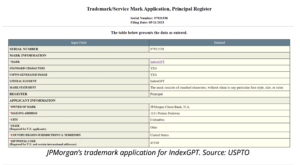
  • JP Morgan Files Patent for IndexGPT: The Next Generation of ChatGPT in Finance

    JP Morgan Files Patent for IndexGPT: The Next Generation of ChatGPT in Finance

    In recent years, artificial intelligence has rapidly advanced, transforming various industries.

    One significant area where AI has made a profound impact is finance, revolutionizing processes, and decision-making.


    JP Morgan, a global financial leader, has always been at the forefront of technological innovation. In a groundbreaking move, the company has filed a patent for IndexGPT, a finance clone of the popular language model, ChatGPT.


    In this blog post, we’ll explore the possible implications of this patent and the potential impact of IndexGPT on the financial industry.


    The Rise of AI in Finance

    The use of AI in finance has gained traction due to its ability to analyze vast amounts of data, identify patterns, and make informed predictions.

    Financial institutions have embraced AI-powered solutions for tasks like risk assessment, fraud detection, trading algorithms, and customer service. However, as financial technology continues to evolve, so do the demands of the industry.


    Introducing IndexGPT: The Next Step in Financial AI


    JP Morgan’s patent filing for IndexGPT signals a significant milestone in the development of AI technology specifically tailored to the finance sector. IndexGPT is an extension of the ChatGPT language model, designed to enhance customer interactions, improve financial advisory services, and provide more accurate predictions for investment strategies.


    Enhanced Customer Interactions

    One of the primary objectives of IndexGPT is to provide customers with an improved conversational experience. By leveraging natural language processing and machine learning techniques, IndexGPT aims to understand customer queries and provide timely, accurate responses. This technology could significantly streamline customer support, allowing users to obtain financial advice, get answers to their queries, and receive personalized recommendations effortlessly.


    Improved Financial Advisory Services

    Financial advisors play a crucial role in guiding customers through complex investment decisions. IndexGPT has the potential to augment their capabilities by providing real-time insights, analyzing market trends, and assessing risk profiles. By combining the expertise of human advisors with the data-driven analysis of IndexGPT, financial institutions can offer more personalized and accurate recommendations tailored to individual clients’ goals and risk tolerance.


    Advanced Investment Strategies

    Investment strategies heavily rely on data analysis and predictions. IndexGPT’s ability to process large volumes of financial information in real-time can provide traders, fund managers, and portfolio managers with valuable insights. By analyzing historical market data, news sentiment, and other relevant factors, IndexGPT can assist in developing robust investment strategies, identifying potential risks, and optimizing portfolio performance.


    Addressing Concerns: Trust and Ethical Considerations


    As with any AI development, there are legitimate concerns regarding the ethical implications and potential biases associated with IndexGPT. JP Morgan recognizes these concerns and has expressed its commitment to transparent and responsible AI usage. The company is actively working on incorporating robust oversight mechanisms, monitoring for bias, and ensuring the model’s compliance with regulatory frameworks. Ethical considerations and the protection of customer data remain at the forefront of JP Morgan’s development process.

    JP Morgan index gpt

    Conclusion

    The patent filing for IndexGPT by JP Morgan represents an exciting leap forward in the application of AI in the finance industry. By combining the power of ChatGPT with finance-specific knowledge and capabilities, IndexGPT has the potential to transform customer interactions, financial advisory services, and investment strategies. However, it is crucial to proceed with caution, addressing ethical concerns, and ensuring transparency and regulatory compliance. As AI continues to evolve, it will be interesting to witness how IndexGPT shapes the future of finance, making it more accessible, efficient, and personalized for individuals and institutions alike.


    Overall, the future outlook for the BFSI industry with proper use of AI is promising, with the industry expected to continue to grow and evolve as it embraces digital technologies and adapts to changing market dynamics. It is crucial for the industry players to continue investing in digital transformation initiatives to stay relevant and meet the demands of the digital age.


    Contact us to take the next step and collaborate with TechnocratiqDigital, India’s #1 BFSI marketing agency, to harness the power of digital marketing for your BFSI business success.

     Contact us now to learn more!

  • Going Digital: How BFSI Industry in India is Embracing the Future

    Going Digital: How BFSI Industry in India is Embracing the Future

    Going Digital: How BFSI Industry in India is embracing the Future

    The BFSI industry in India refers to the banking, financial services, and insurance sector, which has been undergoing a significant transformation over the past few years. With the advent of digital technologies, the industry has been embracing digital transformation to enhance customer experience, improve operational efficiency, and stay ahead of the competition.

    Digital transformation refers to the integration of digital technologies into all areas of the business, fundamentally changing how businesses operate and deliver value to customers. The digital revolution has significantly impacted the BFSI industry, providing a vast range of opportunities to enhance their business processes, products, and services.

    Why it is important to embrace digital transformation in the
    BFSI industry in India?

    The BFSI (Banking, Financial Services, and Insurance) industry in India is rapidly evolving, with technological advancements driving significant changes in the way it operates. As customers become more tech-savvy, they expect financial institutions to provide them with convenient and seamless digital experiences. Embracing digital transformation in the BFSI industry has become critical for several reasons:

    1. Meeting Customer Expectations: In today’s digital age, customers expect instant access to their financial information and the ability to carry out transactions from anywhere at any time. Embracing digital transformation enables BFSI institutions to offer their customers a more convenient and seamless experience, allowing them to meet their evolving expectations.
    2. Increased Efficiency: Manual processes can be time-consuming, error-prone, and expensive. Embracing digital transformation can help BFSI institutions automate several processes, enabling them to operate more efficiently and cost-effectively.
    3. Improved Data Analytics: Digital transformation enables BFSI institutions to collect vast amounts of data, providing insights into customer behavior, market trends, and other factors. These insights can be leveraged to develop targeted marketing campaigns, personalize customer experiences, and improve risk management.
    4. Increased Security: Digital transformation can improve security by providing real-time monitoring and alerts, reducing the risk of fraud and other security breaches.
    5. Staying Competitive: The BFSI industry in India is highly competitive, and institutions that fail to embrace digital transformation risk falling behind. Adopting innovative technologies and processes can help BFSI institutions stay competitive and maintain their market position.

    Benefits of Digital Transformation in the BFSI Industry

    Digital transformation has several benefits for the BFSI industry, including:

    1. Improved Efficiency: By adopting digital technologies such as automation, machine learning, and artificial intelligence, banks and financial institutions can streamline their processes and reduce the time and cost required to complete tasks. This can lead to improved efficiency, faster turnaround times, and increased productivity.
    2. Enhanced Customer Experience: Digital transformation can help banks and financial institutions provide a more personalized and convenient customer experience. With digital tools such as mobile banking apps and online portals, customers can access their accounts and services from anywhere at any time, making their banking experience more convenient.
    3. Increased Accessibility: Digital transformation can also help increase the accessibility of financial services. With digital tools, banks and financial institutions can reach customers in remote and underserved areas, providing access to financial services that were previously unavailable to them.
    4. Improved Risk Management: Digital transformation can help banks and financial institutions better manage risks by implementing advanced analytics and monitoring tools. These tools can help identify potential risks and vulnerabilities, allowing for timely and effective risk management strategies.
    5. Cost Savings: Digital transformation can lead to significant cost savings for banks and financial institutions by reducing the need for manual processes, paperwork, and physical infrastructure. This can help lower operating costs and increase profitability.
    6. Data-Driven Decision Making: Digital transformation can provide banks and financial institutions with valuable data insights that can help them make informed decisions. By leveraging data analytics, banks and financial institution can better understand customer behavior, preferences, and needs, allowing them to offer more targeted and personalized services.

    Key Trends and Innovations in the BFSI Industry

    The BFSI industry is undergoing rapid transformation due to technological advancements and changing customer preferences. Here are some of the key trends and innovations in the industry:

    1. AI and Machine Learning: Artificial intelligence (AI) and machine learning are being used extensively in the BFSI industry to provide personalized services to customers, detect fraud and streamline operations. Chatbots and virtual assistants are being used to improve customer service and reduce response times.
    2. Blockchain: Blockchain technology is being explored by BFSI companies to increase security, reduce costs and streamline transactions. Blockchain enables secure and transparent transactions without the need for intermediaries, making it a potentially disruptive technology for the industry.
    3. Digital Payments: With the rise of digital payments, BFSI companies are focusing on providing seamless and secure payment solutions to customers. Mobile wallets, digital currencies and contactless payments are some of the innovations in this space.
    4. Open Banking: Open banking refers to the practice of sharing customer data among banks and other financial institutions to provide more personalized services. It allows customers to have greater control over their financial data and access to a wider range of financial services.
    5. Cloud Computing: Cloud computing is being adopted by BFSI companies to reduce costs, increase agility and improve data security. Cloud-based solutions enable BFSI companies to access data and applications from anywhere, anytime, and provide seamless services to customers.
    6. Insurtech: Insurtech refers to the use of technology to provide innovative insurance products and services. Insurtech companies are using AI, machine learning, and IoT to provide personalized insurance solutions, reduce costs and improve customer experience.

    Overall, the BFSI industry is rapidly evolving and embracing digital transformation to meet the changing needs of customers and stay competitive in the market.

    Future Outlook for the BFSI Industry in India

    The BFSI industry in India is poised for significant growth in the coming years. Some of the key factors that are likely to shape the future of the industry include:

    1. Increasing adoption of digital technologies: The BFSI industry in India has already witnessed significant adoption of digital technologies, but this is just the beginning. In the coming years, the industry is likely to see further adoption of technologies such as artificial intelligence, blockchain, and the internet of things. These technologies are likely to drive innovation and help companies offer better services to customers.
    2. Continued focus on financial inclusion: The government of India has been focusing on financial inclusion for several years now, and this is likely to continue in the future. The government has launched several initiatives to promote financial inclusion, including the Jan Dhan Yojana, the Pradhan Mantri Mudra Yojana, and the Atal Pension Yojana. These initiatives are likely to increase access to financial services and drive growth in the industry.
    3. Growth in the insurance sector: The insurance sector in India is likely to witness significant growth in the coming years. The sector is currently underpenetrated, with a penetration rate of just 3.7%. As awareness about insurance grows and disposable incomes increase, more people are likely to invest in insurance products. This is likely to drive growth in the industry.
    4. Focus on cybersecurity: As the BFSI industry becomes increasingly digitized, cybersecurity is likely to become a key focus area. Companies are likely to invest in cybersecurity solutions to protect themselves and their customers from cyber threats. This is likely to drive growth in the cybersecurity industry.
    5. Increased competition: The BFSI industry in India is highly competitive, and this is likely to continue in the future. Fintech companies are disrupting the traditional BFSI industry by offering innovative solutions to customers. This is likely to increase competition in the industry and drive innovation.

    Shift towards customer-centricity: The BFSI industry in India is likely to shift towards customer-centricity in the coming years. Companies are likely to focus on providing personalized services to customers and offering solutions that meet their individual needs. This is likely to drive innovation in the industry and help companies differentiate themselves from their competitors.

    Conclusion

    The BFSI industry in India is undergoing a significant transformation as it embraces digital technologies to cater to the evolving needs of customers. The industry is leveraging emerging technologies such as artificial intelligence, blockchain, and biometrics to enhance operational efficiencies, reduce costs, and offer personalized services to customers.

    Fintech disruption is also reshaping the industry landscape, with startups offering innovative solutions to customers, challenging traditional players to adapt to changing market dynamics. The government of India is also playing an active role in promoting financial inclusion, introducing several initiatives to increase access to financial services.

    Digital transformation is critical for the BFSI industry to stay competitive and meet the evolving needs of customers. The benefits of digital transformation are numerous, including enhanced customer experience, improved operational efficiencies, reduced costs, and increased revenue growth.

    Overall, the future outlook for the BFSI industry in India is promising, with the industry expected to continue to grow and evolve as it embraces digital technologies and adapts to changing market dynamics. It is crucial for the industry players to continue investing in digital transformation initiatives to stay relevant and meet the demands of the digital age.

    Contact us take the next step and collaborate with TechnocratiqDigital, India’s #1 BFSI marketing agency, to harness the power of digital marketing for your BFSI business success. Contact us now to learn more!

  • Top 10 digital growth desires of Healthcare Industry CEOs

    Top 10 digital growth desires of Healthcare Industry CEOs

    Discover the profound desires of healthcare CEOs as they delve into the realm of digital marketing to fuel their business growth. From engaging patients to enhancing online presence, optimizing search engine visibility, and leveraging data-driven insights, these visionary leaders strive for seamless communication, thought leadership, strategic partnerships, and measurable returns.


    Explore how healthcare CEOs are harnessing the power of digital strategies to revolutionize their organizations and seize new opportunities in the ever-evolving landscape of healthcare marketing.

    1. Desire for increased patient engagement: Healthcare CEOs desire to leverage digital marketing to enhance patient engagement and create meaningful interactions. They envision a digital strategy that fosters patient education, encourages active participation in their healthcare journey, and promotes positive patient experiences.

    2. Desire for a strong online presence: CEOs in the healthcare industry desire a robust online presence that establishes their brand as a trusted authority. They aspire to have an informative and user-friendly website, active social media profiles, and positive online reviews to attract and retain patients.

    3. Desire for targeted marketing campaigns: Healthcare CEOs desire the ability to implement targeted marketing campaigns that reach specific demographics and patient segments. They envision personalized messaging and tailored content that resonates with their target audience, leading to increased patient acquisition and loyalty.

    4. Desire for effective search engine optimization (SEO): CEOs desire their healthcare organization to rank high in search engine results, enabling prospective patients to easily find their services. They aim to optimize their website with relevant keywords, valuable content, and a user-friendly interface to improve their organic visibility.

    5. Desire for reputation management: Healthcare CEOs desire effective reputation management strategies to build and maintain a positive online reputation. They strive for proactive management of patient reviews, addressing concerns promptly, and showcasing their organization’s commitment to patient satisfaction and quality care.

    6. Desire for data-driven decision-making: CEOs aspire to utilize digital marketing tools and analytics to gather valuable insights about patient behavior, preferences, and market trends. They desire data-driven decision-making that allows them to optimize marketing strategies, identify areas for improvement, and drive business growth.

    7. Desire for effective patient communication: Healthcare CEOs desire digital marketing initiatives that facilitate seamless communication with patients. They envision patient portals, email newsletters, and mobile apps that enable convenient appointment scheduling, provide health updates, and foster ongoing patient-provider communication.

    8. Desire for thought leadership: CEOs in the healthcare industry aspire to establish themselves as thought leaders by sharing valuable insights, research findings, and industry expertise. They desire to leverage digital platforms to publish informative articles, host webinars, and participate in industry discussions, positioning their organization at the forefront of healthcare innovation.

    9. Desire for strategic partnerships: Healthcare CEOs desire to leverage digital marketing to forge strategic partnerships with other healthcare organizations, influencers, and community stakeholders. They envision collaborative marketing campaigns, joint educational initiatives, and cross-promotion to expand their reach and tap into new patient networks.

    10. Desire for measurable ROI: CEOs desire digital marketing strategies that provide measurable return on investment (ROI). They seek to track and analyze key performance indicators (KPIs) such as website traffic, conversion rates, patient acquisition costs, and revenue generated to ensure that their marketing efforts are effective and contribute to business growth.

    10 detailed fears of healthcare ceo to grow their business

    1. Fear of declining patient satisfaction: CEOs fear that their business growth may be hindered if patients are dissatisfied with the quality of care or services provided. They worry about negative reviews, complaints, and the impact it may have on their reputation.

    2. Fear of regulatory non-compliance: CEOs in the industry fear the consequences of non-compliance with complex and ever-changing healthcare regulations. They worry about hefty fines, legal issues, and reputational damage that can arise from non-compliance.

    3. Fear of inadequate financial resources: CEOs fear that they may not have enough financial resources to invest in new technologies, infrastructure, and talent acquisition. They worry about being unable to keep up with industry advancements and losing their competitive edge.

    4. Fear of data breaches and cybersecurity threats: With the increasing reliance on technology and digital systems, healthcare CEOs fear the risk of data breaches and cybersecurity threats. They worry about the potential loss of patient data, reputational damage, and legal consequences.

    5. Fear of staff shortages and talent retention: Healthcare CEOs fear the challenges of recruiting and retaining skilled healthcare professionals. They worry about the impact of staff shortages on patient care, the strain it puts on existing employees, and the difficulty in attracting top talent.

    6. Fear of healthcare reform and policy changes: CEOs in the industry fear the uncertainty surrounding healthcare reform and policy changes. They worry about the potential disruption to their business models, reimbursement rates, and the ability to adapt to new regulations.

    7. Fear of healthcare cost escalation: CEOs fear the continuous rise in healthcare costs and the potential impact on their business. They worry about the affordability of care for patients, the ability to maintain profitability, and the increasing financial burden on their organization.

    8. Fear of technological disruptions: Healthcare CEOs fear that new technologies and innovations may disrupt their traditional business models. They worry about being left behind by competitors who embrace technological advancements and the potential loss of market share.

    9. Fear of negative public perception: Healthcare CEOs fear negative public perception, especially in cases of medical errors, patient safety issues, or scandals. They worry about the impact on patient trust, community relationships, and the ability to attract new patients.

    10. Fear of stagnant growth and market saturation: CEOs in the healthcare industry fear reaching a point of stagnant growth and market saturation. They worry about the lack of new opportunities, declining patient volumes, and the need to differentiate their services to remain competitive.

    In conclusion, Technocratiq Digital is your trusted partner in navigating the complex world of digital marketing in the healthcare industry.

    We understand the fears and concerns that may arise when embracing new marketing strategies, but we are here to guide you every step of the way.

    Read more: 

    With our expertise and experience, we can help you overcome those fears and achieve your desires for growth, visibility, and success. Through our tailored approach and data-driven strategies, we ensure measurable outputs that allow you to track your progress and make informed decisions.

    Don’t let the challenges of digital marketing hold you back. Contact Technocratiq Digital today and let us empower your healthcare business with effective and results-oriented marketing solutions.

    Together, we can conquer the digital landscape and drive your success in the ever-evolving healthcare industry!!

  • Fintech Partnerships – How B.F.S.I Companies in India are Collaborating with Startups to Drive Innovation?

    Fintech Partnerships – How B.F.S.I Companies in India are Collaborating with Startups to Drive Innovation?

    Fintech Partnerships: How BFSI Companies in India are Collaborating with Startups to Drive Innovation

    The Indian fintech industry has been growing rapidly in recent years, with startups disrupting traditional banking, financial services, and insurance sectors. This has led to an increasing number of collaborations between BFSI companies and fintech startups, as traditional players seek to leverage the innovation of startups to stay competitive in the market.

    In this blog post, we will explore the various forms of fintech partnerships, their benefits, challenges, and best practices, and how they are shaping the future of the Indian fintech landscape.

    Blog Content:

    1. Introduction
    2. The importance of partnerships in the BFSI sector
    3. Types of Fintech partnerships
    4. Challenges in Fintech Partnerships in India
    5. Best Practises for Partnerships
    6. Conclusion

    Introduction

    Financial technology, or “Fintech,” has been revolutionizing the banking and financial services industry in India in recent years. As technology advances and customer preferences shift towards more digital solutions, traditional banks and financial institutions are recognizing the need to collaborate with startups in order to stay competitive and drive innovation.

    In this context, Fintech partnerships have emerged as a key strategy for BFSI (Banking, Financial Services, and Insurance) companies in India to leverage the expertise of innovative startups and deliver more seamless and personalized experiences for their customers.

    As technology advances, traditional banks, financial institutions, and insurance companies in India are looking for ways to collaborate with innovative fintech startups to stay competitive and meet the changing needs of customers.

    Importance of Fintech Partnerships in India

    Firstly, fintech startups often bring disruptive technologies and business models that traditional BFSI companies may not have the resources or expertise to develop in-house. By partnering with startups, traditional players can leverage the startups’ innovation and agility to enhance their existing services or develop new ones.

    Secondly, partnerships can help BFSI companies reach new customer segments and expand their market share. Fintech startups, particularly those that operate in niche segments, can offer access to new customers or markets that traditional players may not have been able to penetrate.

    Thirdly, partnerships can help BFSI companies reduce costs and improve efficiency. For example, startups may offer cost-effective solutions for customer acquisition, onboarding, or payment processing, which can help BFSI companies reduce their operational costs.

    Types of Fintech Partnerships in India

    Fintech partnerships can take various forms, depending on the nature and scope of collaboration. Here are some of the most common types of fintech partnerships in India:

    Strategic Partnerships


    Strategic partnerships are long-term collaborations between BFSI companies and fintech startups to develop joint products, services, or business models. These partnerships often involve a significant investment of resources, time, and expertise from both parties and may lead to the creation of a new entity or joint venture.

    One example of a strategic partnership is the collaboration between Kotak Mahindra Bank and Airtel Payments Bank. In 2017, the two companies announced a strategic partnership to offer banking and financial services to customers through Airtel Payments Bank’s network of over 250,000 retail outlets across India.

    Investment Partnerships


    Investment partnerships involve BFSI companies investing in fintech startups in exchange for equity or other forms of ownership. This type of partnership allows BFSI companies to gain exposure to the startup’s technology, business model, or customer base, while startups can access funding and expertise from established players.

    One notable example of an investment partnership is the collaboration between ICICI Lombard and Practo. In 2016, ICICI Lombard invested in Practo, a health tech startup that offers an online platform for doctor appointments, diagnostic tests, and health records. The investment allowed ICICI Lombard to offer health insurance policies to Practo’s customers, while Practo gained access to ICICI Lombard’s health insurance products and expertise.

    Incubation Partnerships


    Incubation partnerships involve BFSI companies providing resources and support to fintech startups in their early stages of development. This type of partnership can help startups access funding, mentorship, infrastructure, and other resources they need to grow and scale their business.

    One example of an incubation partnership is the collaboration between HDFC Bank and Tally. In 2019, HDFC Bank launched a program called SmartUp, which aims to provide resources and support to startups in the fintech and related sectors.

    Some key examples of fintech partnerships success stories in India


    • Kotak Mahindra Bank and Airtel Payments Bank
    • ICICI Lombard and Practo
    • HDFC Bank and Tally
    • YES Bank and MobiKwik
    • Bajaj Allianz and Mobikwik

    Challenges in Fintech Partnerships in India

    Cultural differences – Startups and traditional BFSI companies have different cultures and mindsets, which can create friction and slow down the pace of innovation. Startups tend to operate in a more agile and flexible manner, while BFSI companies may have more complex hierarchies and decision-making processes.

    Narrow focus – Startups often have a narrow focus on a particular area of expertise, whereas BFSI companies need to take a holistic approach to meet the diverse needs of their customers. This can create challenges in aligning the goals and priorities of both parties.

    Regulatory environment – The regulatory environment in India can be complex and difficult to navigate for both startups and BFSI companies. This can create challenges in terms of compliance and obtaining necessary approvals to launch new products or services.

    Technology integration – Integrating the technology and systems of startups with those of BFSI companies can be a complex and time-consuming process. This can create challenges in terms of interoperability and ensuring that data is properly secured and protected.

    Best Practices for Fintech Partnerships in India

    Clear and Mutually Beneficial Objectives – Both the BFSI company and the fintech startup should have clear and aligned objectives for the partnership. The partnership should be designed to benefit both parties, with a focus on achieving specific goals such as developing a new product or entering a new market.

    Effective Communication and Collaboration – Communication is key to the success of fintech partnerships. Both parties should establish clear lines of communication and agree on protocols for sharing information and feedback. Collaboration should be fostered through regular meetings and joint working sessions.

    Thorough Due Diligence and Risk Management – Before entering into a partnership, BFSI companies should conduct thorough due diligence on the fintech startup to assess its financial stability, compliance with regulations, and potential risks. Risk management strategies should be established to mitigate any potential risks associated with the partnership.

    Continuous Evaluation and Improvement – Fintech partnerships should be evaluated regularly to ensure they are meeting their objectives and delivering value to both parties. Metrics should be established to measure the success of the partnership, and adjustments should be made as needed to optimize the partnership’s performance.

    The future of fintech partnerships in India

    The future looks bright as more and more BFSI companies are realizing the benefits of collaborating with innovative startups to drive growth and innovation.
    With India’s rapidly growing fintech ecosystem, there is a wealth of opportunities for partnerships that can create new products and services, expand market reach, and improve customer experience.

    In addition, the Indian government has been supportive of fintech innovation, offering incentives and regulatory sandboxes to encourage experimentation and collaboration.

    However, as the industry continues to evolve, there will be challenges that need to be addressed such as regulatory compliance, cybersecurity risks, and competition for talent.

    Despite these challenges, the potential benefits of fintech partnerships make them a promising avenue for driving innovation and growth in India’s BFSI sector.

    Conclusion

    In conclusion, fintech partnerships between BFSI companies and startups are transforming the financial landscape in India. By leveraging each other’s strengths and resources, these partnerships are driving innovation, improving customer experience, and increasing access to financial services.

    As the Indian fintech ecosystem continues to grow and mature, we can expect to see even more exciting partnerships emerge. It’s essential for BFSI companies to adopt best practices such as clear objectives, effective communication, thorough due diligence, and continuous evaluation to ensure the success of their partnerships.

    For fintech startups, these partnerships can be a valuable opportunity to access capital, expertise, and customer networks. In short, the future of fintech partnerships in India is bright, and there is no better time than now for BFSI companies and startups to collaborate and drive innovation in the financial sector.

    If you’re interested in learning more about fintech partnerships, check out our industry section on the website for additional resources and insights. And don’t forget to subscribe to our newsletter to stay up-to-date on the latest trends and developments in the Indian fintech space.

    Together, we can create a more inclusive, efficient, and innovative financial ecosystem.

  • Conversational Marketing For BFSI – Increase Customer Engagement 

    Conversational Marketing For BFSI – Increase Customer Engagement 

    Conversational Marketing For BFSI – Increase Customer Engagement

    Conversational marketing has emerged as a game-changing approach for the Banking, Financial Services, and Insurance (BFSI) sector in the digital era. With the increasing demand for personalized customer interactions and seamless engagement, conversational marketing is transforming how BFSIs interact with their customers, generate leads, and drive business growth. In this blog, we will explore how conversational marketing is revolutionizing the BFSI industry and transforming customer engagement, drawing insights from reputable sources such as Brand Equity Economic Times and HubSpot Marketing Blog.

    We will begin by defining:

    • Conversational marketing and understanding its significance in the BFSI sector.

    • Advantages of conversational marketing, including enhanced customer experience, improved engagement and retention, increased lead generation, and efficient customer support.

    • We will discuss strategies for implementing conversational marketing in BFSIs, including tools, technologies, and employee training.

    • We will also highlight success stories of BFSIs leveraging conversational marketing and extract key lessons from them.

    As BFSIs seek innovative ways to stay ahead in a highly competitive market, conversational marketing is becoming a pivotal strategy to drive customer satisfaction, loyalty, and business growth. Let’s dive deeper into how conversational marketing is reshaping the landscape of BFSIs and propelling them towards success.

     Understanding Conversational Marketing

    Conversational marketing is a customer-centric approach that focuses on engaging and interacting with customers in real-time conversations, leveraging various digital channels such as chatbots, messaging apps, social media, and other communication tools. It is based on the premise of personalized, two-way communication, where customers can interact with a brand just like they would with a human, through natural language conversations.

    In the BFSI sector, conversational marketing has gained significant traction due to the increasing need for seamless customer interactions and personalized experiences. Today’s customers expect quick responses, convenient access to information, and personalized solutions to their financial needs.

    Conversational marketing enables BFSIs to meet these expectations by providing real-time assistance, proactive engagement, and personalized recommendations.

    Conversational marketing in BFSIs goes beyond traditional marketing approaches and focuses on building meaningful relationships with customers through ongoing conversations. It allows BFSIs to understand customer needs, preferences, and pain points in real-time, thereby facilitating better targeting and customization of products and services. Conversational marketing also enables BFSIs to capture valuable customer data, such as transaction history, financial goals, and preferences, which can be analyzed for insights to drive informed business decisions.

    Moreover, conversational marketing in BFSIs enables seamless customer support, where customers can seek assistance, resolve queries, and receive personalized guidance round the clock, without the need for human intervention. This not only enhances customer satisfaction but also reduces the burden on customer support teams, enabling BFSIs to provide efficient and cost-effective customer service.

    Advantages of Conversational Marketing for BFSIs

    Conversational marketing has numerous advantages for BFSIs, providing them with a competitive edge in the digital landscape. Here are some key benefits:

    1. Enhanced Customer Experience: Conversational marketing allows BFSIs to deliver personalized and interactive experiences to their customers, leading to enhanced customer satisfaction. Customers can engage in real-time conversations, seek assistance, and receive customized recommendations, which creates a sense of personalization and builds trust. This leads to improved customer loyalty, retention, and advocacy, ultimately driving business growth.

    2. Improved Engagement and Retention: Conversational marketing enables BFSIs to proactively engage with customers, keeping them informed about relevant products, offers, and updates. This leads to increased customer engagement, as customers can easily respond and interact with the brand through conversational channels. Moreover, conversational marketing facilitates ongoing conversations with customers, nurturing the relationship and increasing customer retention.

    3. Increased Lead Generation: Conversational marketing allows BFSIs to capture leads and prospects through interactive conversations. Chatbots and messaging apps can collect customer data, qualify leads, and route them to appropriate sales channels. This streamlines the lead generation process, accelerates sales cycles, and improves conversion rates. Conversational marketing also enables personalized lead nurturing, as chatbots can engage with prospects, provide information, and guide them through the sales funnel.

    4. Efficient Customer Support: Conversational marketing in BFSIs provides round-the-clock customer support, allowing customers to seek assistance at their convenience. Chatbots can handle routine queries, provide product information, and resolve issues, freeing up human support teams to focus on complex queries. This results in faster response times, reduced customer wait times, and increased customer satisfaction.

    5. Data Collection and Analysis: Conversational marketing allows BFSIs to capture valuable customer data, including transaction history, preferences, and feedback. This data can be analyzed to gain insights into customer behavior, preferences, and trends, which can drive data-driven decision-making. It also enables BFSIs to segment customers, personalize offerings, and optimize marketing strategies for better results.

    6. Cost-effective and Scalable: Conversational marketing in BFSIs is cost-effective and scalable, as chatbots and messaging apps can handle multiple conversations simultaneously, reducing the need for human resources. Chatbots can also handle routine tasks, such as account balance inquiries, bill payments, and appointment scheduling, freeing up human employees to focus on higher-value activities. This makes conversational marketing a cost-effective solution for BFSIs, enabling them to scale their operations efficiently.

    Implementing Conversational Marketing in BFSIs

    Implementing conversational marketing in BFSIs requires careful planning and execution to ensure its effectiveness. Here are some key steps to consider:

    1. Define Objectives: BFSIs need to clearly define their objectives and goals for implementing conversational marketing. This includes identifying the target audience, understanding their needs, and determining the desired outcomes, such as improving customer experience, increasing lead generation, or enhancing customer support.

    2. Choose the Right Channels: BFSIs need to identify the appropriate digital channels for implementing conversational marketing. This may include chatbots on websites or messaging apps, social media platforms, or other communication tools. It’s essential to choose channels that align with the target audience’s preferences and ensure seamless integration with existing marketing and customer support channels.

    3. Develop Conversational Content: BFSIs need to create conversational content that resonates with their target audience. This includes developing relevant and engaging messages, responses, and prompts that align with the brand’s tone of voice and provide value to customers. The content should regularly be updated to reflect changing customer needs and preferences.

    4. Implement Chatbots and Automation: BFSIs need to implement chatbots and automation tools to facilitate conversational marketing. This includes developing chatbots that can handle routine tasks, provide information, and engage in meaningful conversations with customers. Automation tools can also help streamline data collection, lead routing, and customer segmentation processes.

    5. Ensure Personalization: Personalization is key to successful conversational marketing in BFSIs. BFSIs need to ensure that their chatbots and messaging apps can personalize interactions based on customer data, such as transaction history, preferences, and browsing behavior. This includes using customer data to provide personalized product recommendations, offers, and solutions to customers’ financial needs.

    6. Train and Monitor Chatbots: BFSIs need to train and monitor chatbots to ensure their accuracy and effectiveness. Chatbots should regularly be updated with new information and responses, and their performance should be monitored to identify and resolve any issues. Regular audits and customer feedback should be used to improve chatbot performance continuously.

    7. Comply with Regulatory Requirements: BFSIs need to ensure that their conversational marketing efforts comply with relevant regulatory requirements, such as data privacy and security regulations. This includes obtaining necessary permissions from customers, protecting sensitive information, and adhering to industry-specific regulations related to financial services.

    8. Analyze and Optimize: BFSIs need to continuously analyze and optimize their conversational marketing efforts. This includes analyzing data collected from customer interactions, monitoring performance metrics, and identifying areas for improvement. Data-driven insights should be used to optimize conversational content, chatbot performance, and overall conversational marketing strategies.

    Success Stories of Conversational Marketing in BFSIs

    Conversational marketing has proven to be a game-changer for many BFSIs around the world. Here are some success stories that highlight the impact of conversational marketing in the BFSI industry:

    1. Bank of America’s Erica: Bank of America’s virtual assistant, Erica, is a prime example of how conversational marketing has transformed the customer experience in the banking industry. Erica is an AI-powered chatbot that helps Bank of America customers manage their accounts, make transactions, and get personalized financial guidance through the bank’s mobile app. Erica has significantly improved customer engagement, reduced customer service calls, and increased customer satisfaction, resulting in a more seamless and convenient banking experience.

    2. Mastercard’s KAI: Mastercard’s KAI is a conversational AI platform that has been successfully implemented by many BFSIs to enhance customer engagement and drive business growth. KAI powers virtual assistants, chatbots, and messaging apps for financial institutions, providing personalized recommendations, transaction insights, and financial management tips. KAI has helped BFSIs improve customer interactions, increase lead generation, and enhance customer loyalty by providing personalized and convenient financial services.

    3. DBS Bank’s NAV: DBS Bank’s NAV is a conversational banking platform that has transformed the way customers interact with the bank. NAV provides customers with personalized financial planning and investment advice through natural language conversations. Customers can ask questions, get recommendations, and receive real-time updates on their investments. NAV has helped DBS Bank deepen customer relationships, increase customer engagement, and boost investment sales.

    4. Ally Bank’s Ally Assist: Ally Bank’s Ally Assist is an AI-powered virtual assistant that provides personalized customer support and financial guidance. Ally Assist is available through the bank’s website and mobile app, offering assistance with tasks such as managing accounts, making transfers, and answering frequently asked questions. Ally Assist has improved customer satisfaction, reduced call volumes, and increased customer loyalty by providing quick and convenient support.

    5. HSBC’s Amy: HSBC’s Amy is a conversational AI-powered virtual assistant that provides personalized customer support and financial guidance. Amy is available through HSBC’s website and messaging apps, helping customers with tasks such as checking account balances, making payments, and providing information on financial products. Amy has improved customer engagement, reduced customer service calls, and provided a seamless and convenient banking experience.

    These success stories demonstrate how conversational marketing has revolutionized the way BFSIs engage with their customers, provide support, and drive business outcomes. By leveraging the power of conversational marketing, BFSIs can enhance customer experience, improve customer engagement, increase lead generation, and boost business growth in today’s digital landscape.

    Conclusion

    Conversational marketing has emerged as a powerful strategy for BFSIs to up their game in the digital era. By leveraging chatbots, messaging apps, and other conversational channels, BFSIs can provide personalized and convenient experiences to their customers, streamline communication, enhance customer engagement, and drive business growth. However, successful implementation of conversational marketing requires careful planning, content development, automation, personalization, training, compliance, and optimization. BFSIs need to understand their customers, define objectives, choose the right channels, develop conversational content, implement chatbots and automation, ensure personalization, comply with regulatory requirements, and continuously analyze and optimize their conversational marketing efforts for maximum impact.

    As the BFSI industry continues to evolve, conversational marketing is expected to play a pivotal role in shaping the future of customer engagement and driving business success. BFSIs that embrace conversational marketing as a strategic imperative are likely to stay ahead of the competition and deliver superior customer experiences in today’s digital-first world.

     Next Step

    By partnering with Technocratiq Digital, BFSI industry can leverage their expertise and resources to implement effective conversational marketing methods that enhance customer experience, drive engagement, and boost business growth. A BFSI marketing agency can provide strategic guidance, content development, automation, personalization, compliance, and optimization services that are tailored to the unique needs and goals of BFSI companies. So, take the next step and collaborate with Technocratiq Digital, India’s #1 BFSI marketing agency, to harness the power of conversational marketing for your BFSI business success. Contact us now to learn more!

  • Google’s Updated E-A-T: What “Experience” Means for Healthcare Industry

    Google’s Updated E-A-T: What “Experience” Means for Healthcare Industry

    Google’s Updated E-A-T: What “Experience” Means for Healthcare Industry

    Introduction

    Google’s algorithm is constantly evolving, and one of the most recent updates has had a significant impact on the healthcare industry. The update focuses on E-A-T, which stands for Expertise, Authority, and Trustworthiness. In short, Google wants to ensure that websites providing health-related information are reliable and trustworthy sources for users. The latest update places a particular emphasis on the user experience (UX) of a website.

    In this blog, we will explore what E-A-T is and why it is crucial in the healthcare industry. We will also examine Google’s updated E-A-T algorithm and its effects on healthcare websites. Finally, we will delve into what “experience” means for the healthcare industry and provide some best practices for meeting E-A-T requirements and improving UX.

    • Google’s Updated E-A-T Algorithm

    Google’s updated E-A-T algorithm places a particular emphasis on the user experience (UX) of a website. The update aims to provide users with high-quality, reliable, and trustworthy healthcare information that is easy to find and understand. Websites that do not provide a good user experience, such as those with slow page load times or difficult-to-navigate interfaces, may see a drop in their rankings.

    • Impact of updated E-A-T on healthcare industry

    The updated E-A-T algorithm has a significant impact on healthcare websites. Websites that fail to meet the updated requirements may see a drop in their rankings, which can significantly impact their visibility and credibility. This can be particularly problematic for healthcare websites that provide crucial health-related information to users.

    • Changes healthcare websites need to make to meet updated E-A-T requirements.

    Healthcare websites need to make several changes to meet the updated E-A-T requirements. This includes improving their website’s user experience by ensuring that the website loads quickly and is easy to navigate. Healthcare websites also need to ensure that their content is accurate, up-to-date, and provides value to users. Additionally, they need to build high-quality backlinks from authoritative sources and ensure that their website has a strong online reputation. By making these changes, healthcare websites can meet the updated E-A-T requirements and improve their visibility and credibility in the search engine rankings.


    What “Experience” Means for Healthcare Industry:

    • Importance of User Experience in Healthcare:

    User experience (UX) refers to how users interact with a website and their overall experience on the site. In the healthcare industry, UX is crucial as users are often looking for crucial health-related information that can significantly impact their wellbeing. A good UX ensures that users can find the information they need quickly and easily, and that they have a positive experience on the website.

    • How UX impacts E-A-T in Healthcare Industry:

    A good user experience is essential to meeting E-A-T requirements in the healthcare industry. Google’s updated E-A-T algorithm places a particular emphasis on UX, so healthcare websites that provide a good UX are more likely to meet the updated requirements and rank highly in the search engine results pages. Additionally, a good UX can help build trust with users, which is crucial in the healthcare industry where accuracy and reliability are essential.

    • Tips to Improve UX in Healthcare Industry:

    To improve UX in the healthcare industry, healthcare websites can take several steps. These include optimizing their website for mobile devices, ensuring that their website loads quickly, using clear and concise language, and providing easy-to-navigate menus and links. Healthcare websites should also ensure that their content is visually appealing and easy to read, and that they provide valuable information to users. Finally, healthcare websites should listen to user feedback and make improvements to their UX based on user needs and preferences.


    Importance of E-A-T for Clinics and Healthcare Providers:

    • Building Trust with Patients

    E-A-T is critical for clinics and healthcare providers as it helps to build trust with patients. Patients are looking for reliable and trustworthy information when it comes to their health, so clinics and healthcare providers need to ensure that their website meets the E-A-T requirements to build credibility and trust with their patients.

    • Establishing Authority in Healthcare Industry

    Meeting the E-A-T requirements is essential for clinics and healthcare providers to establish authority in the healthcare industry. By providing accurate and reliable information, clinics and healthcare providers can become recognized as experts in their field, which can help to attract new patients and build a strong reputation.


    Examples of healthcare websites with good E-A-T and user experience

    • ClinAlly mPower Health:

      The ClinAlly website is a prime example of a healthcare website with good E-A-T and user experience. The website provides a wealth of accurate and up-to-date information, which is written in a clear and concise manner. The website also has a clean and easy-to-use interface that makes it easy for users to find the information they need quickly.

    • WebMD:

      WebMD is another healthcare website that has excellent E-A-T and user experience. The website provides users with accurate and reliable health information that is written by medical professionals. The website also has a user-friendly interface that is easy to navigate and provides valuable information to users.

    • Cleveland Clinic:

    The Cleveland Clinic website is known for providing accurate and reliable healthcare information. The website has a simple and easy-to-use interface that makes it easy for users to find the information they need quickly. Additionally, the website has an extensive library of articles and resources that provide valuable information to users.

    Conclusion

    Meeting E-A-T requirements and providing a good user experience are essential for healthcare websites to establish themselves as trusted authorities in the industry. By following the tips outlined in this blog, healthcare providers can improve their E-A-T and user experience, which can help to attract new patients and build a strong reputation.

  • Email marketing for product launches and small businesses becomes more influential 

    Email marketing for product launches and small businesses becomes more influential 

    In today’s digital age, email marketing has become an increasingly important tool for businesses of all sizes, particularly for small businesses and product launches. With email marketing, businesses can reach out to their target audience and promote their products or services in a cost-effective and personalized manner. In fact, email marketing has been found to be more effective than other marketing channels in terms of generating leads, building brand awareness, and driving sales. In this blog, we will explore the power of email marketing for small businesses and product launches and discuss the strategies that can help them build and grow their email list, create successful email campaigns, and leverage personalization and automation to boost engagement and conversions. We will also cover the metrics and analytics that businesses should track to measure the performance of their email marketing campaigns and make data-driven decisions. So, whether you are a small business owner or a marketer, read on to discover how email marketing can help you achieve your marketing goals and take your business to the next level.


    The Power of Email Marketing 

    Email marketing is a powerful tool that can help businesses of all sizes to connect with their target audience, build relationships, and drive sales. Here are some advantages of email marketing:

    1. Cost-effective: Unlike other marketing channels, email marketing is relatively inexpensive, making it an ideal choice for small businesses with limited marketing budgets.

    2. High ROI: According to research, email marketing has an average ROI of 42:1, which means that for every $1 spent on email marketing, businesses can expect to earn $42 in return.

    3. Personalized: With email marketing, businesses can segment their audience and send targeted messages based on their interests, behavior, and preferences, which can increase engagement and conversions.

    4. Measurable: Email marketing allows businesses to track metrics such as open rates, click-through rates, and conversions, which can help them to measure the effectiveness of their campaigns and make data-driven decisions.

    5. Versatile: Email marketing can be used for a variety of purposes, including promoting products or services, announcing special offers, sharing blog posts or articles, and building brand awareness.


    According to recent statistics, email marketing continues to be a highly effective marketing channel. For example: 81% of small businesses rely on email marketing as their primary customer acquisition channel. 59% of marketers say that email marketing is their biggest source of ROI. Email marketing has a conversion rate of 6.05%, which is higher than social media (1.81%) and search engine optimization (1.22%).


    In comparison to other marketing channels, email marketing has proven to be highly effective in generating leads, building brand awareness, and driving sales. With these advantages, it’s no wonder that email marketing has become an indispensable tool for businesses, especially for small businesses and product launches.


    Building an email list is essential for successful email marketing campaigns. Here are some techniques for building an email list:

    • Offer lead magnets: A lead magnet is an incentive that businesses offer to their target audience in exchange for their email address. Common examples of lead magnets include free e-books, webinars or exclusive content.

    • Opt-in forms: Opt-in forms are forms that businesses embed on their website, landing pages, or social media profiles, inviting visitors to sign up for their email list. To encourage sign-ups, businesses can offer a lead magnet or highlight the benefits of joining their email list.

    • Events and networking: Businesses can also collect email addresses by attending events, such as trade shows or conferences, and networking with potential customers or partners. They can then follow up with personalized emails to nurture those relationships.

    • Referral programs: Referral programs incentivize existing customers to refer their friends or family members to the business, which can help to grow the email list organically.


    When building an email list, it’s important to follow best practices to ensure that the email addresses collected are valid and that the subscribers have given explicit consent to receive marketing emails. Here are some best practices for collecting email addresses:

    • Use double opt-in: Double opt-in requires subscribers to confirm their email address by clicking a confirmation link in an email. This helps to prevent fake or invalid email addresses from being added to the list.

    • Provide a clear privacy policy: A clear privacy policy can help to build trust with subscribers and assure them that their personal information will not be shared with third parties.

    • Avoid buying email lists: Buying email lists is not recommended, as it can lead to low engagement rates, high spam complaints, and damage to the business’s reputation.


    By following these techniques and best practices, businesses can build a high-quality email list that is more likely to engage with their email campaigns and convert into customers.


    Creating Successful Email Campaigns 

    Once businesses have built an email list, the next step is to create successful email campaigns. Here are some tips for creating effective email campaigns:

    • Set clear goals: Before creating an email campaign, businesses should define their goals, whether it’s promoting a product launch, driving website traffic, or building brand awareness. Clear goals will help businesses to create a focused and targeted email campaign.

    • Use a compelling subject line: The subject line is the first thing that subscribers will see, so it’s important to make it compelling and relevant to the content of the email. A good subject line can increase the open rate and encourage subscribers to read the email.

    • Create engaging content: The content of the email should be informative, valuable, and relevant to the subscribers’ interests. Businesses can use different types of content, such as images, videos, or GIFs, to make the email more engaging and visually appealing.

    • Personalize the email: Personalization can increase engagement and conversions by making the email more relevant and tailored to the subscribers’ interests. Businesses can personalize the email by using the subscriber’s name, location, or previous purchase history.

    • Include a clear call-to-action: A call-to-action (CTA) is a button or link that encourages subscribers to take a specific action, such as making a purchase, signing up for a webinar, or downloading a whitepaper. The CTA should be clear, prominent, and relevant to the content of the email.

    • Optimize for mobile: More than half of all emails are opened on mobile devices, so it’s important to ensure that the email is optimized for mobile viewing. Businesses can use responsive design, concise content, and clear CTAs to optimize their email for mobile.

    • Test and analyze: Testing and analyzing the performance of the email campaign can help businesses to optimize and improve future campaigns. Businesses can test different subject lines, content, or CTAs, and track metrics such as open rates, click-through rates, and conversions to measure the effectiveness of the campaign.


    By following these tips, businesses can create successful email campaigns that engage and convert their subscribers. However, it’s important to remember that email marketing is an ongoing process, and businesses should continuously analyze and optimize their campaigns to achieve their marketing goals.


    Examples of Successful Email Marketing Campaigns for Product Launches and Small Businesses 

    Here are some examples of successful email marketing campaigns that small businesses have used for product launches:

    • The Pre-Launch Teaser: This campaign creates excitement around a new product launch by teasing the features and benefits in a series of emails. The teasers can include sneak peeks, behind-the-scenes looks, or early bird offers to encourage subscribers to be the first to purchase the product.

    • The Countdown Campaign: This campaign builds anticipation by sending a series of countdown emails leading up to the product launch. Each email can include a different feature or benefit of the product, along with a call-to-action to sign up for early access or pre-orders.

    • The Limited-Time Offer: This campaign offers a limited-time discount or exclusive offer to subscribers who purchase the product within a certain time frame. The urgency of the offer can encourage subscribers to take action and make a purchase.

    • The Referral Program: This campaign incentivizes existing customers to refer their friends or family members to the new product launch, with rewards such as discounts, free gifts, or early access. This can help to increase the reach of the product launch and generate buzz around the product.


    Here are some examples of successful email marketing campaigns for small businesses in general:

    • The Welcome Series: This campaign welcomes new subscribers to the email list and introduces them to the business, its products or services, and its values. The series can include a series of emails over a period of days or weeks, with each email providing valuable content and building a relationship with the subscriber.

    • The Re-engagement Campaign: This campaign targets subscribers who haven’t engaged with the email list for a certain period of time, with the goal of re-engaging them and encouraging them to become active again. The campaign can include a special offer, a survey to gather feedback, or a reminder of the benefits of staying subscribed.

    • The Seasonal Campaign: This campaign targets subscribers during a specific season or holiday, with offers or promotions that are relevant to that time of year. This can include seasonal products, gift guides, or special events.

    • The Customer Loyalty Program: This campaign rewards existing customers for their loyalty, with exclusive offers, discounts, or early access to new products. This can help to build a strong relationship with customers and encourage repeat business.

    • By studying and implementing successful email marketing campaigns, small businesses can improve their own email marketing strategies and achieve their marketing goals.


    Conclusion 

    Email marketing has become an increasingly influential tool for product launches and small businesses. It offers a cost-effective and efficient way to reach a targeted audience, build relationships, and drive conversions.


    To make the most of email marketing, small businesses should focus on building a high-quality email list, creating engaging and relevant content, and optimizing their campaigns for mobile devices. They can also draw inspiration from successful email marketing campaigns, such as the pre-launch teaser, countdown campaign, limited-time offer, referral program, welcome series, re-engagement campaign, seasonal campaign, and customer loyalty program.


    By continually refining their email marketing strategies, small businesses can increase engagement, conversions, and brand awareness, and ultimately achieve their marketing goals.