Category: B2B Marketing

  • B2B Marketing News: Rising B2B Ad Spend, Enterprise Chatbot Usage Doubles, B2B’s Purpose Gap, & New Tools From Google & Facebook

    B2B Marketing News: Rising B2B Ad Spend, Enterprise Chatbot Usage Doubles, B2B’s Purpose Gap, & New Tools From Google & Facebook

    Trends to follow in 2020

    US B2B Digital Advertising 2020
    B2B advertisers are relying more than ever before on paid ads, with a 22.6 percent increase for 2020 in B2B digital ad spending, contributing to a total spend that is expected to top $8 billion in the U.S. alone by the end of the year, according to newly-released forecast data of interest to digital marketers. eMarketer


    The ‘Purpose Gap’ Facing Many B2B Brands
    86 percent of senior-level B2B professionals see clear brand purpose articulation as important, however just 24 percent see activated purpose within their organization — two of several insights of interest to online marketers in new survey data from the Association of National Advertisers (ANA) and others. MarketingProfs


    How Bad Data Hurts B2B Companies
    88 percent of B2B marketers see quality data as important in executing a successful account-based-marketing (ABM) strategy, while some 27 percent aren’t certain how much of their data is accurate, according to recently-released survey data. Demand Gen Report


    Chatbot Usage Has Nearly Doubled in B-to-B Marketing This Year
    The use of chatbots in conversational marketing has risen 92 percent year-over-year, while live chat usage expanded by some 35 percent and social media interactions grew by 31 percent over the same period, according to recently-released survey data. Adweek


    Facebook launches Facebook Business Suite, an app for managing business accounts across Facebook, Instagram and Messenger
    Facebook has rolled out its tool for businesses to manage multiple Instagram, Facebook and Messenger profiles and pages in a unified location, with the release of its Facebook Business Suite utility, featuring post scheduling, ad creation, and insight data, the social media giant recently announced. TechCrunch


    Global brands advance towards ‘holy grail’ of cross-media measurement
    An ambitious global cross-media measurement proposal framework featuring a new publisher log-based solution utilizing Virtual ID (VID) has been put forth as part of a major push by the World Federation of Advertisers (WFA) and brands, the WFA’s Cross-Media Working Group recently announced. The Drum
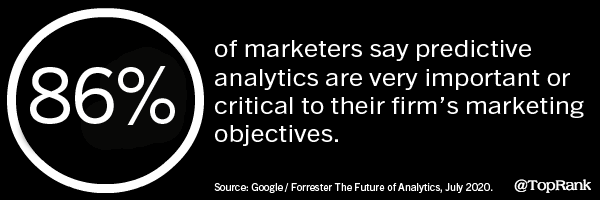
     

    2020 September 25 Statistics ImageGoogle Combines Custom Affinity and Custom Intent Into Custom Audiences
    Google has rolled out changes giving advertisers new Google Ad audience features across display, YouTube and discovery campaigns, refining and combining previously separate audience intent and affinity tools, the search giant recently announced. Search Engine Journal

    LinkedIn launches Stories, plus Zoom, BlueJeans and Teams video integrations as part of wider redesign
    LinkedIn (client) has rolled out its ephemeral video and photo LinkedIn Stories feature, expanded platform search functionality, and video chat for direct messaging — three of an array of new additions of interest to digital marketers, the firm recently announced. TechCrunch


    New open source robots.txt projects
    Google has released a specification testing tool for websites seeking to adhere to its Robots Exclusion Protocol, along with a parsing and matching utility for improved robots.txt web crawler indexing information, the search film recently announced. Google Webmaster Central Blog


    What Should B2B Vendor Websites Focus on as the Pandemic Affects Purchase Behavior?
    68 percent of B2B buyers say that their purchase cycles have lengthened since 2019, with the most common buying journeys lasting between one and six months, while 53 percent consider web search a top research method, followed by 41 percent who consider vendor websites a top evaluation method, according to recently-released data. MarketingCharts


    ON THE LIGHTER SIDE:
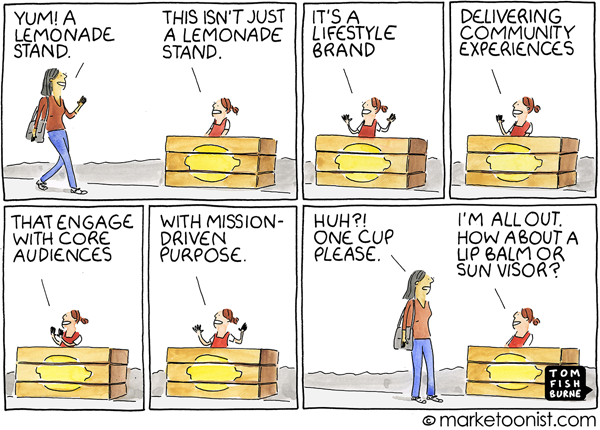
     

    2020 September 25 Marketoonist ComicA lighthearted look at “lifestyle brands” by Marketoonist Tom Fishburne — Marketoonist
    Overwatered Houseplants Hoping Woman Goes Back to Work Soon — The Hard Times

    TOPRANK MARKETING & CLIENTS IN THE NEWS:


    • Lee Odden — Stop Telling The Same Old Story — Mark Armstrong
    • Nick Nelson — 10 Tips for Changing the Way You Think About Your Small Business — Small Business Trends
    • TopRank Marketing — Why Convenience Is Essential — Forbes

    Have you found your own key marketing stories from the past week of news? Please let us know in the comments below.


    Thank you for taking the time to join us for the weekly B2B marketing industry news, and we hope that you will return again next Friday for another look at the most relevant B2B and digital marketing industry news. In the meantime, you can follow us at @toprank on Twitter for even more timely daily news.


    The post B2B Marketing News: Rising B2B Ad Spend, Enterprise Chatbot Usage Doubles, B2B’s Purpose Gap, & New Tools From Google & Facebook appeared first on Online Marketing Blog – TopRank®.

     

  • 5 Ways B2B Marketers Can Boost Productivity and Focus

    5 Ways B2B Marketers Can Boost Productivity and Focus

    Across every industry, profession, and discipline, work productivity is in peril.


    How could it not be? Outside distractions have mounted over the course of the year, from a global pandemic to rampant social unrest to a headline-hijacking presidential election, all in the midst of economic turmoil. Through it all, many of us have been acclimating to a remote work setting that upends our established workflows and routines.


    Frankly, we all deserve a pat on the back for being able to stay focused on work at all. So go ahead and give yourself one. But with plenty left to accomplish here in 2020, there’s little time to sit back and take a beat.


    Marketing is a field that’s especially susceptible to negative productivity impacts at a time like this. We’re scrambling to adapt to changing circumstances for our companies, clients, and strategies. We’re rewriting best practices on the fly. And in a job where creativity is often a driving force, we’re trying to keep our minds clear and energized enough to produce unique and high-quality content.


    If you find yourself looking for new ways to power up your team’s productivity (or your own) and get more done each day, here are a few suggestions that might help.


    Boosting B2B Marketing Productivity

    Based on my own experiences and some tips shared by others around the web, here are five techniques that are working when it comes to finding your groove and producing great work in tough times.


    1 — Find and Preserve Your Productivity Pockets


    Right now, each day can feel like a constant barrage of forces beckoning us away from the work we are trying to get done. Setting aside everything happening in the outside world, there are the things going on in your own space — maybe kids at home from school, or increased familial commitments, or a roommate who’s sharing an “office” (living room) with you.


    As I wrote when sharing my own experiences as a content marketer in the pandemic, I believe it’s essential to carve out “productivity pockets” — dedicated periods of time where you can completely tune into your work, uninterrupted. Use this pocket to tackle your most intensive tasks.


    It may be that your circumstances aren’t conducive to routinely scheduling this productivity pocket during standard work hours. In these cases, aim to create asynchronous structures that enable active collaboration with your coworkers, even if it’s not simultaneous.


    [bctt tweet=”“It’s essential to carve out ‘productivity pockets’ — dedicated periods of time where you can completely tune into your work, uninterrupted. Use this pocket to tackle your most intensive tasks.” — Nick Nelson @NickNelsonMN” username=”toprank”]


    2— Scrutinize the Purpose Behind Meetings and Video Calls


    At Digital Summit MPLS 2019, Workfront’s Mike Riding shared marketing productivity tips and noted that almost two-thirds of marketers point to meetings as the No. 1 barrier that gets in the way of their work. One year later, the environment has changed but that underlying issue has not; if anything, it’s magnified.

    Zoom fatigue is real, y’all.


    Riding listed five reasons why meetings exist:


    1. Give information
    2. Get information
    3. Develop ideas
    4. Make decisions
    5. Create warm, magical human contact

    I would argue that in many cases, only the last one requires an actual meeting (and while the warmth and magic may feel a bit more artificial through a computer screen, they are still plenty valuable). Now more than ever, his recommendations for managing meeting overload are worth heeding:


    • Shave meeting times from 60 minutes to 30 minutes when possible.
    • Decline meetings that don’t have a set agenda.
    • Stack meetings back-to-back so as to minimize unproductive gaps in between.
    • And, as suggested above, block out time for your real work that is off-limits for scheduling meetings.

    3— Consume New and Unfamiliar Content


    Yes, it’s worthwhile to keep an eye on what your peers in the B2B marketing world are doing to stay informed and inspired. But I would also advise moving outside of your typical lane or comfort zone. Look into successful examples of B2C marketing campaigns to see how brands are connecting with their customers in empathetic, humanized ways. Watch a show or movie on Netflix that is beyond your usual genre mix. Play a story-driven video game. Read a new book.


    Sameness, silos, and unrelenting routines can be destructive for creativity and productivity. As we like to say around here … Break free!


    4— Unplug During the Weekend


    Just as it’s important to have dedicated and uninterrupted work time, it is equally important to have dedicated and uninterrupted non-work time. The nature of our current situation is that work/life balance can be exceedingly difficult to maintain. If you can, try to keep the weekends to yourself.


    This doesn’t mean you need to lay around and do nothing all day on Saturday and Sunday. In a recent post at Forbes on developing weekend habits to boost happiness and productivitySyed Balkhi offers up ideas like going on solo “dates” and conducting weekly personal check-ins. The idea is to occupy yourself with enjoyable and invigorating activities, so you can return to the grind on Monday morning feeling refreshed and motivated.


    Bottom line? It’s tough to be professionally productive if we aren’t personally content and fulfilled.


    5— Manage Attention, Not Time


    We recently helped our clients at monday.com put together a collection of tips on maximizing creative team output from a varied field of influential experts. All of the insights are worth perusing for those interested in the subject at hand, as is the accompanying guide, 7 Habits of Highly Productive Marketing and Design Teams. One concept that was raised multiple times in these contributions was a shift in mindset: from time management to attention management.


    “The biggest challenge for getting important work done is not that we don’t have enough time. It’s that we have too many distractions,” said author and speaker Maura Nevel Thomas. “This is especially true for creative professionals who need to maximize their imagination, innovation, and inspiration. Instead of time management, focus on attention management.”


    “One often-undervalued component of this is daydreaming,” she added, “which is when new ideas and insights form — a necessity for creative professionals.”


    This ties back to the first recommendation above. You may very well produce more (and better) output during the one hour in the evening where you can fully focus and commit yourself to the work, as opposed to three hours during the day where you’re being continually pulled away by family, emails, chat messages, and meetings.


    Find Your Edge and Finish Strong in 2020

    Talent, tactics, technologies … they all contribute to successful results for B2B marketing organizations. But heightened productivity is that one difference-making intangible that can really set apart high-performing teams.


    Finding and maintaining a strong level of productivity may require different mindsets and techniques than it did a year ago. Identify habits and routines that work for you and your teammates, get locked in, and produce your best work for the rest of the year and beyond.


    Want more guidance on doing more with less? Uncover 5 Time-Saving Tips to Overclock Your B2B Marketing Efficiency from our own Lane Ellis.


    The post 5 Ways B2B Marketers Can Boost Productivity and Focus appeared first on Online Marketing Blog – TopRank®.


  • How to Optimize Original B2B Research Content For Credibility and Impact

    How to Optimize Original B2B Research Content For Credibility and Impact

    For many in the B2B marketing world, original research provides an effective way to build thought leadership and drive content for owned and earned media.

    Unfortunately, many research reports from B2B companies are dry, uninspired and focus solely on pontifications from the brand point of view. Such unremarkable content isn’t helping customers, especially if they never see it due to information overload or they don’t trust it.

    “With more information, options and people involved in a buying process, buyers are paralyzed when trying to move forward.” Gartner

    Fortunately, there’s a better way.

    More often than not, B2B research reports have marketing objectives focused on building brand thought leadership, attracting new names for nurturing and to serve as a resource for sales. Since most B2B brands don’t have the credibility and distribution to reach their marketing goals on their own with such reports, they rely on advertising and PR to attract attention.

    Ads and PR are fine complements to content. But they’re even more effective if that content delivers an experience that is includes built-in credibility and distribution to the the audiences that are probably ignoring most marketing and advertising.

    How can you optimize research report content to deliver this kind of experience?

    Brands that co-create experiential content with relevant experts and influencers can build industry confidence, grow brand trust, create a more effective digital customer experience and drive business growth.

    What does that kind of research report collaboration content process look like?

    B2B marketers have included quotes from industry experts in their reports for many years – but most do not. However there are many more ways to engage with credible voices that have the trust and attention of the audience you’re after.

    For example, you might partner with a mix of industry experts, influential customers and people who work at brands that represent your ideal clients to add perspective to original research.  Adding that expertise isn’t enough. The content itself should be packaged as an experience. Whether it’s interactive or just well-designed, research content doesn’t have to be boring.

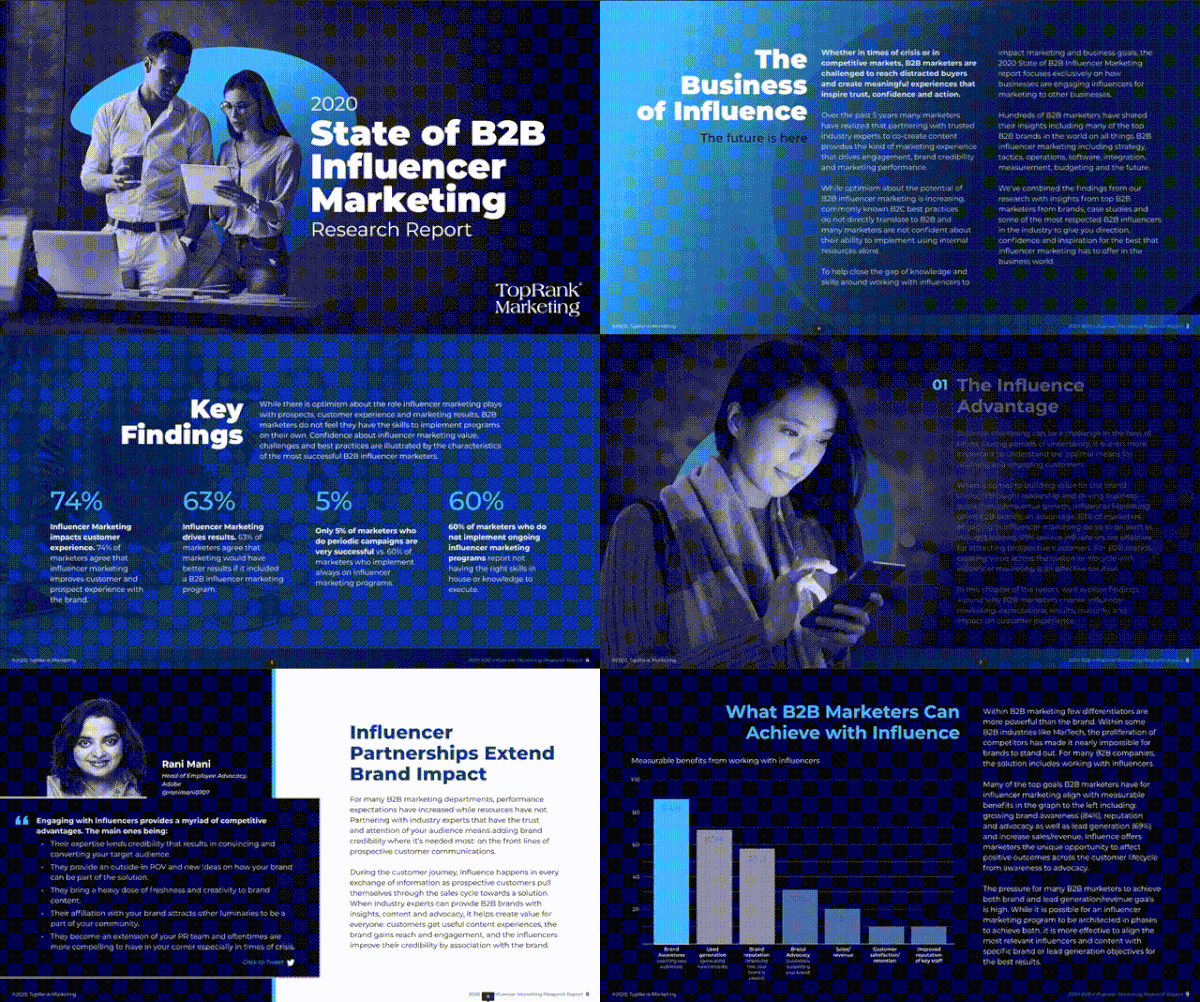
    I think our latest research report on B2B Influencer Marketing is a perfect example of this.

    B2B Influencer Marketing Report Preview

    We partnered with 20+ B2B brand marketing executives and influencers to provide perspective on the key issues surfaced by the research. Instead of the report being authored by me (with some help from my team), there are contributions from influential B2B brands that include:

    • Dell
    • SAP
    • LinkedIn
    • AT&T Business

    There are also insights provided by some of the top B2B influencers in the industry including:

    • Brian Solis
    • Ann Handley
    • Tamara McCleary
    • Mark Schaefer

    Pulling together credible voices to join your own in an experiential piece of content is far more likely to be shared by contributors and your community, looked at by industry media and potential customers, and actually used by your sales people in their communications with prospects.

    Such a rich content experience can deliver far more value than a one time campaign, especially if you roll it out in phases.

    For example, you might extend the value of original research by implementing a phased content approach. For example:

    The first phase might be the co-creation and publishing of the original research with industry experts and clients.  Promotion would focus mostly on owned channels, organic social and private channels like email, forums, etc.

    The second phase could emphasize earned media and extensions of the narratives highlighted by the research. Names captured can be nurtured with useful resources that go deeper on the topics and a video interview series with the experts who contributed would feature more in-depth conversations around the key report findings. Online events and some useful tools and more visual versions of the original content could also help with promotion hang time.

    The third phase takes the report content and repurposes it into new formats: explainer videos, a podcast, infographics. An interactive microsite that gives viewers and opportunity to assess themselves against the benchmark data from the research provides an engagement opportunity without substantial investment in new content. The original group of influencers is now expanded to invite more people in those roles to contribute their expertise to content around the report’s narratives.

    What you do specifically for your B2B business is up to you, but publishing original research in white paper format without any 3rd party validation within is simply no longer enough to attract, engage and inspire a meaningful experience or a return on your investment.

    Creating a content experience that is credible and that can rely on distribution by its influential contributors on top of brand channels, PR efforts and ad buys will certainly achieve the expected thought leadership, engagement and demand gen goals more effectively. In the case of our report mentioned above, we hit one of our most important 3rd Quarter goals in just the first 2 weeks because of following this advice.

    Imagine what you could do?

    The post How to Optimize Original B2B Research Content For Credibility and Impact appeared first on Online Marketing Blog – TopRank®.
  • How B2B Marketers Can Get the Most Out of Webinars in 2020

    How B2B Marketers Can Get the Most Out of Webinars in 2020

    There has to be a word for the creeping dread B2B marketers have been feeling this year, preferably something German with a ton of umlauts.


    As we watched events in the spring cancel, postpone, or go virtual, we held out hope that summer would be different. Then July’s events moved out. Now it’s looking like the type of large-scale events B2B marketers depend on will have to wait until 2021… at the earliest.


    But we don’t have to despair! We can close the gap with virtual events. The speaking gig at an industry conference can become a webinar, as can a planned panel discussion or product demonstration. 


    The good news is plenty of people have more spare time than before to watch your webinar.


    The bad news is that everyone who makes webinars has time on their hands, too. So, your webinar has to have a little extra oomph to stand out in the crowd. 

    Here’s how you can level up your webinar creation and promotion.


    How to Get the Most from Your B2B Webinar

    It’s no longer enough to put up a slide deck and talk through bullet points. These tips will help you make a more compelling webinar — and make sure that people attend it.


    Start with Content Research

    No marketer worth their salt would make a blog post without doing content research. Why should your webinar be different? 

    To determine the best subject matter for your webinar, bring all of your research tools to bear:

    • SEO research via SEMRush and Google Analytics
    • Question research via BuzzSumo and AnswerthePublic
    • Prospect feedback from your sales team
    • Competitor content evaluation

    All of these resources will help you home in on the topics that your audience most wants to hear about. Your research might even drive what type of webinar you create: If your audience needs how-to advice, you might do a live demonstration. If they’re looking for thought leadership, you might partner with influencers. Speaking of the latter…


    Reach Out to Influencers

    In case you missed the headline yesterday, B2B Influencer Marketing is kind of a big deal. There’s no greater boost to your credibility (and your potential audience) than adding industry thought leaders to your webinar. 


    Look for people who are influential with your audience — those who are regularly producing content and engaging with anyone who posts a comment. They don’t have to have Taylor Swift-level follower counts to make a difference. They just have to be able to get a relevant audience’s attention and hold it.


    Also, it’s not enough to just have someone appear with you on camera, though — it’s important to ask meaningful questions that will enable a substantive discussion. Keep your content research in mind as you plan the interview.


    Create a Landing Page & Promote

    Give your audience plenty of time to prepare for your webinar. We recommend starting outreach at least two weeks beforehand, and up to a month if you can swing it. 


    Create a short landing page to collect sign-ups — include a few key points you plan to cover, and introduce yourself and your guests. You can promote the landing page via social media — image-led social works well — and blog content that builds anticipation for your topic.


    Don’t forget to include the webinar in your newsletter, and to enlist your influencers to drive pre-registration.


    One great way to promote the webinar, and focus your content at the same time, is to poll your audience via social media. Ask for their thoughts on your topic. Ask what they most want to know about it. Ask what they would like to ask your thought leader guest. These posts can help drive registration while also making sure the content will be more relevant to the audience.


    Change Up the Format

    The Q&A, the panel discussion, the lecture — there are a few tried-and-true formats for webinars. But as the market gets flooded with content, we need to be more creative. For example, what about a working session instead of a discussion, where your panel collaboratively creates something? Or what about spicing up an interview with interstitial, pre-produced video content? 


    You could even host the webinar on a platform like LinkedIn Live (while recording it for later publication, of course) and interact in real time with the audience. Just make sure to have a moderator to help keep the questions flowing smoothly.


    Plan and Practice, But Be Flexible

    It’s always a good idea to run through your entire webinar a few times before you go live. If you’re doing a lecture or presentation format, that means practicing all the content you plan to put across. For a panel discussion or interview, you may not be able to do a full run-through with your influencer, but you can still test the technology you will be using.


    Don’t let your practicing and planning make your presentation too rigid, though. You should be able to follow an interesting conversational thread in your interview, or incorporate an audience comment in your presentation, without the whole thing going off the rails.


    Of course, it’s always going to be tricky to run a live presentation, especially if you or your guests don’t do this type of presenting for a living. It can be challenging to think on your feet, come across as engaging, and keep a conversation focused and interesting to your audience.


    Which is why I’m going to court controversy and say…


    You Don’t Have to Be Live

    As we think about changing up the format and offering a higher-quality experience to the audience, it may be time to let go of the idea that webinars have to be live. 


    After all, editing is the gift that you give to your audience. You wouldn’t write a blog post in real time with a hundred people watching. You wouldn’t record a podcast episode and publish the raw audio. So why not pre-record and edit your webinar?


    It’s true there is an immediacy to a live presentation that would be lost with a pre-recorded one. But the boost in quality for the audience could cover that loss. And you can still have an interactive experience with the audience through chat. You could even play the pre-recorded portion first, then hop on the video stream live for an audience Q&A.


    There’s an enormous gap between the standard slideshow & lecture webinar and the produced, polished video that audiences appreciate most. Pre-recording and editing is one way to start closing that gap. 


    Follow Up with Extra Content

    What should your audience do next after attending the webinar? That’s a question to answer before you take your first registration. Once you have a next step in mind, create a content bundle to send to each registrant after the webinar airs. This bundle could include a normally gated eBook or two, some recommended reading from your blog, or more content from your influencer guests.


    You can also create extra content from the webinar to help fill out your editorial calendar. Use excerpts from your discussion to fuel blog posts. Repurpose the audio as a podcast. Pull the best quotes to use as video posts on social media that drive to a gated version of the recorded webinar. Essentially, it’s about getting the most value possible from your content asset — the same thing you do with eBooks or blogs.


    Webinars Killed the Radio Star

    The pandemic has made webinars a go-to tactic for marketers who are missing out on face-to-face events. But as more marketers get into the webinar game, your content needs to be extraordinarily valuable and extremely well-promoted. If you plan, produce and promote your webinar with the same strategic care that you use for the rest of your content marketing, you’ll bring your audience more value and earn their attention in return.


    Check out our CEO Lee Odden in a recent webinar: Social Media in the Times of Social Distancing.


    The post How B2B Marketers Can Get the Most Out of Webinars in 2020 appeared first on Online Marketing Blog – TopRank®.


  • How To Level Up Marketing Content From B2B Influencers

    How To Level Up Marketing Content From B2B Influencers

    B2B Marketing- Methodology

    Why do you even need a content person for influencer marketing?


    After all, the influencers are providing the content. You just have to collect their pearls of wisdom, make them look pretty in a PDF, and you’re good to go, right?


    I’ll confess, on my first influencer marketing project, I wasn’t quite sure what I was doing there. Over the last few years, however, I’ve come to understand the role that content marketers can play in shaping influencer content.


    It’s the content lead’s job to shape the conversation with the influencer. We have to ask the right questions, and provide a structure and framework to elicit thoughtful, detailed responses.


    There are a few extraordinary thought leaders who will dash off a thousand-word, amazingly insightful response to the vaguest prompt. But most folks — even those who write for a living — need more to go on than “What is the biggest problem facing our industry?”


    The influencers you’re talking to have spent hours of time and effort learning about their subject matter, building an audience with powerful, useful content that provokes action. When you email that list of questions, or sit down for an interview, make sure you don’t leave any insight untapped.


    Here’s how we at TopRank are evolving our influencer approach to get at that next-level content.


    How to Unleash Your Influencer Content

    So you’ve identified the true influencers to your target audience, you’ve developed relationships, and now you’re ready to co-create content together. Before you start, make sure you lay the groundwork for a productive Q&A.


    Ask More Specific Questions

    Influencers will take their cue on how to answer based on how you ask the question.  If you start with a mile-high question like, “What challenges should leaders be aware of right now?”, you’re likely to get a high-level response, something vague and oracular. That’s not because the interviewee can’t get into specifics — it’s because you didn’t invite them to.


    A better approach is to find out the biggest challenges that your industry is facing, pick one, and ask what we should be doing about it: “The latest Gartner report says that 75% of managers don’t have enough donuts in the breakroom. What are the options for HR leaders to fix this problem? What do you recommend?”


    Limit the scope of your question, and you invite the influencer to give a more detailed response.


    [bctt tweet=”Limit the scope of your question, and you invite the influencer to give a more detailed response. @NiteWrites on #InfluencerMarketing interviews.” username=”toprank”]


    Don’t Ask Questions Everyone Knows the Answer To

    It’s easy to fall into this particular trap. You offer the influencer softball questions that have a broad consensus for the answer, they agree with the consensus, everyone goes home happy. 


    I’m talking about questions like, “Do you think automation is, on the whole, a good thing or bad thing?”  And they answer, “Well, it’s a different thing. It will cost some people their jobs, but for others it will make their jobs less repetitive and more meaningful, and that will open up new opportunities to innovate.” 


    The above is perfectly acceptable, content-wise, but it’s a waste of your influencer’s time and talent. You don’t hire LeBron James to dunk on a 4-foot rim. Ask questions you don’t know the answer to, questions that your industry is struggling with, questions that cry out for guidance!


    [bctt tweet=”You don’t hire LeBron James to dunk on a 4-foot rim. Ask questions you don’t know the answer to, questions that your industry is struggling with, questions that cry out for guidance! @NiteWrites on #InfluencerMarketing” username=”toprank”]


    And, of course, give your influencer plenty of time to think about these questions and formulate thoughtful responses.


    Let Your Audience Ask the Questions

    One of the best ways to get at these more detailed, more challenging questions is to see what questions your audience is actually asking. There are two ways to go about soliciting audience questions for an influencer.


    The first is the direct one: Ask on your social media channels and your email newsletter. For example, a Twitter post could say, “If you could ask Lee Odden one question about influencer marketing, what would it be? Answer with #AskLeeO.” Collect the most pertinent questions and let them guide the interview.


    The second way to let your audience ask the questions is to do some keyword research. The topics your audience is searching for are the ones they need answers on. If they had the answers, they wouldn’t be searching! But don’t stop at the highest-volume keywords; those are likely to be too general. Dig into the long-tails on a tool like SEMrush to get at the burning questions.


    Ask for Stories

    Many of the influencers we work with are consultants, keynote speakers, or have been executives at multiple companies. These folks have a ton of practical experience — we just have to ask them to draw on it.


    Instead of asking, “What do you think are the three biggest challenges,” ask, “What problems are your clients coming to you with?” Or, even better, “Have you had clients with a similar problem? Tell me about how you advised them, what they did to solve it, and what success looks like.”


    Asking for stories like this gives your influencer a chance to demonstrate their expertise in action, and offers your audience a more grounded, relatable look at your topic.


    Power Up Your B2B Influencer Content

    Content planning is a crucial part of influencer marketing. It’s the content team’s job to ask questions that meet audience demand, inspire thoughtful contemplation, and make full use of the influencer’s experience and insight. Asking the right questions is the difference between good and great influencer content.


    If you want to level up your B2B influencer marketing content, make your questions specific, skip telling the audience what they already know, and ask for unique stories that only your influencer could tell.


    Want to power up your influencer marketing even more? Check out The B2B Marketing Force Multiplier: Integrated SEO and Influencer Marketing.


    The post How To Level Up Marketing Content From B2B Influencers appeared first on Online Marketing Blog – TopRank®.

     

    Source